Why Do Humanoid Robot Motors Require "Custom Non-Standard" Laminations?
Generic laminations can no longer meet the pursuit of ultimate performance in humanoid robots. Our core advantage lies in our full-case customization capabilities, providing one-stop services from mold development to final product delivery, perfectly aligned with global designers' drawings and parameters.
Our Customization Capabilities:
| Application Scenario | Core Customization Pain Points | Our Solutions |
|---|---|---|
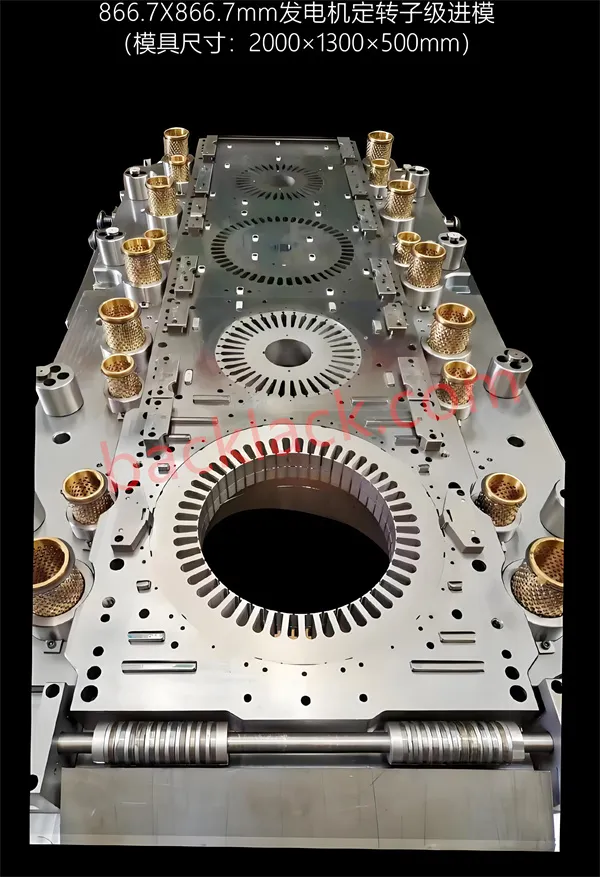
| Humanoid Robot Joint Motors | Extreme miniaturization, high torque density | Utilizing ultra-thin JFE 10JNEX900 high-silicon steel, precision progressive die stamping to ensure high stacking factors and ultra-low core loss. |
| Precision Servo Drives | Fast response speed, low core loss | Opting for high-grade silicon steel like 20JNEH1200, optimizing slot fill ratio and magnetic circuit design to reduce high-frequency eddy current losses. |
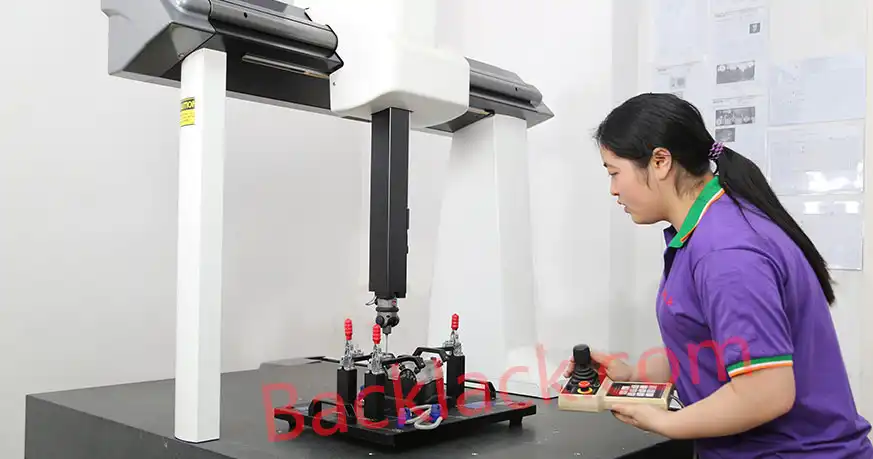
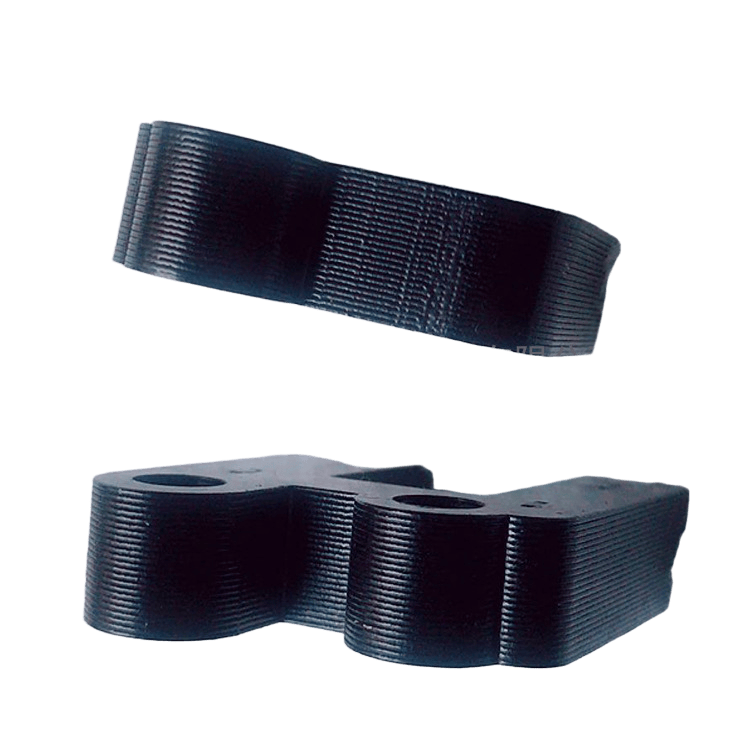
| Micro Special Motors | Complex structures, strict tolerances | Tolerances strictly controlled at the ±0.01mm level, supporting various stacking processes including self-bonding, riveting, and welding. |
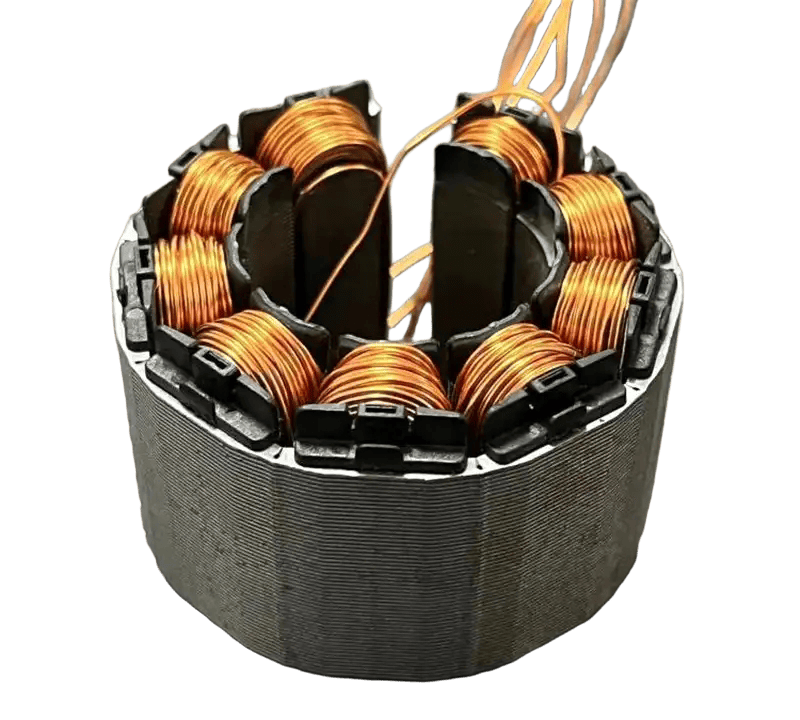
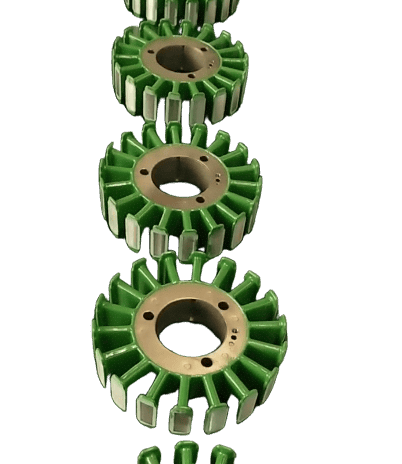
Factory Perspective: We don't just stamp steel sheets; we manufacture precision magnetic circuit systems. For robot motors, we can handle complex structures with extremely small apertures and narrow slot widths, ensuring the precision of every silicon steel sheet reaches the micron level.
Core Competitiveness of a Chinese Source Factory: Why Choose Us?
As a Chinese factory directly engaging with overseas projects, we leverage the complete local industrial chain to provide value that exceeds global expectations.
-
Top-Tier Material Supply Chain, Breaking Through Performance Bottlenecks
High-end motors cannot exist without top-tier magnetic materials. We maintain close partnerships with leading international steel mills like JFE Japan, ensuring a stable supply and processing capability for cutting-edge materials such as 10JNEX900 (ultra-thin high-silicon steel with over 6.5% silicon content) and 20JNEH1200. With their extremely low core loss and superior magnetic permeability, these materials perfectly adapt to the high-frequency operation needs of humanoid robot joint motors, helping clients achieve leapfrog improvements in motor efficiency.
-
Direct Factory Supply, Ultimate Cost-Effectiveness and Delivery Speed
We own our internal mold workshop and stamping production lines, eliminating intermediaries.
Rapid Prototyping: For overseas R&D projects, we provide fast tooling solutions to shorten R&D cycles.
Cost Advantage: Compared to European, American, and Japanese suppliers, our custom tooling costs and mass production unit prices offer significant advantages, helping buyers reduce overall costs.
Flexible Production: Whether it is small-batch R&D prototyping or large-scale mass production, we can handle it all flexibly.
-
Technical Alignment, Acting as the Designer's "External Brain"
We don't just execute drawings; we provide engineering advice. Our technical team can directly interface with overseas engineers, understanding Western design habits and testing standards. During the mold design phase, we can intervene with DFM (Design for Manufacturing) analysis to optimize structures for easier production without compromising motor performance.
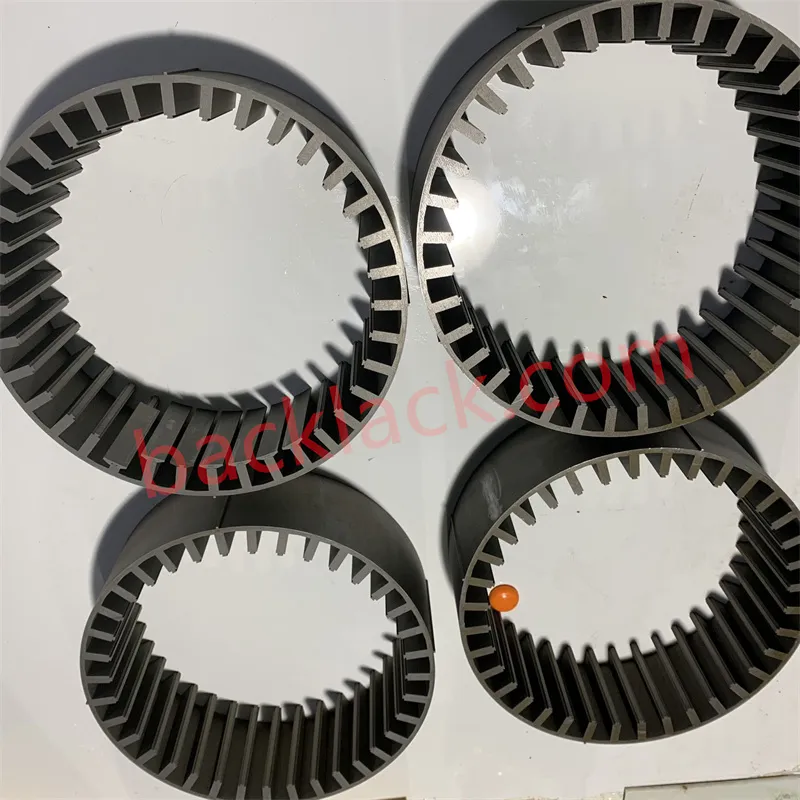
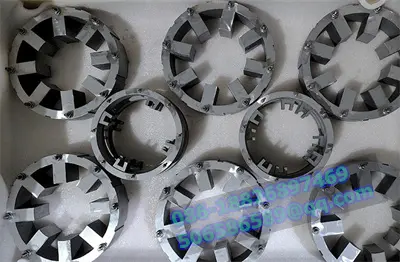
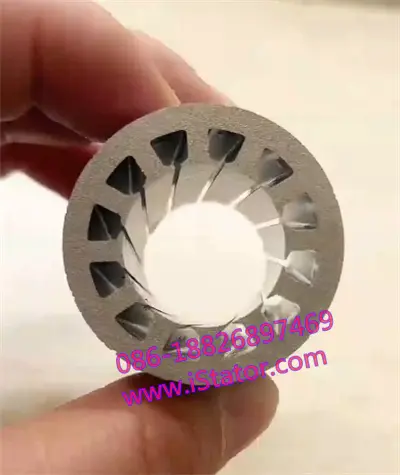
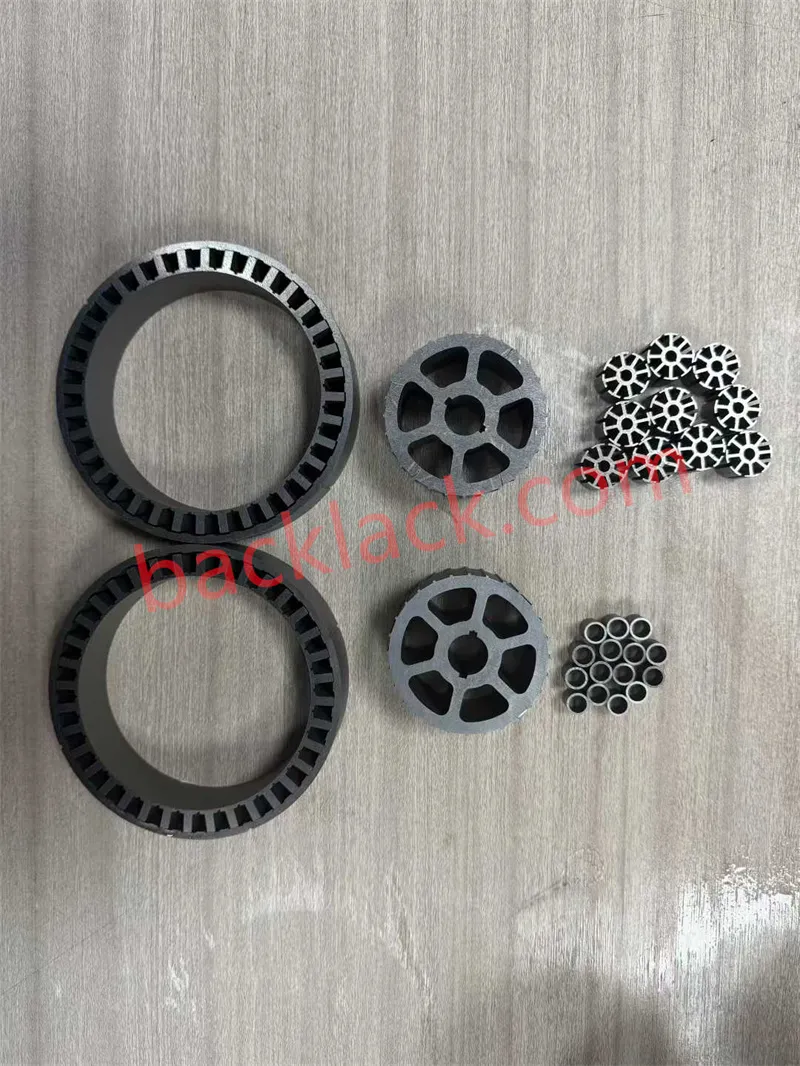
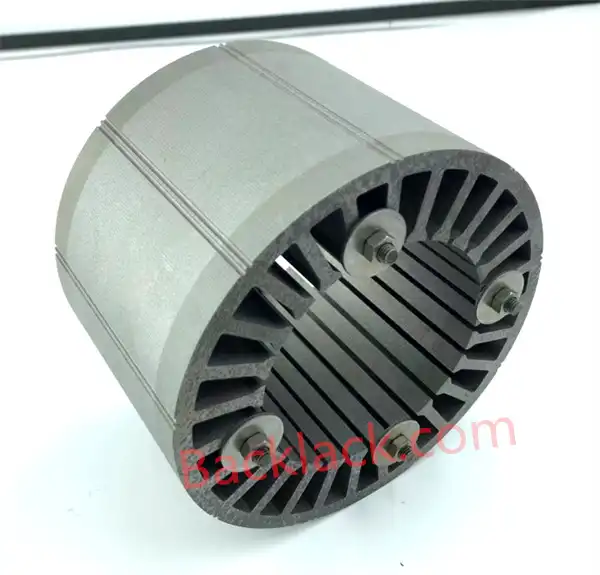
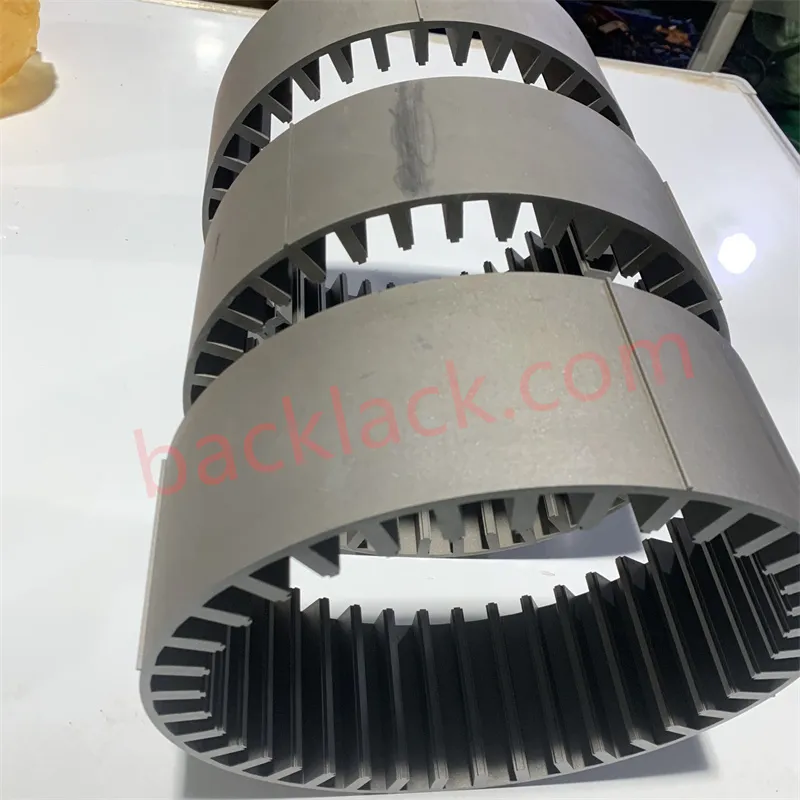
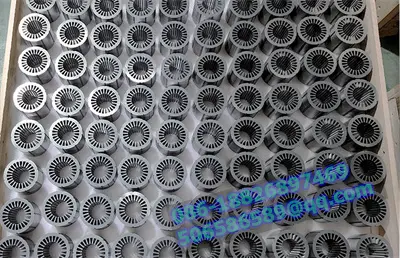
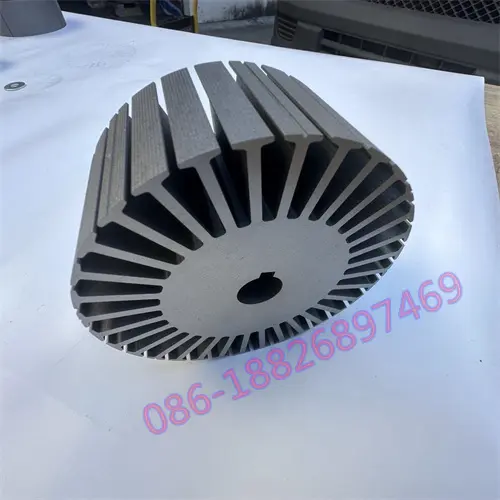
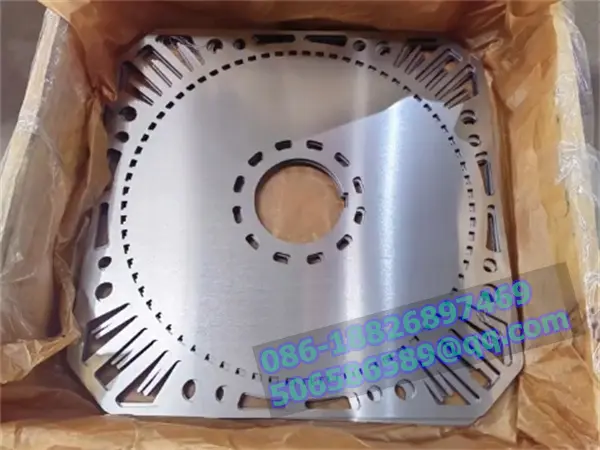
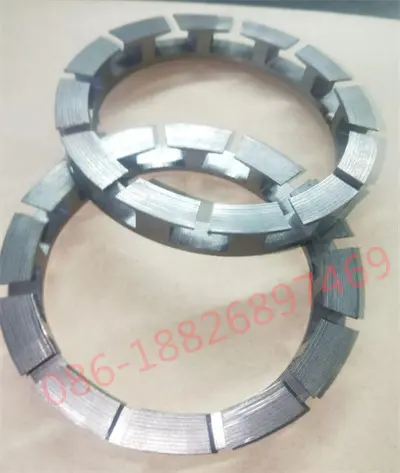
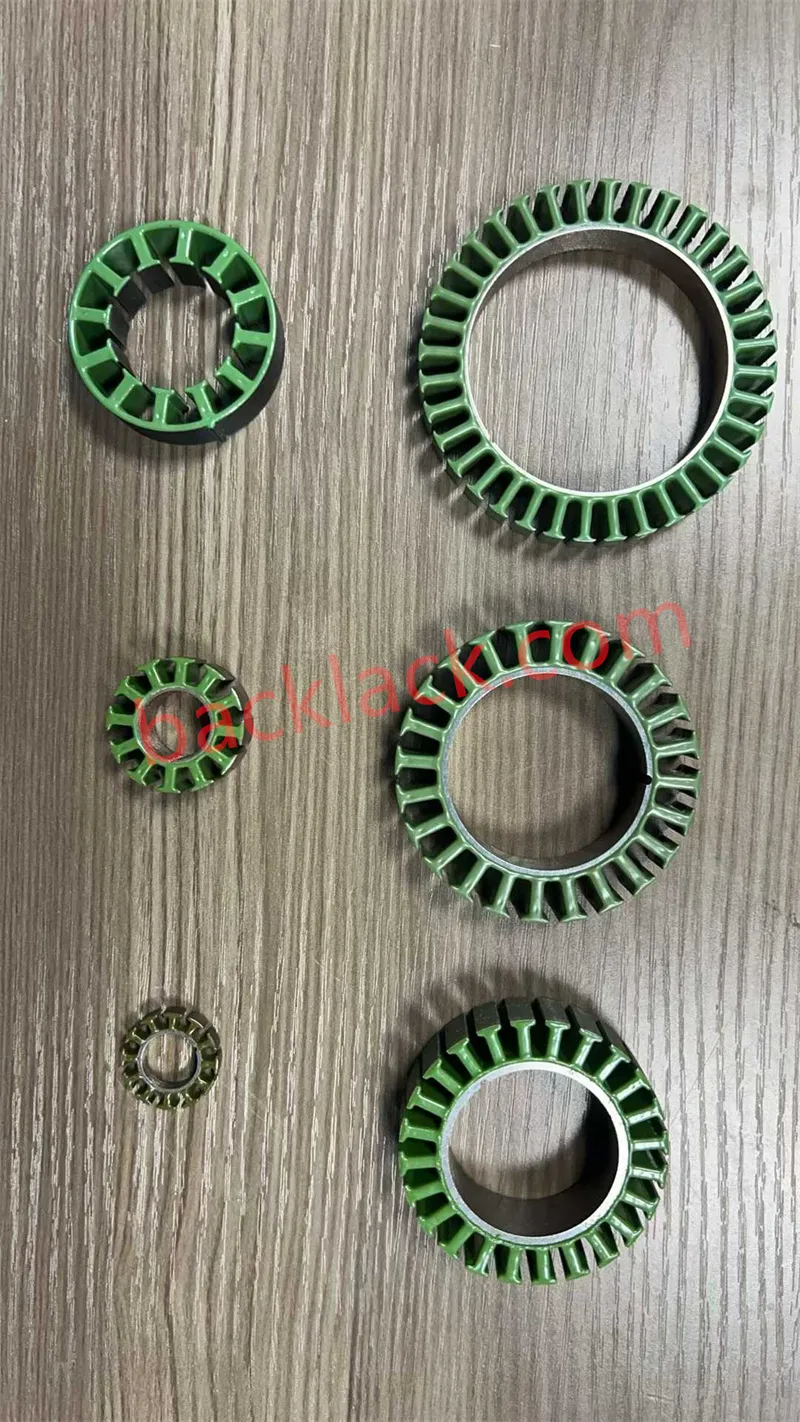
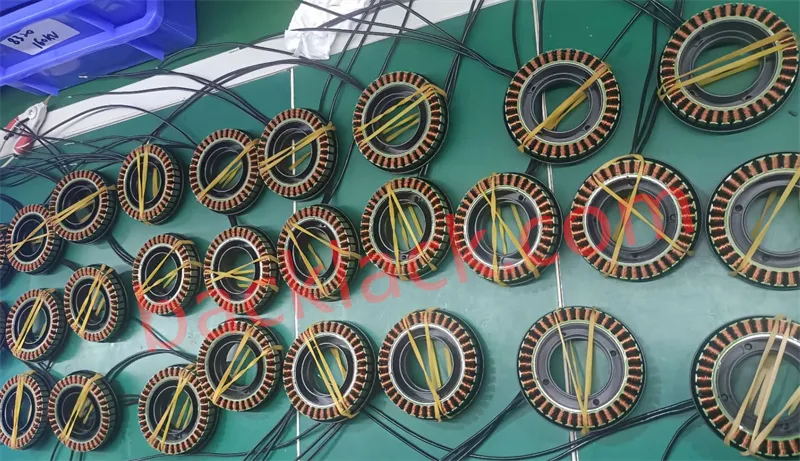
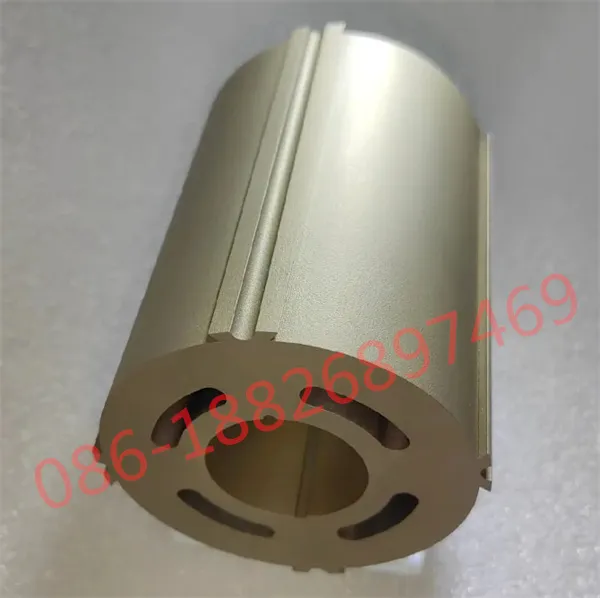
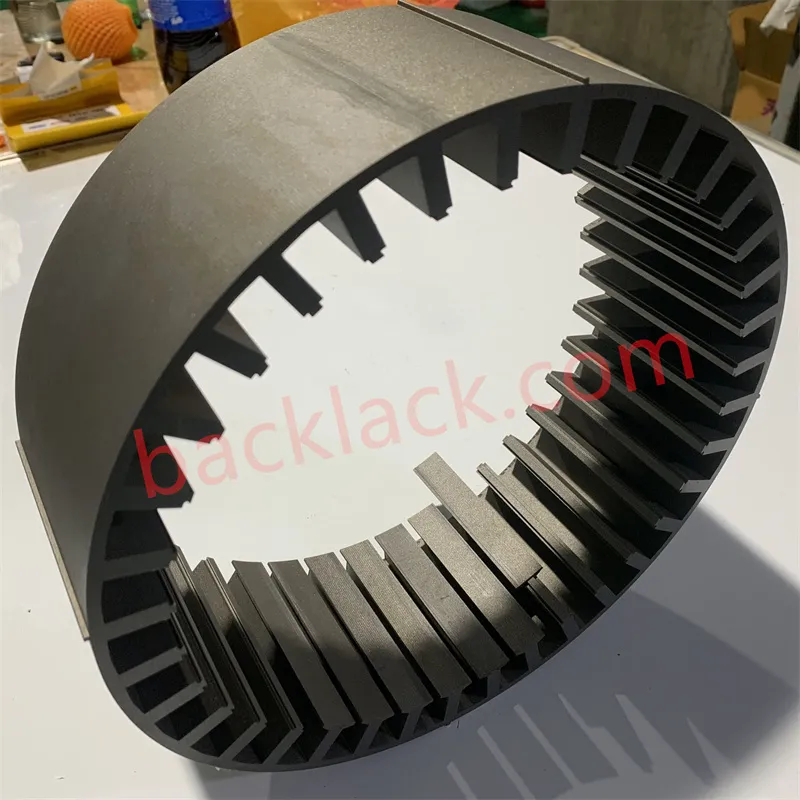
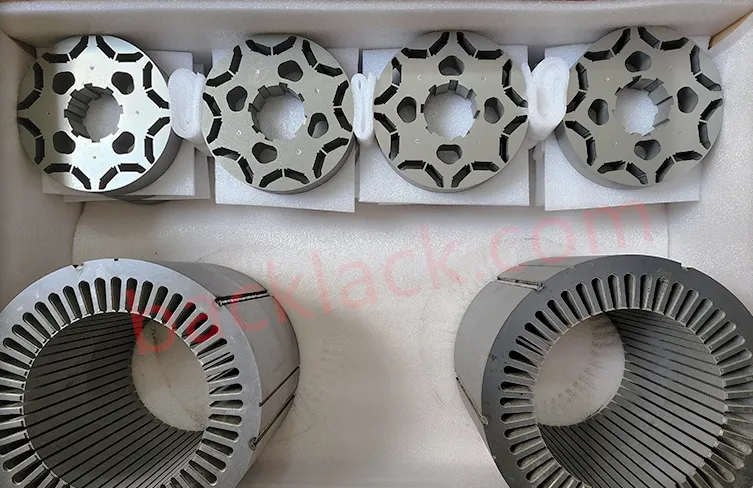
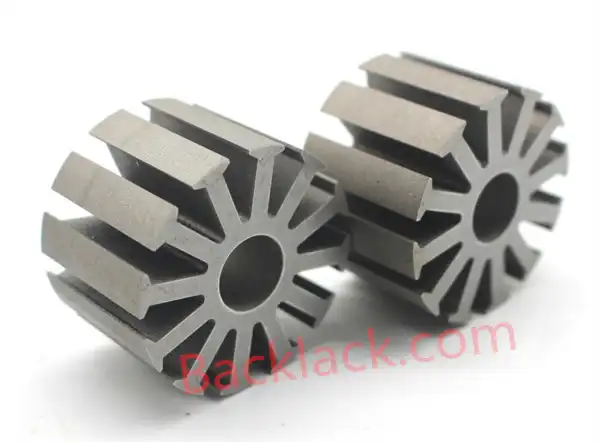
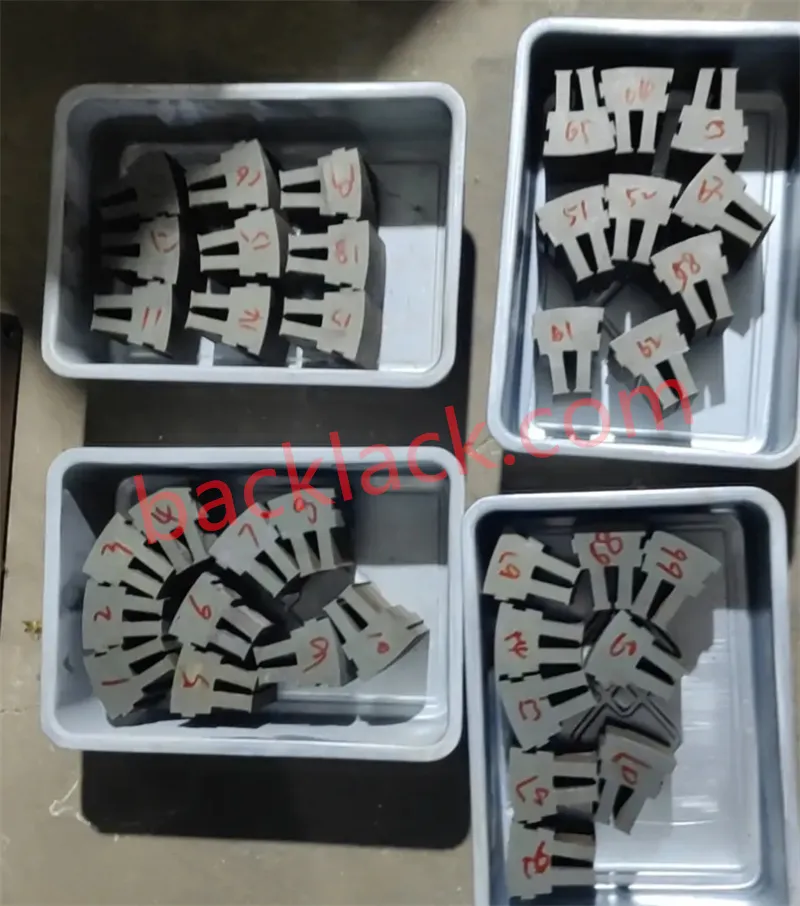
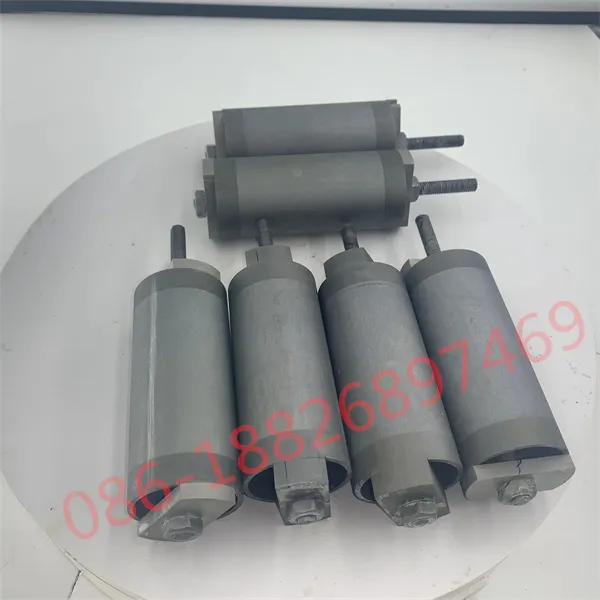
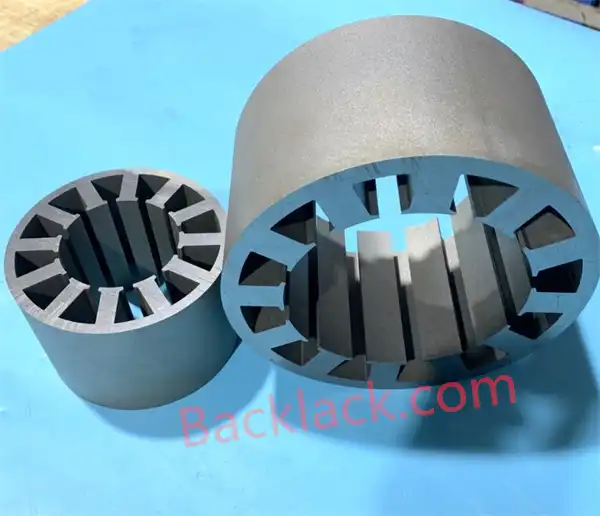
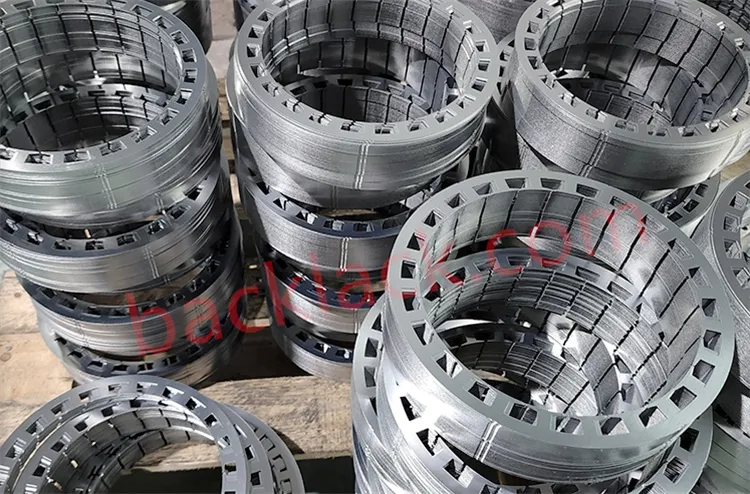
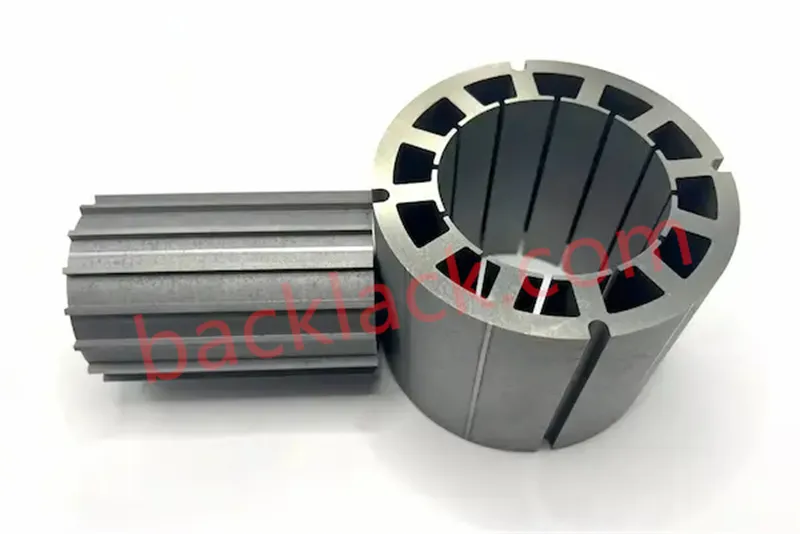
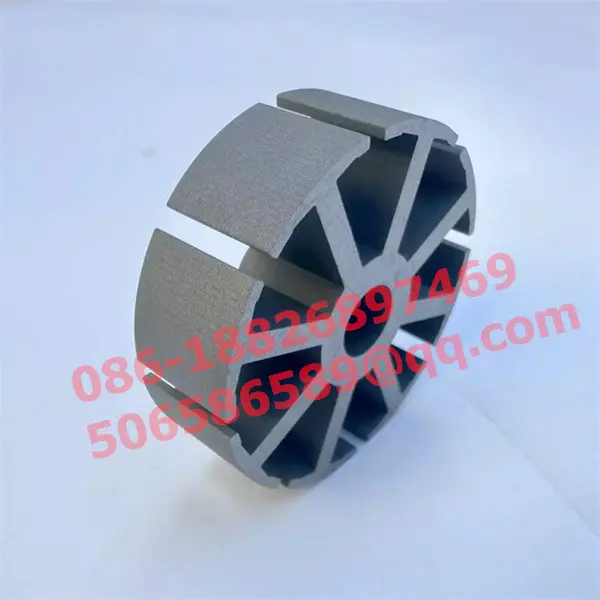
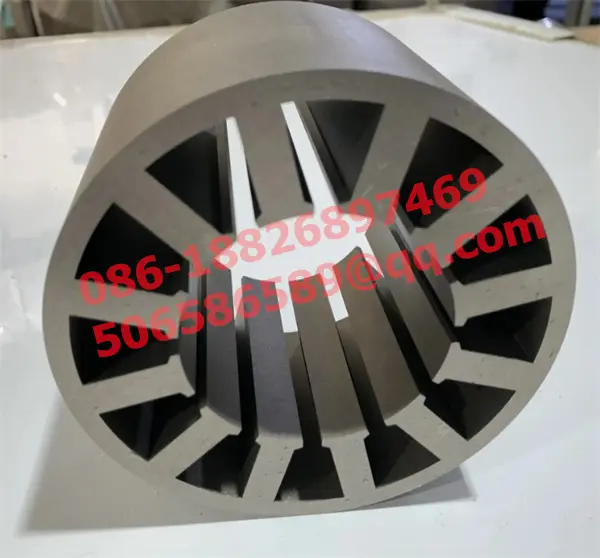
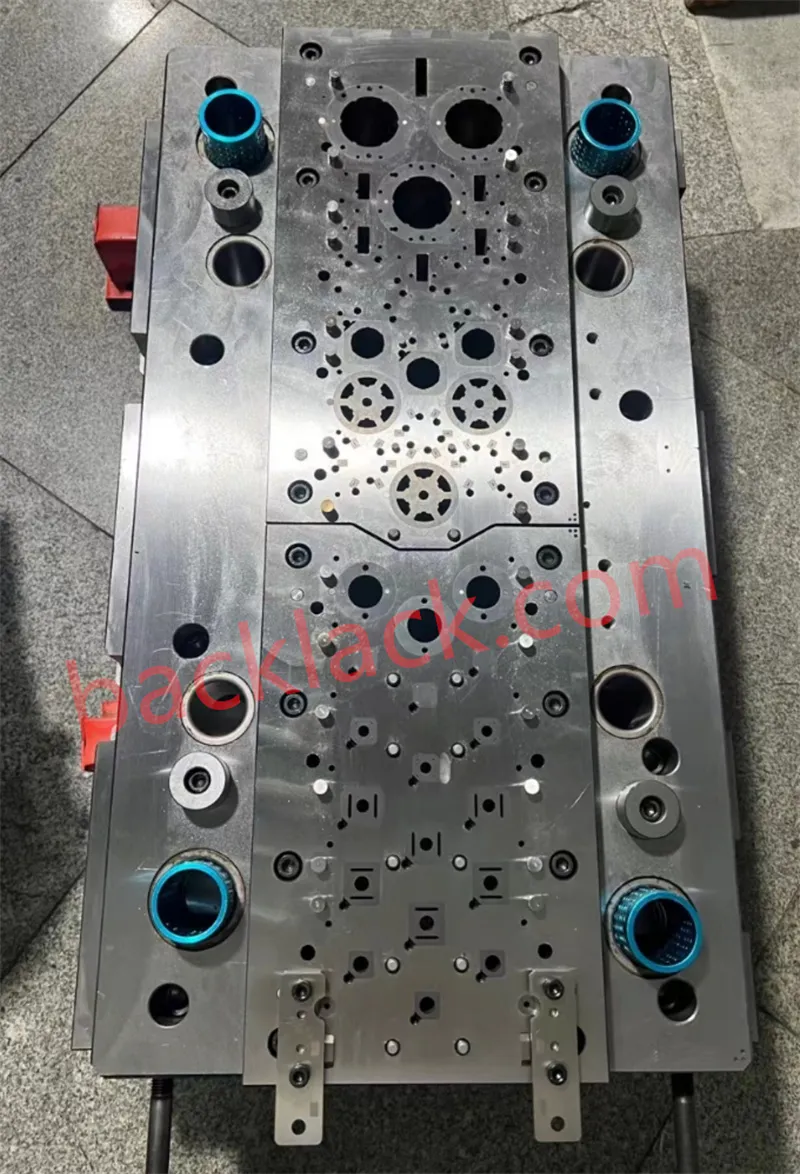
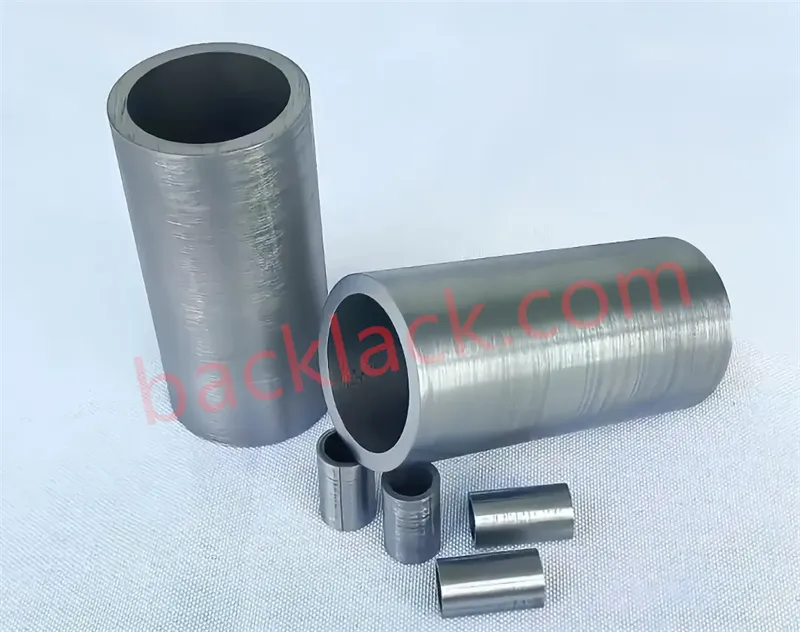
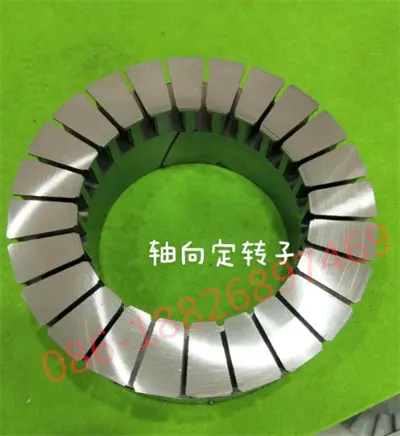
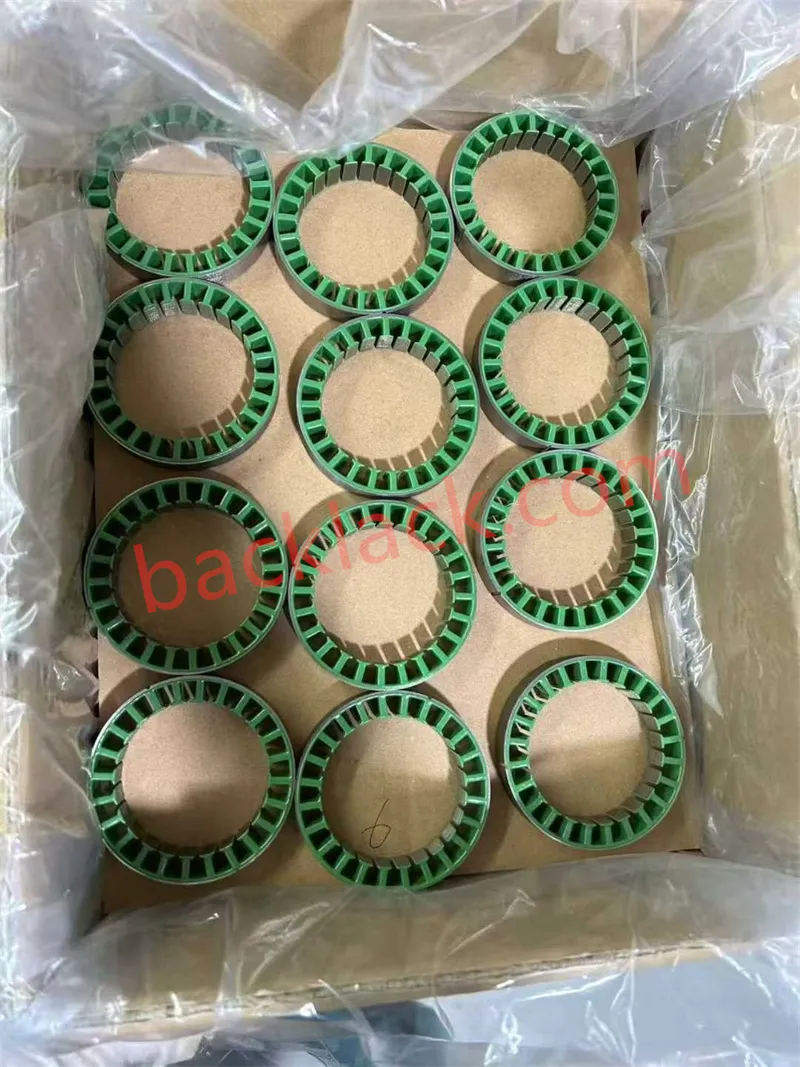
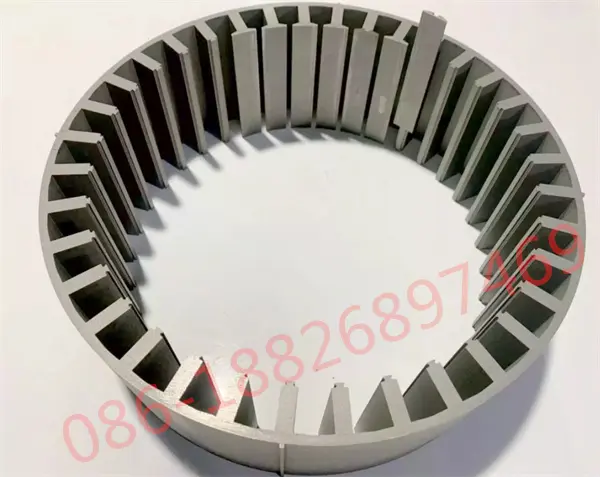
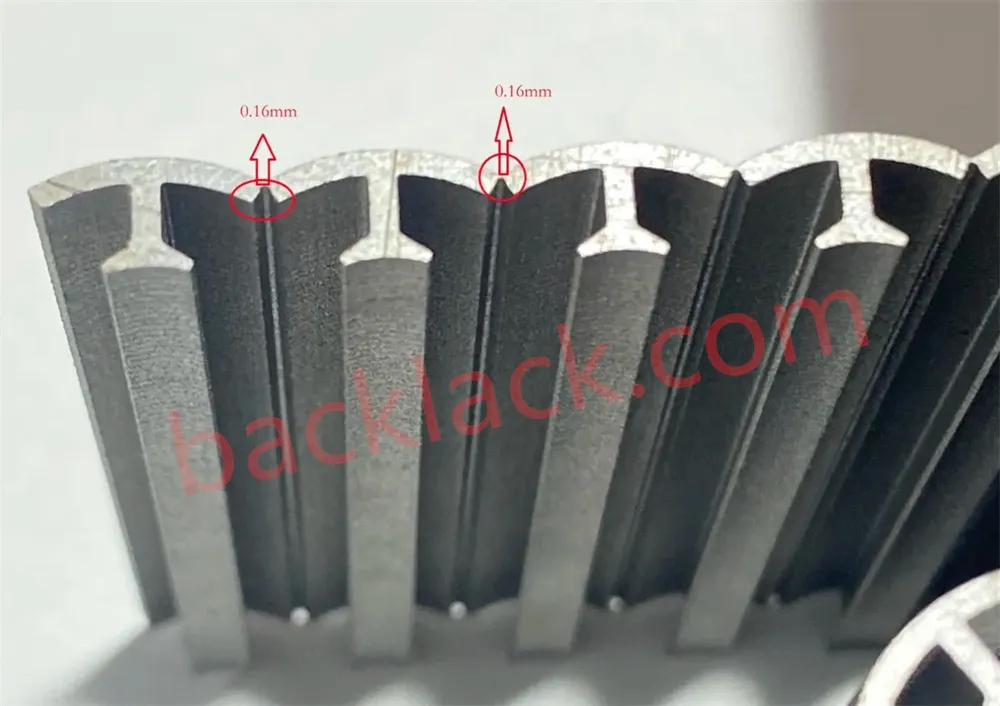
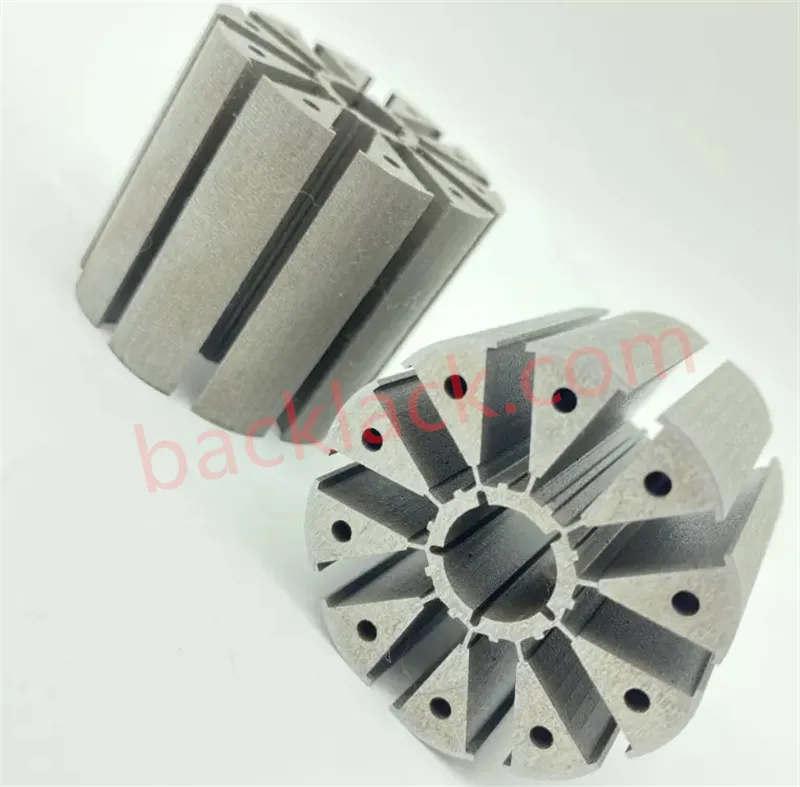
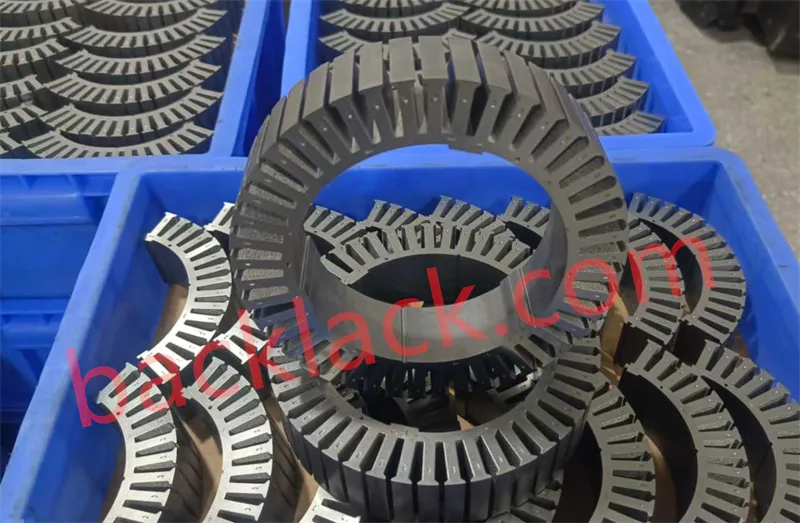
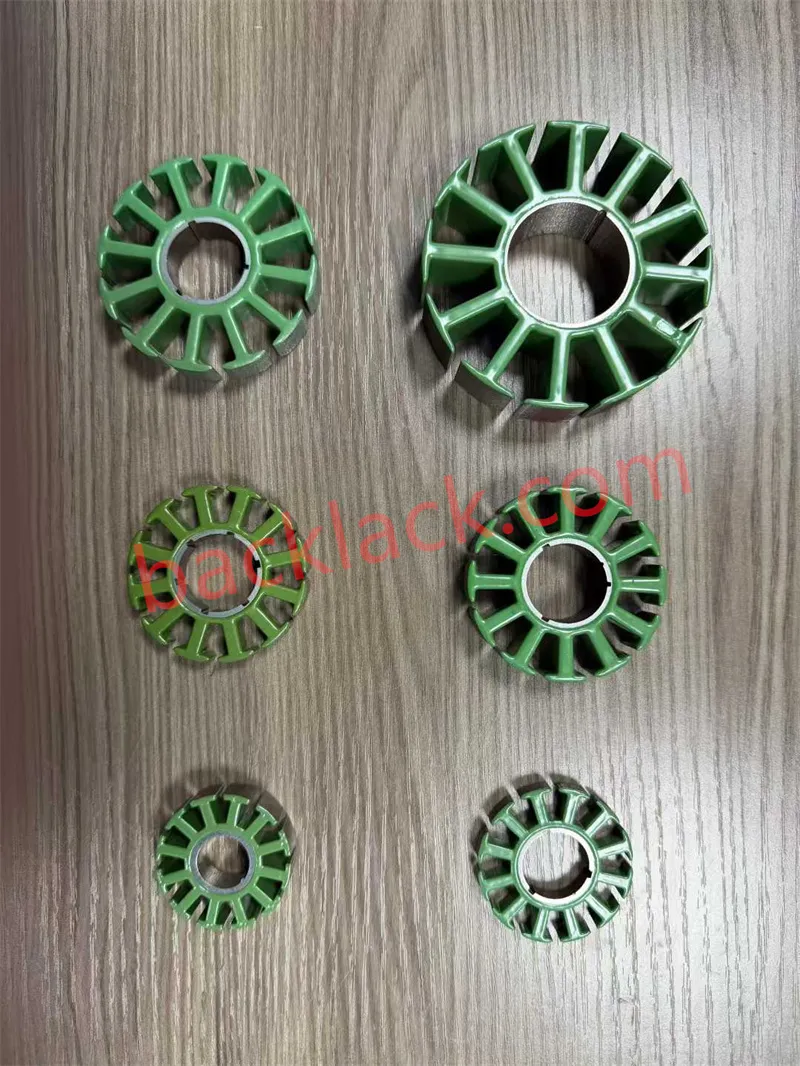
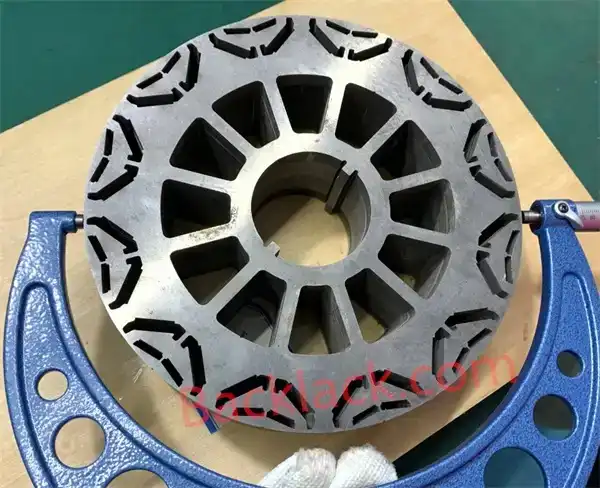
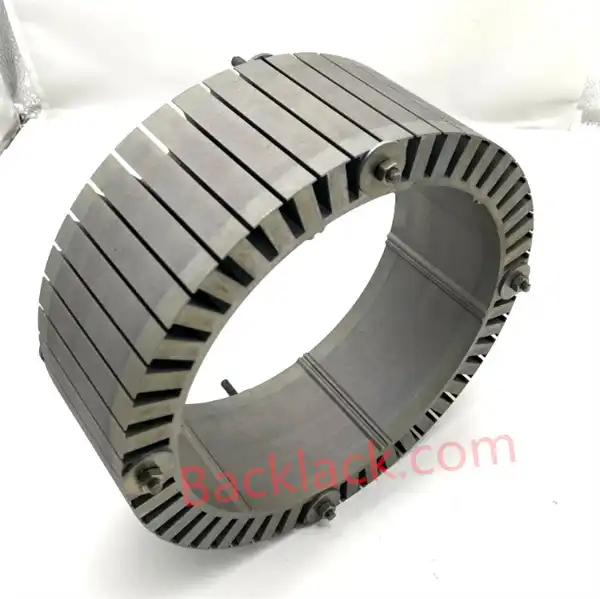
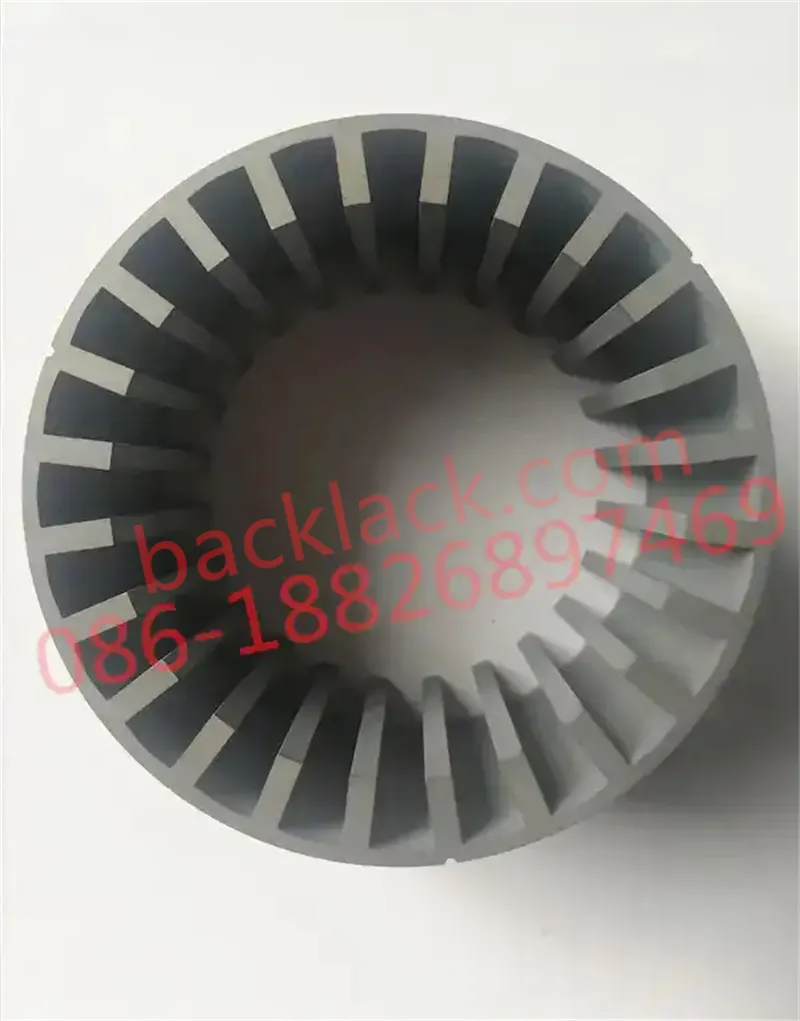
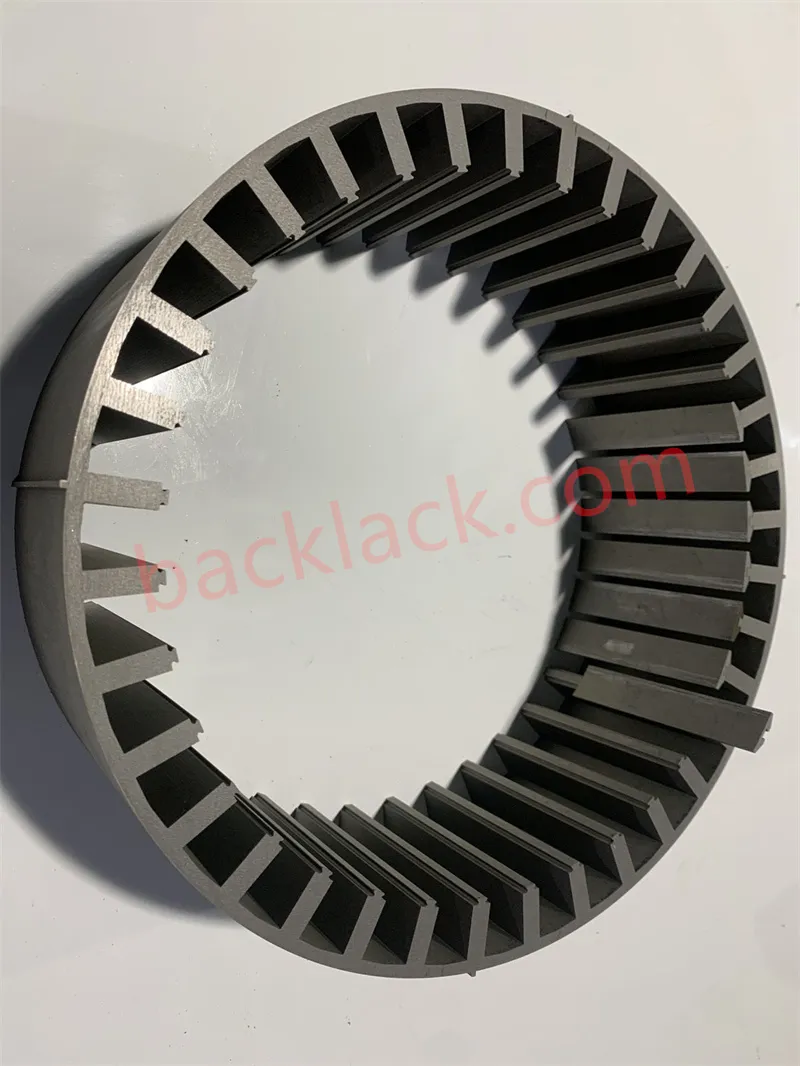
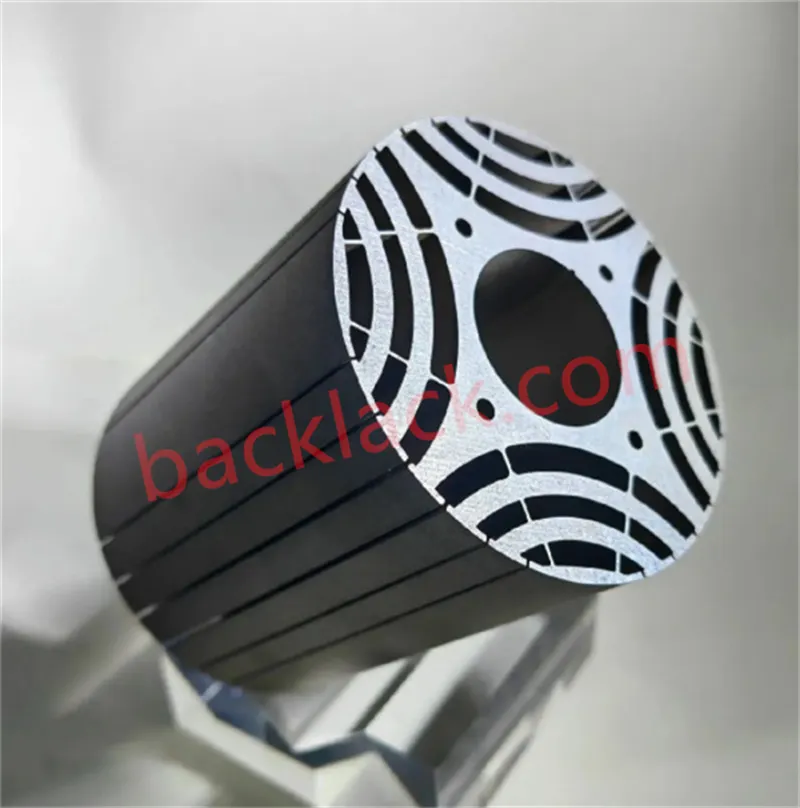
Showcasing Our Manufacturing Capabilities
To give you a more intuitive understanding of our strength, here are our core process parameters for high-end motor projects:
Stamping PrecisionUp to ±0.005mm (for critical mating dimensions).
Material ThicknessPerfectly supports stamping of ultra-thin and conventional silicon steel sheets from 0.1mm to 1.0mm (e.g., 0.1mm/0.2mm ultra-thin specifications).
Stacking Processes:
Self-bonding: Ideal for high-speed automated production; glue-free and high-temperature resistant.
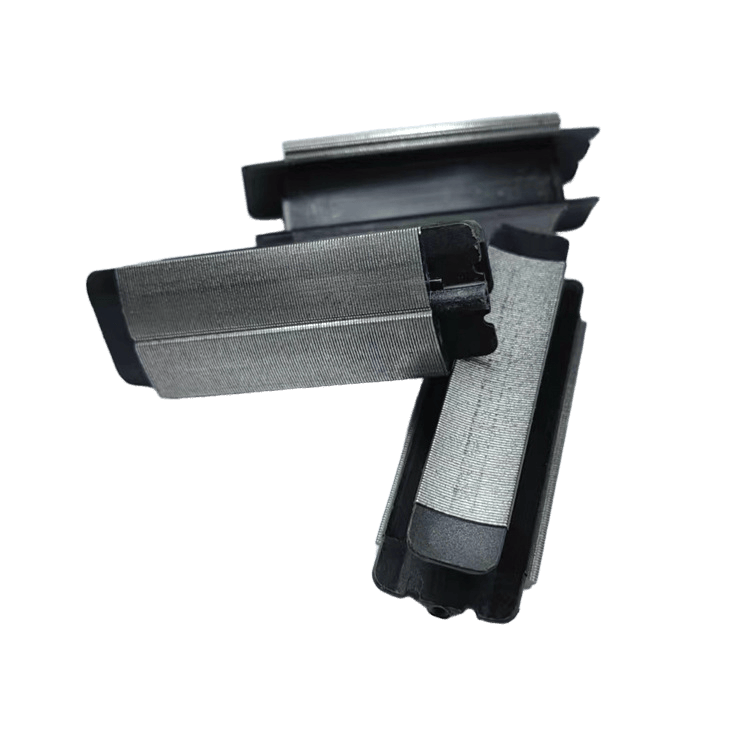
Bonding / Back-lacquering: Perfect for irregular or ultra-thin laminations, resulting in extremely low core loss.
Welding / Riveting: Structurally robust, suitable for high-torque motors.
Post-processing: Providing a full suite of services including deburring, cleaning, and insulation coating.
The Hangzhou Rendezvous: A Sincere Invitation to Global Partners
HRTE 2026 in Hangzhou marks our official "unveiling" to the global market. We hope to demonstrate to the world: China not only has massive production capacity but also possesses high-precision, customizable, and trustworthy lamination manufacturing capabilities.
If you are seeking a stable lamination supplier for humanoid robots, precision servo motors, or micro-drive systems, whether you need preliminary drawing evaluations, sample prototyping, or long-term mass procurement, we look forward to connecting with you.
Let us empower the global intelligent equipment and humanoid robot industries with high-quality motor laminations!
📩 Contact Us Now for a Custom Solution
- Exhibition Dates: May 14–16, 2026
- Exhibition Venue: Hangzhou Grand Convention and Exhibition Center
- Business Scope: Motor stator and rotor laminations, precision stamped parts, mold development
- Email: [email protected]
- Phone / WhatsApp / WeChat: +086-18826897469
About Youyou Technology
Youyou Technology Co., Ltd. specializes in the manufacture of backlack precision cores made of various soft magnetic materials, including backlack silicon steel, ultra-thin silicon steel, and backlack specialty soft magnetic alloys. We utilize advanced manufacturing processes for precision magnetic components, providing advanced solutions for soft magnetic cores used in key power components such as high-performance motors, high-speed motors, medium-frequency transformers, and reactors.
The company Self-bonding precision core products currently include a range of silicon steel cores with strip thicknesses of 0.05mm(ST-050), 0.1mm(10JNEX900/ST-100), 0.15mm, 0.2mm(20JNEH1200/20HX1200/ B20AV1200/20CS1200HF), and 0.35mm(35JNE210/35JNE230/ B35A250-Z/35CS230HF), as well as specialty soft magnetic alloy cores including Soft Magnetic Alloy 1J22/1J50/1J79.