1. Introduction: The Battle Against Cogging Torque and Acoustic Noise
In the relentless pursuit of peak efficiency and whisper-quiet operation—across applications ranging from heavy-lift UAV propulsion and surgical robotics to semiconductor wafer handling and aerospace servos—smooth torque delivery is a non-negotiable requirement.
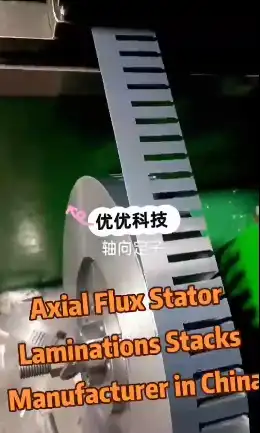
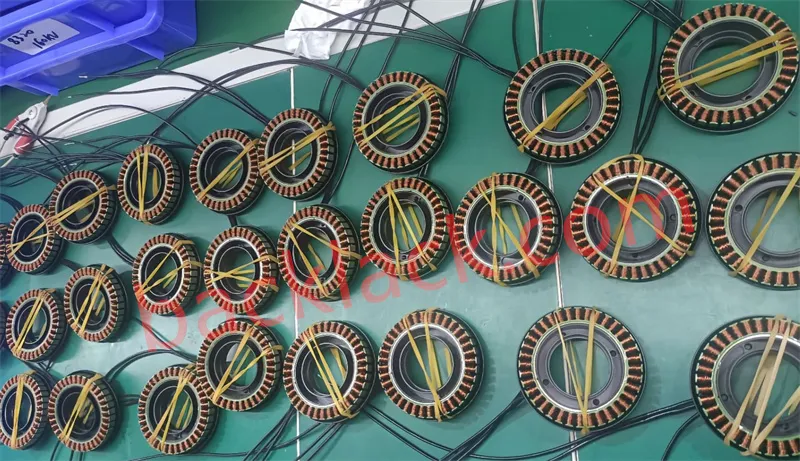
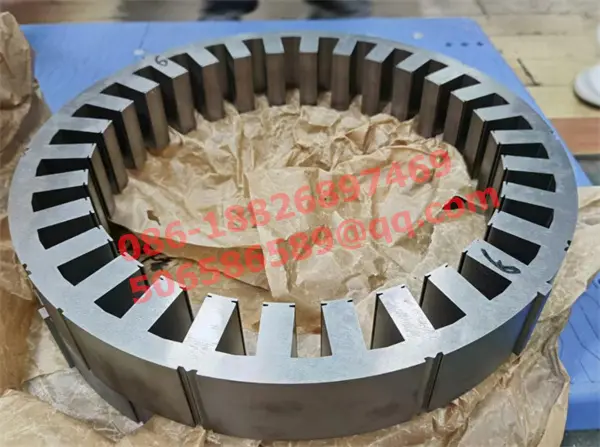
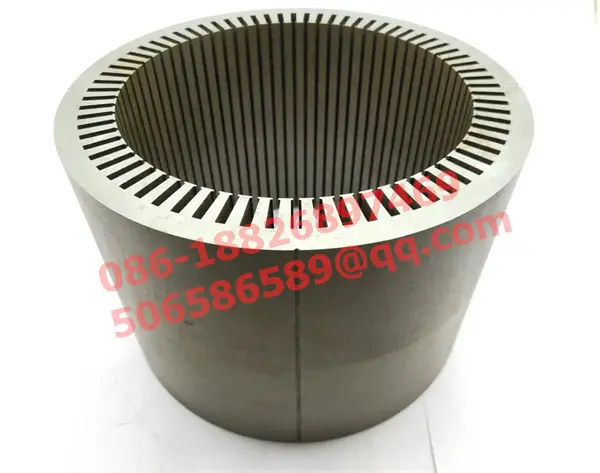
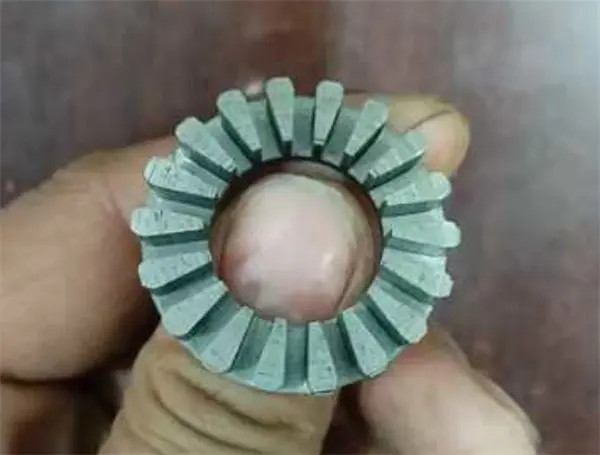
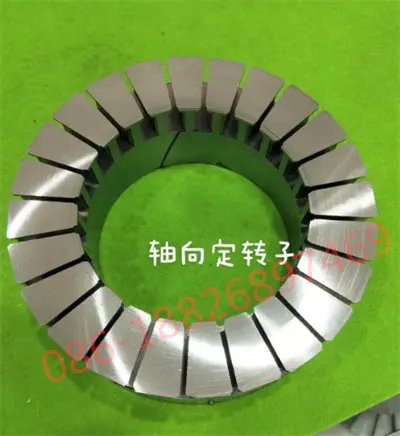
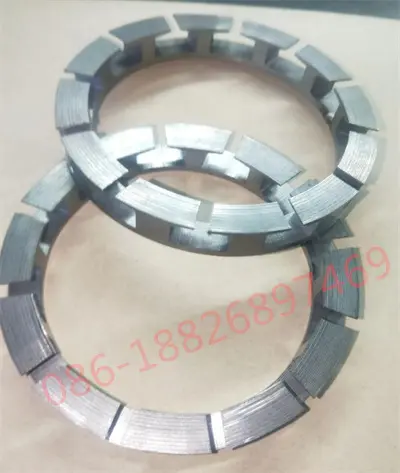
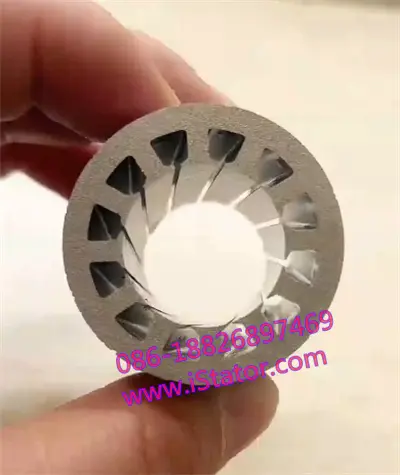
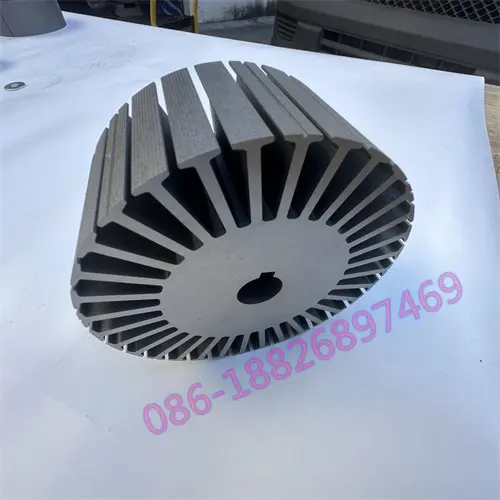
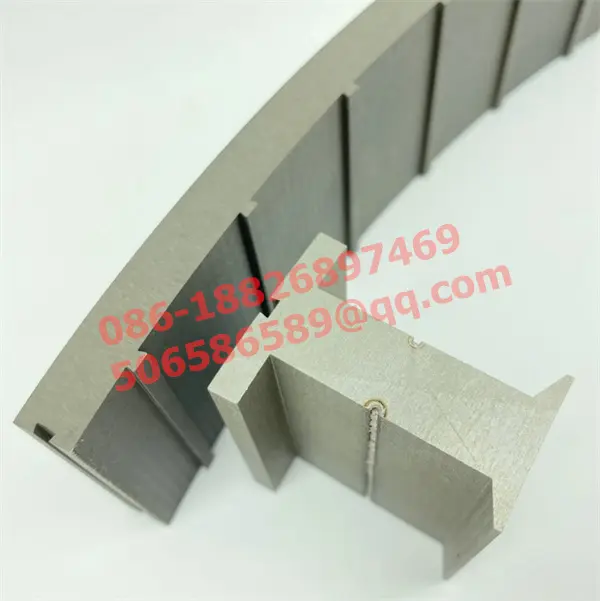
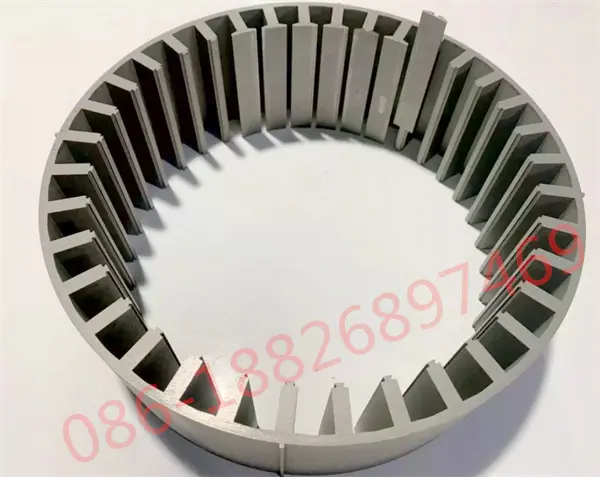
One of the most effective electromagnetic solutions to eliminate cogging torque and harmonic vibration is implementing helical skewed slots across the axial length of the stator or rotor lamination stack. By continuously shifting the slot profile, skewed designs smooth out magnetic reluctance variations between permanent magnets and iron core teeth.
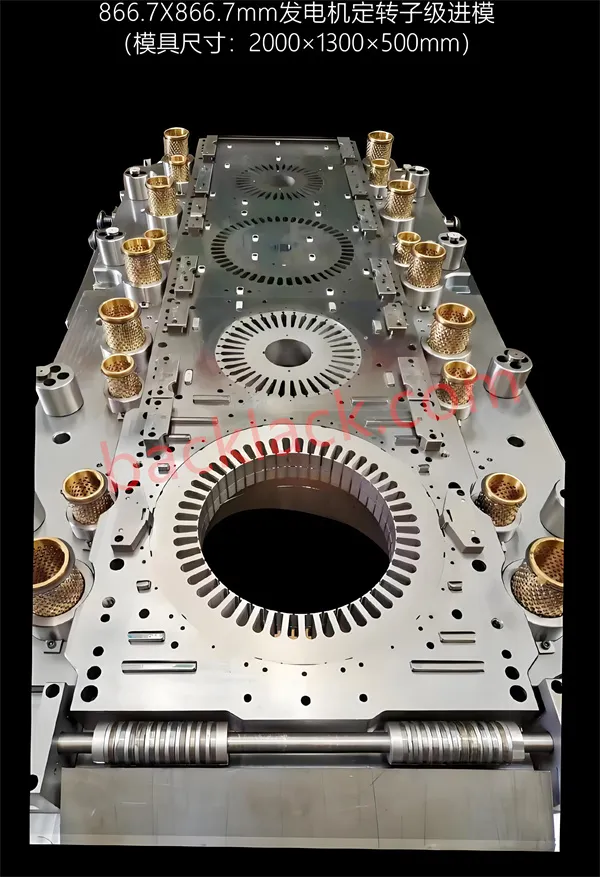
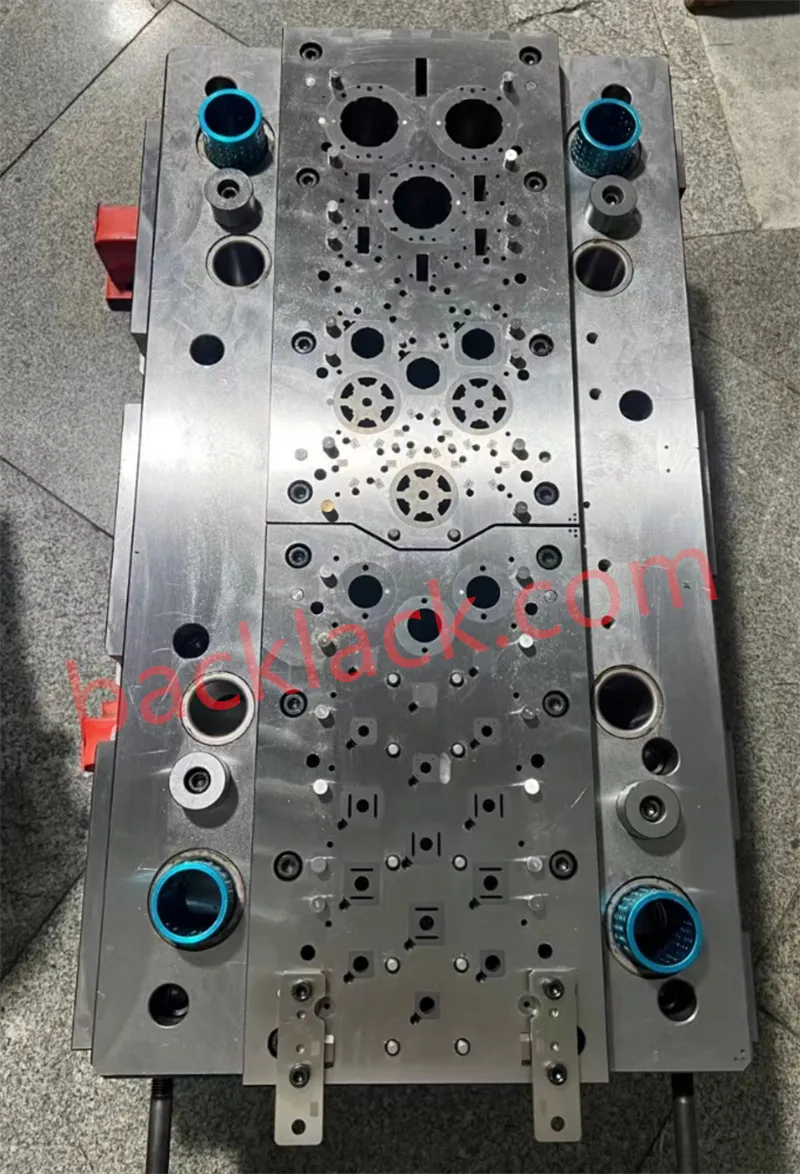
However, machining these angled, 3D complex geometries presents severe manufacturing bottlenecks. Conventional progressive stamping dies for skewed slots are notoriously expensive, while post-stacking twisting methods often ruin insulation coatings and cause severe inter-lamination shorts.
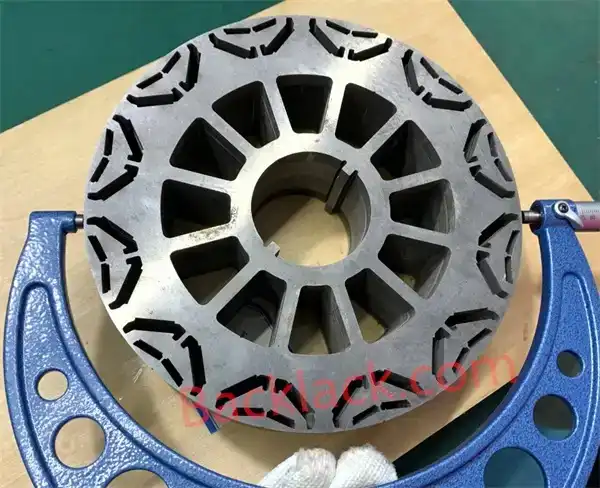
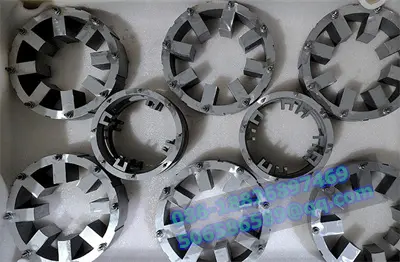
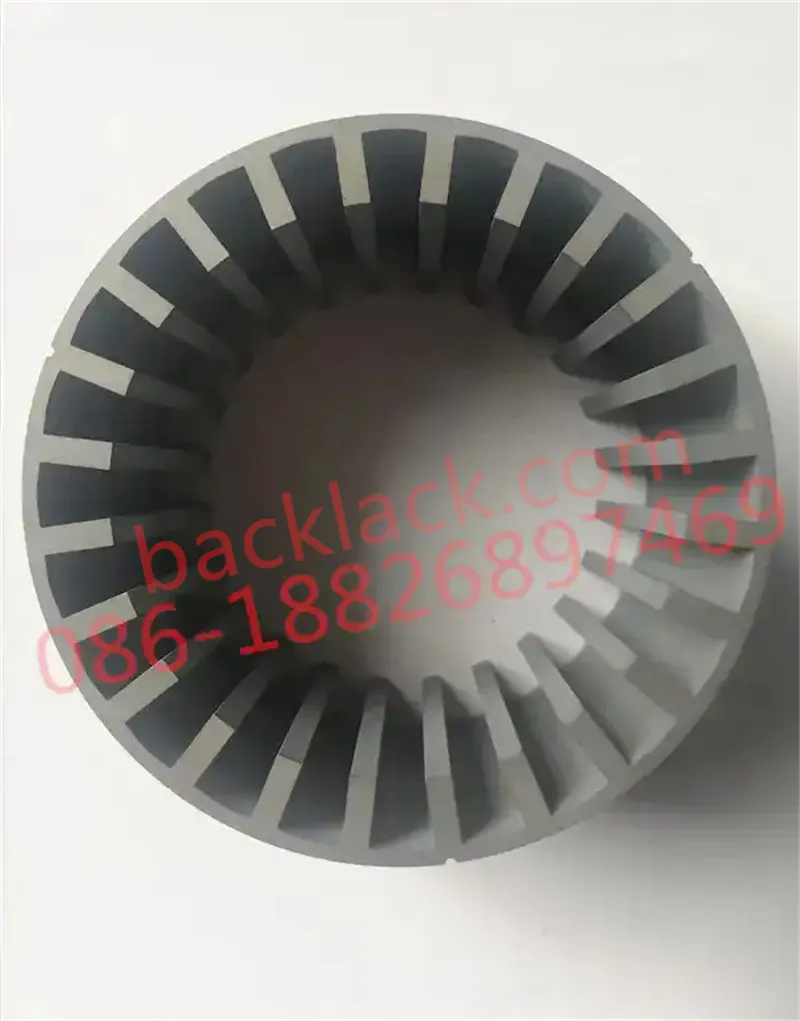
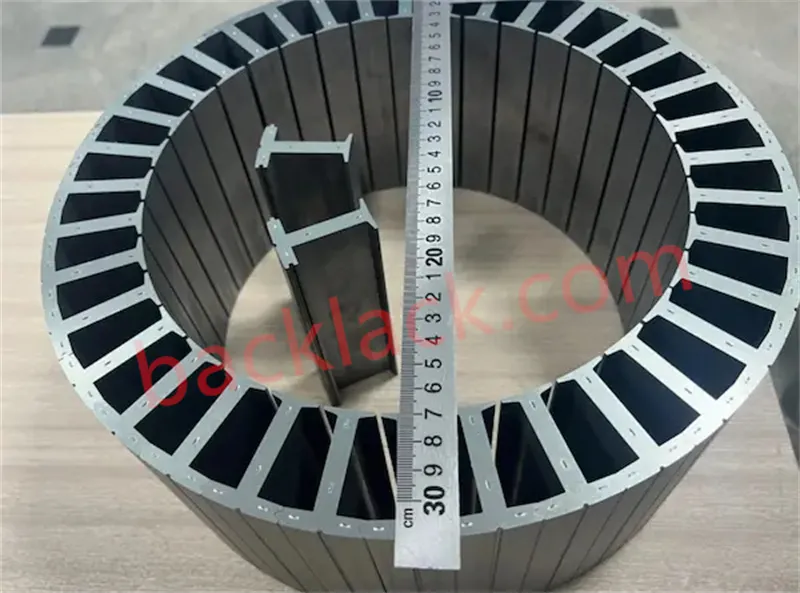
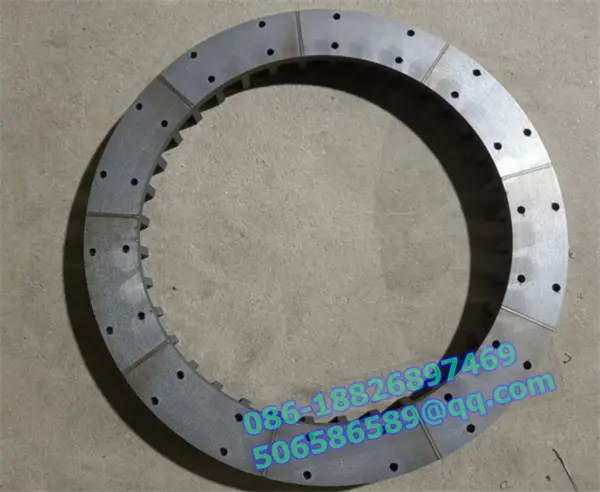
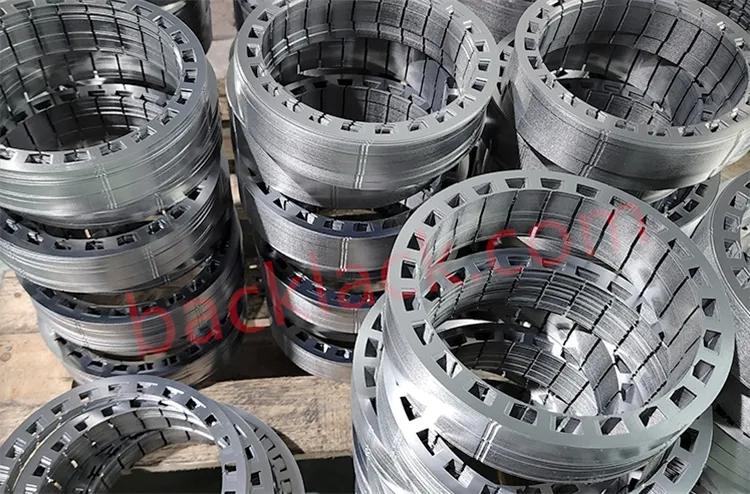
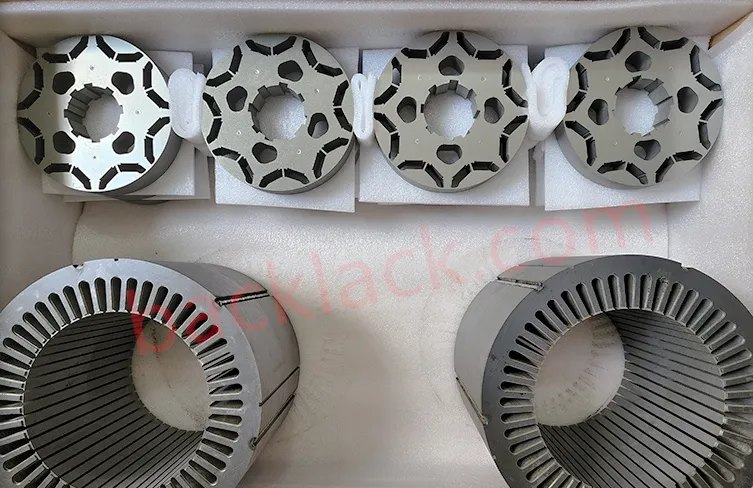
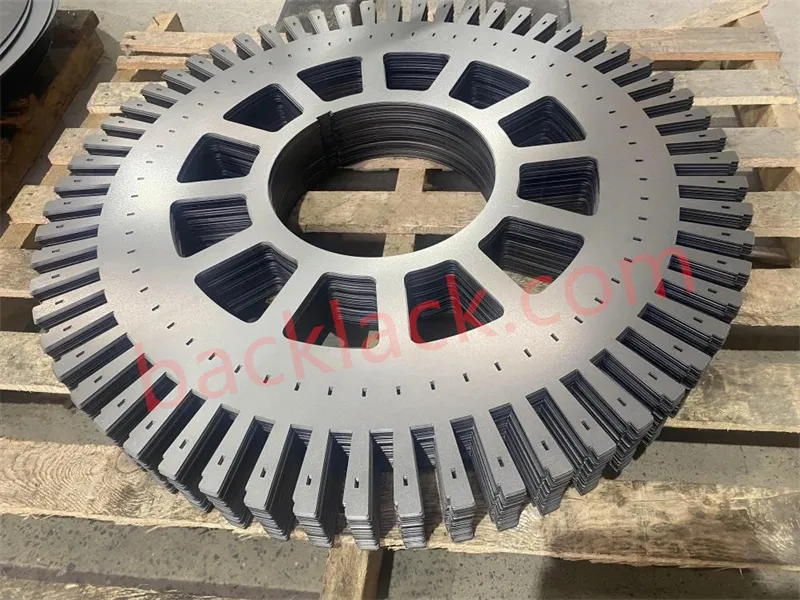
As a specialized custom motor core manufacturer, Youyou Company utilizes multi-axis Wire EDM (Electrical Discharge Machining) combined with Backlack (self-bonding) technology to solve this exact engineering dilemma—delivering high-precision skewed cores with zero mechanical stress and pristine electrical isolation.
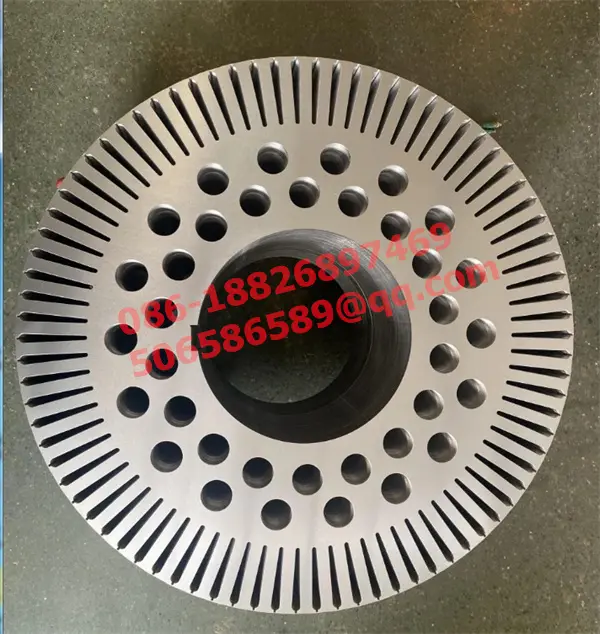
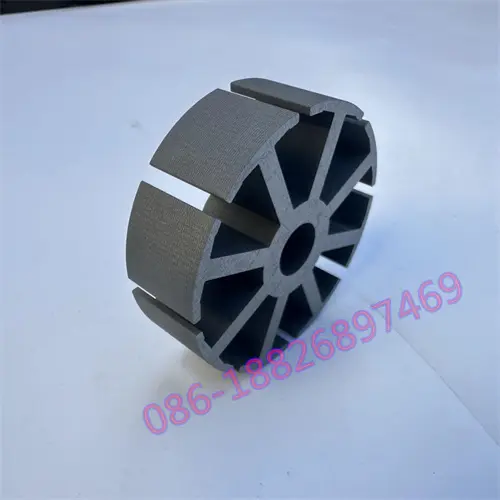
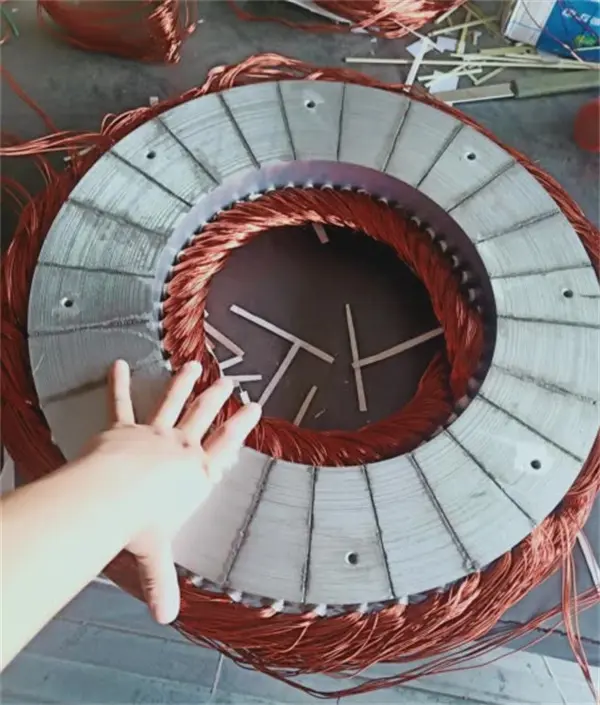
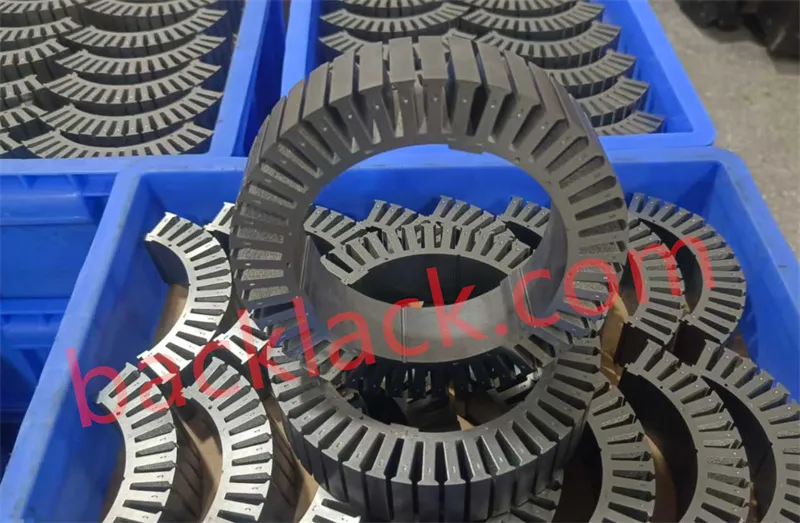
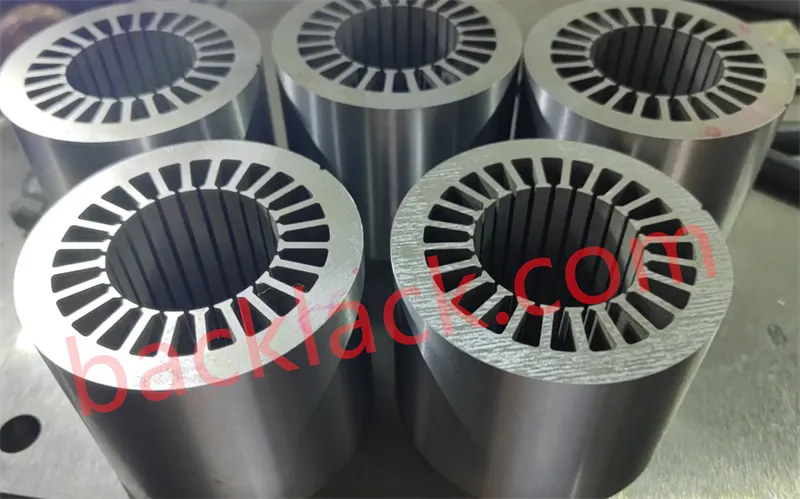
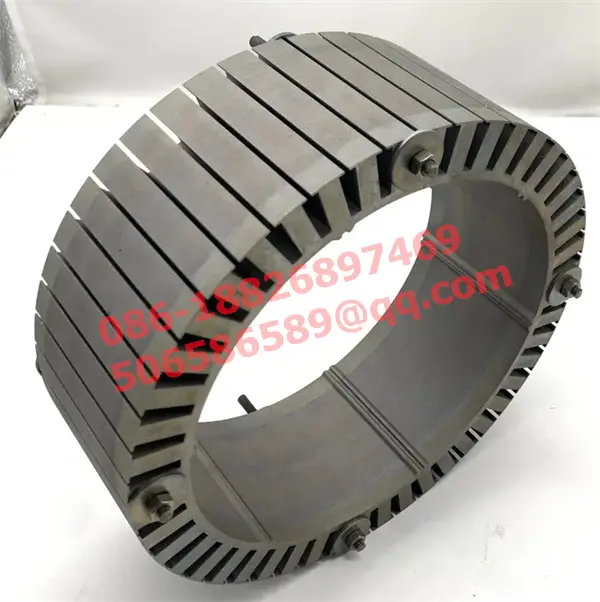
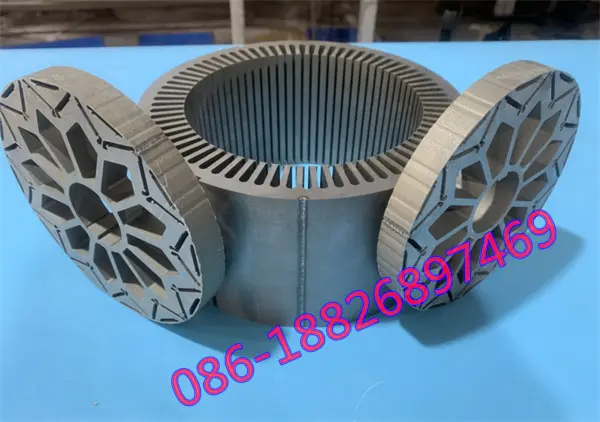
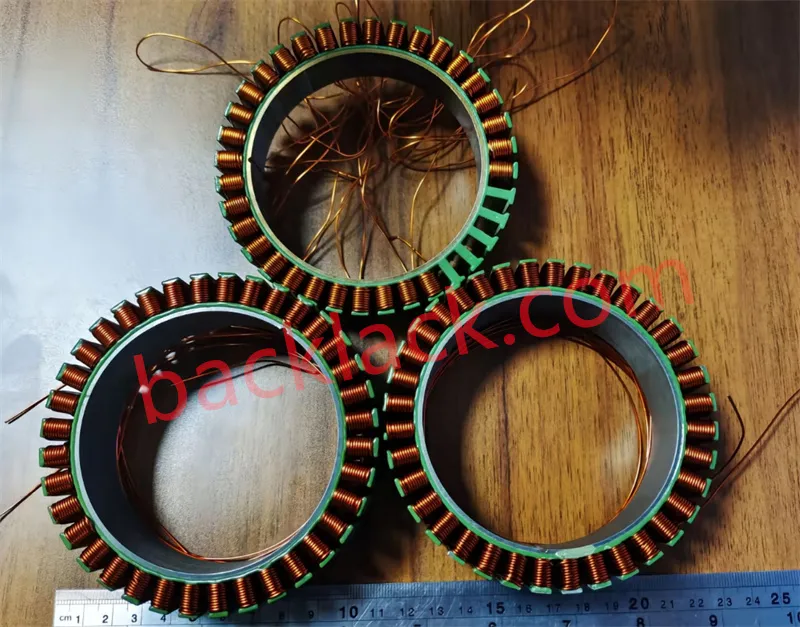
2. Why High-Performance Motors Demand Helical Skewed Slots
By introducing an axial slant angle along the tooth alignment, helical slots continuously alter the magnetic reluctance along the rotor's rotation path:
- Drastic Reduction in Cogging Torque & Torque Ripple: Ensures buttery-smooth rotation even at sub-RPM positioning speeds.
- Acoustic & Vibration Dampening: Attenuates electromagnetic harmonic noise in ultra-high-speed propulsion motors (30,000+ RPM).
- Optimized Flux Distribution: Maximizes torque linearity without altering core volume or compromising magnet utilization.
3. The Limitations of Traditional Skewing Methods
While skewed slot geometry looks ideal in electromagnetic FEA simulations, traditional factory floors struggle to produce it reliably:
- Prohibitive Progressive Stamping Tooling Costs: Custom indexing or twisting die sets require huge capital investments ($50,000+), making low-to-medium batch sizes and engineering prototyping cost-prohibitive.
- Inter-Lamination Short Circuits (Twisting Stacks): Stacking straight-stamped laminations and physically twisting them post-assembly tears sheet insulation, induces severe eddy current losses (Pfe), and causes axial core blooming.
4. How Wire EDM Perfects Helical Slot Manufacturing
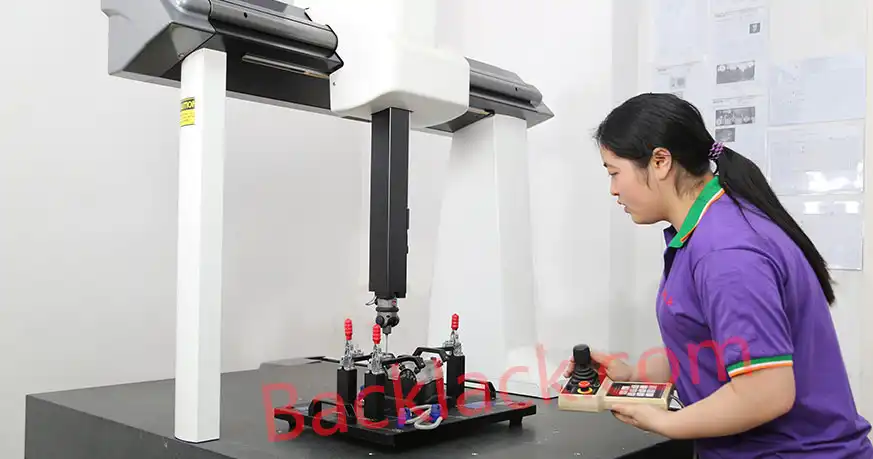
Utilizing multi-axis CNC Wire EDM—specifically synchronized U/V-axis taper cutting—engineers at Youyou Company can cut complex helical angles directly from solid, pre-bonded lamination blocks with micron-level precision.
-
Zero Mechanical Stress & Burr-Free Edges
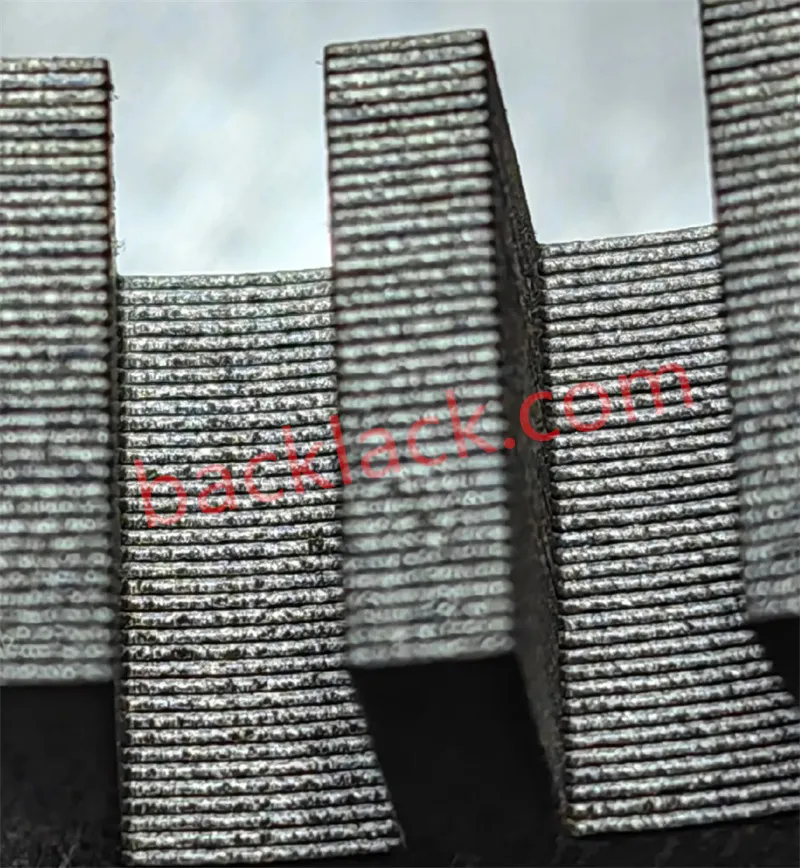
Wire EDM is a non-contact thermal erosion process. Unlike traditional punching or milling, zero shear forces are exerted on ultra-thin electrical steel sheets (0.1mm–0.2mm). This eliminates edge burrs and mechanical strain, preventing short circuits between layers.
-
Extreme Angular Precision & Axial Consistency
Precision U/V axis guide synchronization maintains exact taper angles throughout the entire stack height—whether cutting a 15mm drone stator or a 150mm industrial traction core.
-
Perfect Synergy with Backlack (Self-Bonding Varnish) Technology
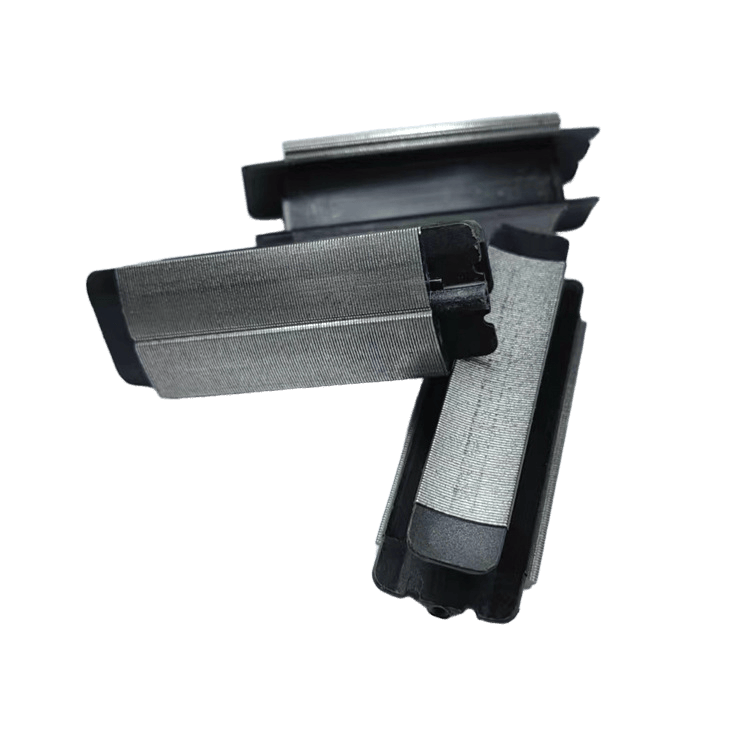
By utilizing Backlack self-bonding electrical steel, the lamination stack is thermally cured into a single monolithic block prior to wire cutting. Wire EDM processes the glued stack seamlessly without rivets, welds, or interlocks, maintaining an uninterrupted magnetic circuit and maximum stacking factor (≥ 98%).
-
Ultra-Fast Iteration for Prototyping
Need to evaluate a 1.5° vs. 3.0° skew angle? Wire EDM requires no hardware tooling modifications. Simply update the CAD/CAM taper program, and prototypes are ready in days rather than months.
Deep Dive: Combining Vacodur 49 Cobalt-Iron Alloys with Wire EDM Skewed Slots
For absolute peak power density in aerospace actuators, eVTOL propulsion, surgical tools, and F1 electric drives, conventional silicon steel hits its physical ceiling. Motor designers turn to Vacodur 49 (49% Cobalt-Iron soft magnetic alloy / 1J22 equivalent) for its unprecedented magnetic saturation (Bs ≈ 2.3T – 2.4T).
However, Vacodur 49 is an expensive material that is extremely strain-sensitive. Traditional mechanical stamping or aggressive milling induces stress that severely degrades its post-annealing magnetic permeability and spikes core losses.
Here is why Wire EDM Helical Cutting + Vacodur 49 is the ultimate technological pairing:
- Complete Protection of Strain-Sensitive Magnetic Properties: Because Wire EDM introduces zero mechanical shear force, the ultra-high saturation flux density achieved during hydrogen annealing remains 100% intact.
- Minimal Heat-Affected Zone (HAZ): Spark erosion affects only a microscopic boundary region, eliminating the need for costly post-machining secondary stress-relief annealing.
- The "Power Density Trinity": Vacodur 49 Alloy + Backlack Self-Bonding + Wire EDM Helical Slots delivers the pinnacle of motor performance: maximum torque per kilogram, zero inter-lamination loss, and whisper-quiet operation.
5. Key Applications Benefiting Most
6. Partner with Youyou Company for Your Custom Core Needs
Machining helical skewed slots via Wire EDM requires more than just high-end machine tools—it demands deep manufacturing expertise in stack clamping, spark-gap compensation across thin laminations, and thermal management.
At Youyou Company, we specialize in ultra-thin electrical steel (0.1mm–0.2mm), Vacodur 49 / 1J22 alloys, Backlack bonding technology, and precision multi-axis Wire EDM cutting. Whether you are running low-volume rapid prototyping or moving into precision series production, our engineering team brings your most complex motor concepts to life.
Conclusion
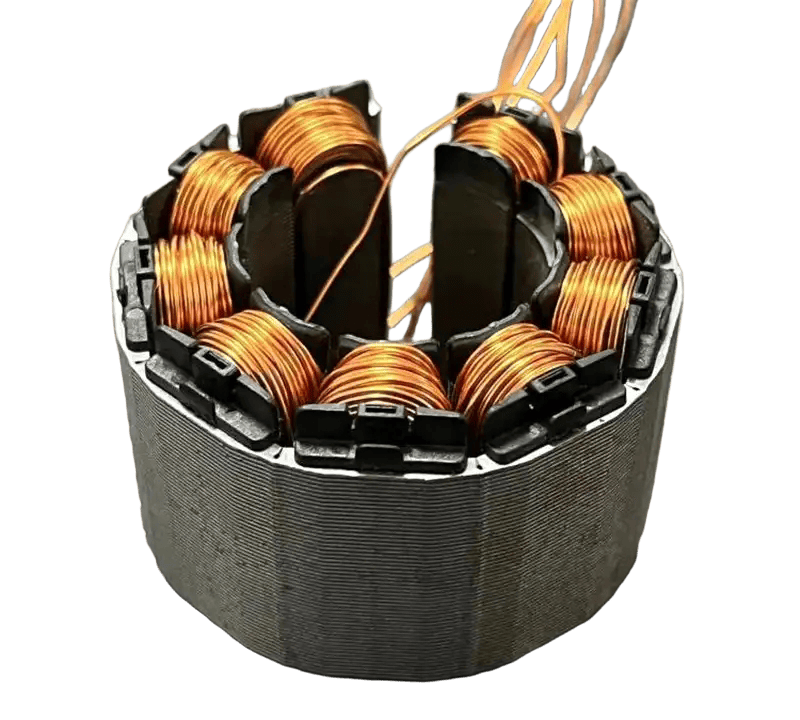
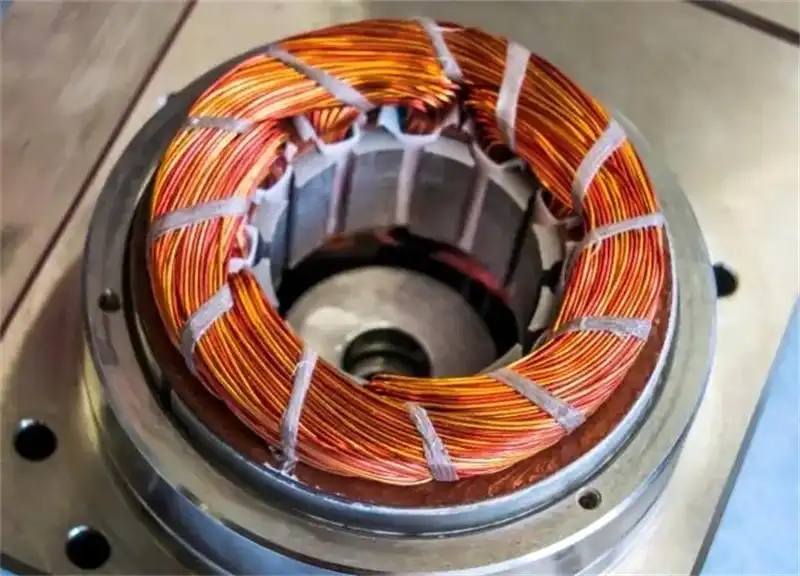
In today’s fast-evolving motor landscape—where extreme smoothness, low noise, and high power density are paramount—the stator core lamination stack remains the ultimate foundation of motor performance. Without a premium, zero-stress custom core featuring precise helical slot geometries, even the finest copper windings and strongest NdFeB magnets cannot unlock a motor's true potential.
As pioneers in advanced motor lamination processing, Youyou Company provides the raw manufacturing precision and deep technical expertise your product deserves. Powered by multi-axis Wire EDM taper cutting, Backlack self-bonding technology, and specialized processing for high-saturation alloys like Vacodur 49, we empower your motors to eliminate cogging torque and break through physical efficiency limits.