Breakthrough Power Density & Cost Limits: Full Analysis of In-Die Self-Bonding Core Technology

High-Frequency Motor Core Manufacturing: Engineering Performance Upgrade & Full-Lifecycle Cost Optimization Analysis

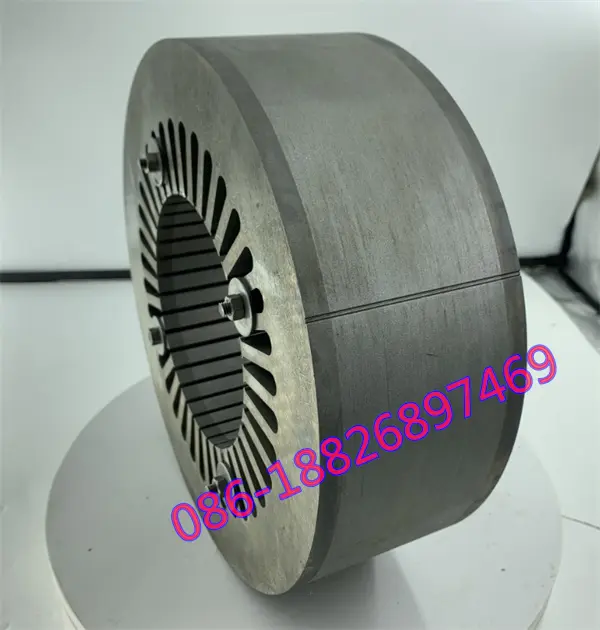
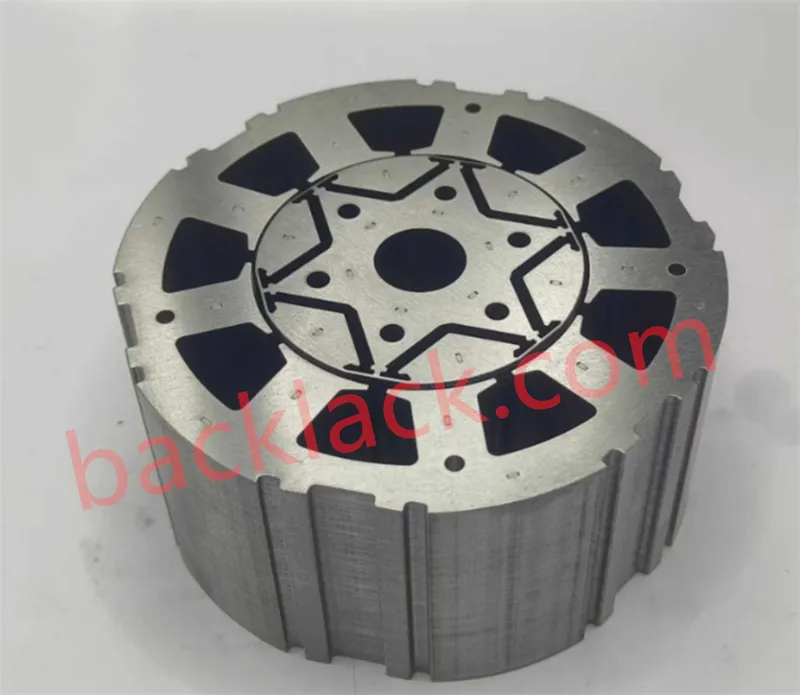
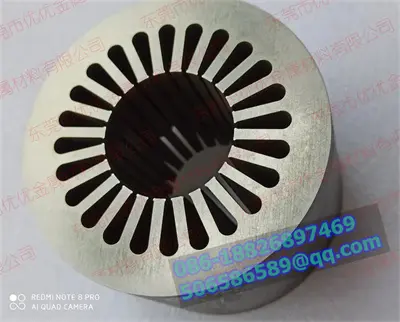
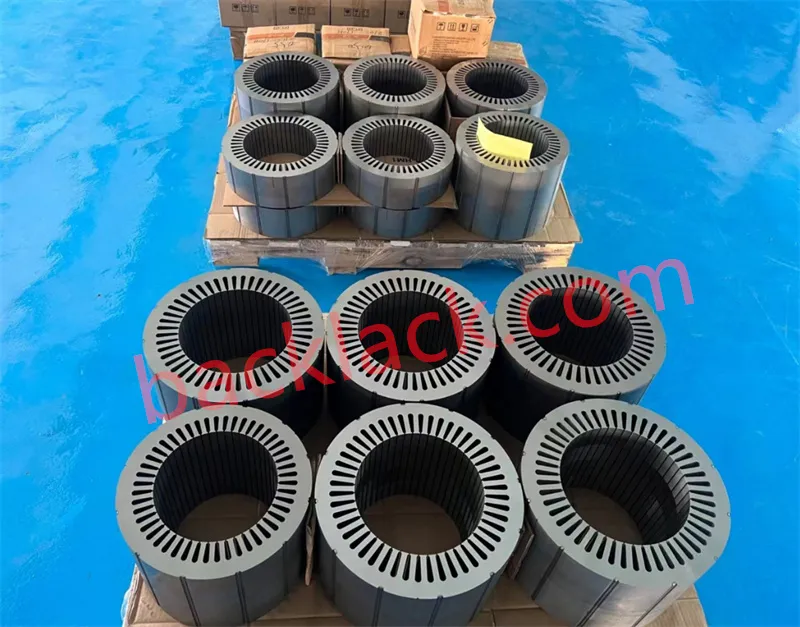
In the R&D of next-generation motors pursuing high speed, high power density and superior NVH (Noise, Vibration, Harshness), traditional core fixing and lamination processes (clinch fastening, laser welding) have hit physical bottlenecks.

This article thoroughly analyzes how In-Die Self-Bonding (Backlack) technology breaks the performance limitations of high-frequency motors through stress-free lamination and 100% full-surface insulation. It delivers dual value: empowering R&D teams to upgrade electromagnetic performance and enabling procurement & manufacturing teams to achieve full-lifecycle cost reduction and efficiency improvement.

I. The Core Dilemma of Modern Motor Design & Manufacturing

With the wide application of high-frequency motors and ultra-thin silicon steel sheets (0.1mm–0.2mm), engineering design and production procurement teams are trapped in a universal trade-off: performance improvement conflicts with yield and delivery efficiency.

  • Insulation Damage & High Core Loss: Traditional clinching and laser welding destroy the surface insulation layer of silicon steel sheets, causing inter-lamination micro-short circuits and sharply increasing eddy current loss under high-frequency operation (above 400Hz).
  • Residual Stress & Degraded Magnetic Performance: Mechanical stamping and high-temperature welding introduce internal residual stress in the core, resulting in reduced magnetic permeability and increased coercivity, which limits the upper limit of motor power density.
  • Complicated Processes & Long Lead Time: Traditional post-curing offline baking requires secondary fixture assembly and long-term high-temperature curing, occupying massive production space and equipment resources with lengthy cycles.
  • Low Yield for Ultra-Thin Sheets: Ultra-thin silicon steel sheets (≤0.2mm) are prone to deformation, warpage and perforation during traditional clinching and welding, leading to high scrap rate and increased comprehensive production costs.

Traditional Process: Stamping → Fixture Assembly → Long-Term Offline Oven Curing → Disassembly & Cooling (Time-Consuming, Space-Consuming, Low Efficiency)

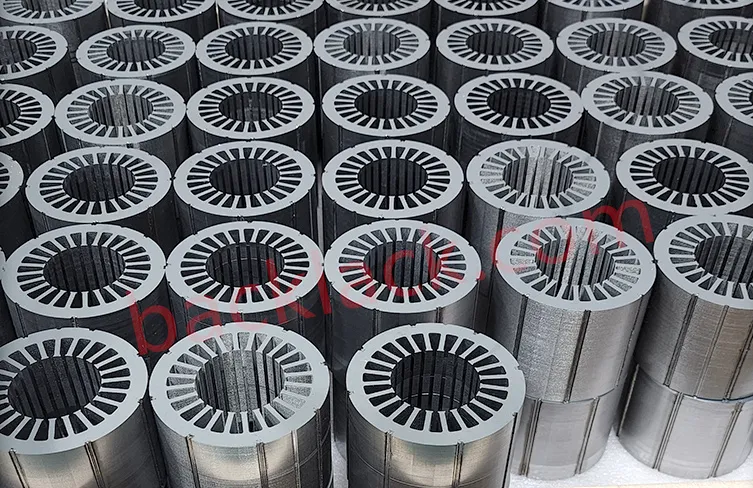
In-Die Self-Bonding Process: Integrated Stamping & In-Die Thermal Press Forming → Finished Product Out of Mold (50%+ Efficiency Improvement, One-Step Molding)
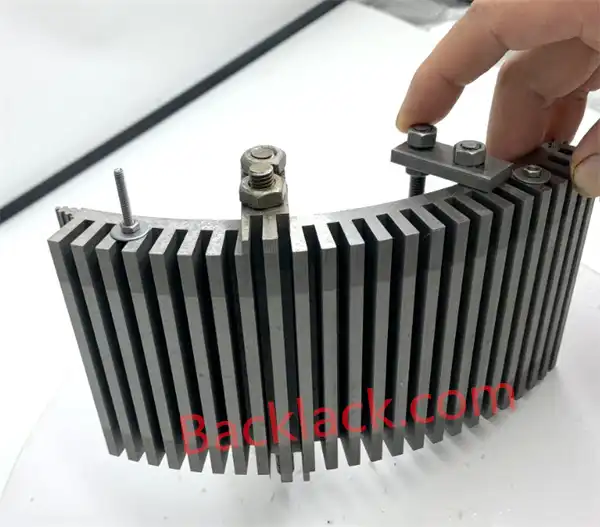
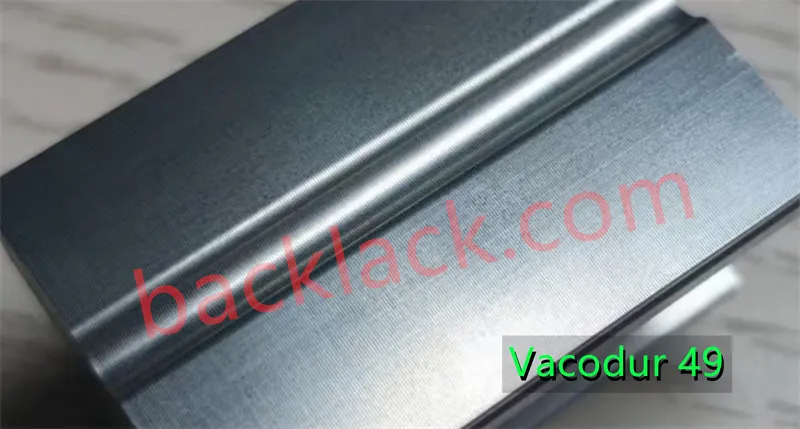
How In Die Self Bonding Eliminates High Frequency Core Loss In 400Hz Motors Zero Residual Stress Stator Stacks Unlocking Power Density of Ultra Thin Silicon Steel Engineering Guide To Reducing Eddy Current Loss Using 0.1Mm Backlack Lamination Why In Die thermal Pressing Delivers Superior Nvh Performance In Speed Motor Cores Maximizing Magnetic Permeability In 0.15Mm Electrical Steel Via Non Destructive Bonding Advanced thermodynamics In Stamping Precision thermal and Pressure Control In Die Self Bonding Vs Traditional Post Curing Cut Lead Times By 50 Percent Overcoming Ultra Thin Sheet Scrap Rates Sourcing Guide To High Yield Stator One Step In Die Bonding Lowering Full Lifecycle Production Costs For Ev Stator Dfm Optimization Strategies For Ultra Thin Backlack Motor Cores How Precision Stamping Manufacturers Eliminate Secondary Fixtures Bottlenecks Evaluating Total Cost of Ownership In Die Bonding Vs Laser Welded Stators Custom In Die Self Bonding Stator Cores For Humanoid Robot Joint Actuators Ultra Thin 0.1Mm Backlack Lamination Solutions For Drone Propulsion Motors Precision Stator Core Manufacturing For 12 Inch Wafer Handling Equipment High Frequency Low Loss Backlack Stator Stacks For Medical Surgical Robotics Customized Self Bonding Silicon Steel Cores For Aerospace Electric Propulsion High Permeability Grain Oriented and Non Oriented Alloy Cores For Transformers In Die Self Bonding Vs Laser Welding Retaining Silicon Steel Insulation Why Traditional Mechanical Clinching Fails On Ultra Thin Silicon Steel Laminations Backlack Self Bonding Coating Vs Varnish Dip Eliminating Micro Short Circuits Rivet Free In Die Bonding Stators Eliminating thermal Impact Zones Comparing Bonding Shear Strength In Die thermal Activation Vs offline Epoxy How To Achieve 100 Percent Full Interface Bonding Integrity In Rotor Stator Stacks Controlling Stamping Burrs Within 5Um On 0.10Mm Ultra Thin Electrical Steel How Dynamic Multi Stage Temperature Control Guarantees 12Mpa Shear Strength Rapid Prototyping For Backlack Motor Cores Precision Stator Samples In 3 5 Days Thermal Shock Resistance In Self Bonding Stators Reliability From 40C To 180C Cmm and Ac Core Testing Standards For High Frequency Low Loss Stators Eliminating Air Gap Irregularities Achieving 0.0.1Mm Concentricity In Stators

II. Engineering Advantages: Performance Breakthroughs for R&D Engineers

In-Die Self-Bonding technology abandons all destructive traditional connection methods, fully retaining the intrinsic electromagnetic and mechanical properties of silicon steel materials, and solving the core performance pain points of high-frequency high-power motors.

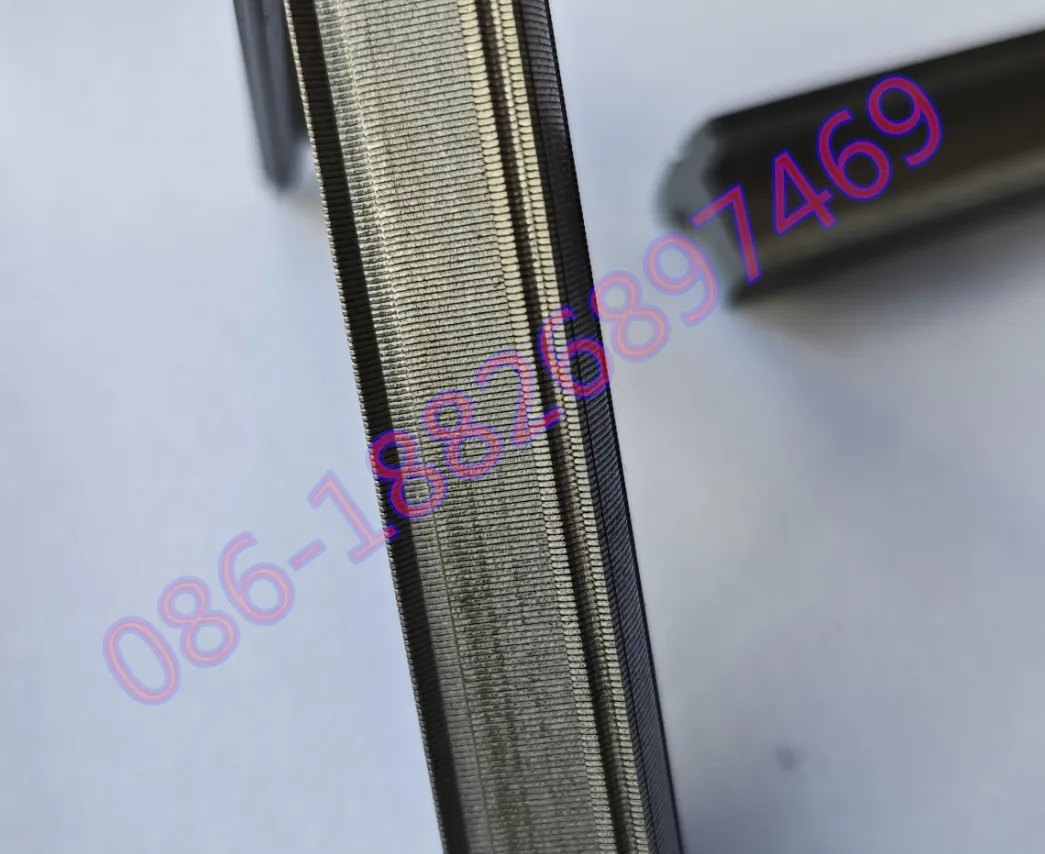
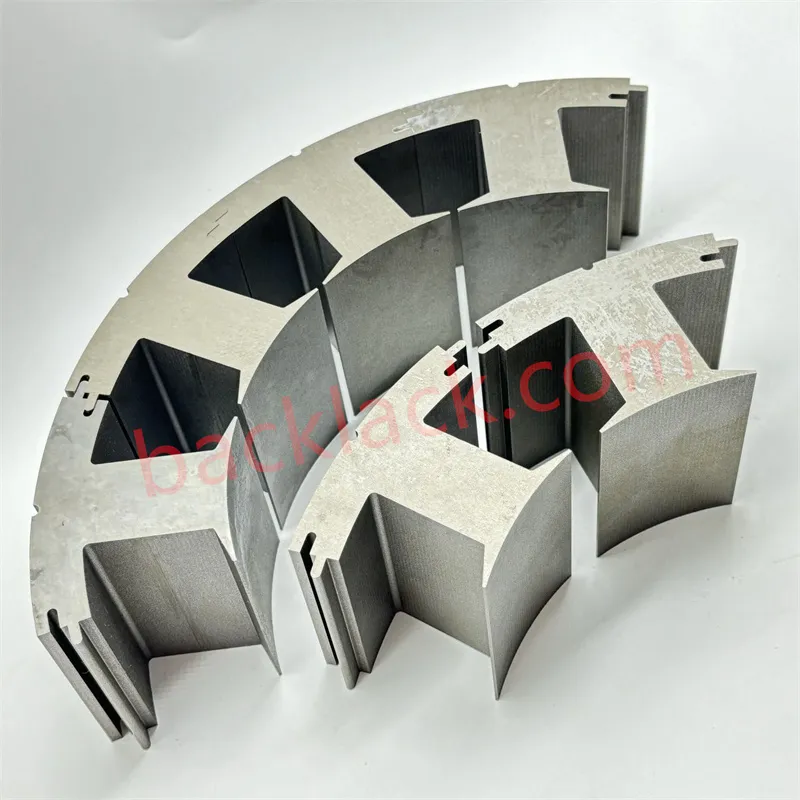
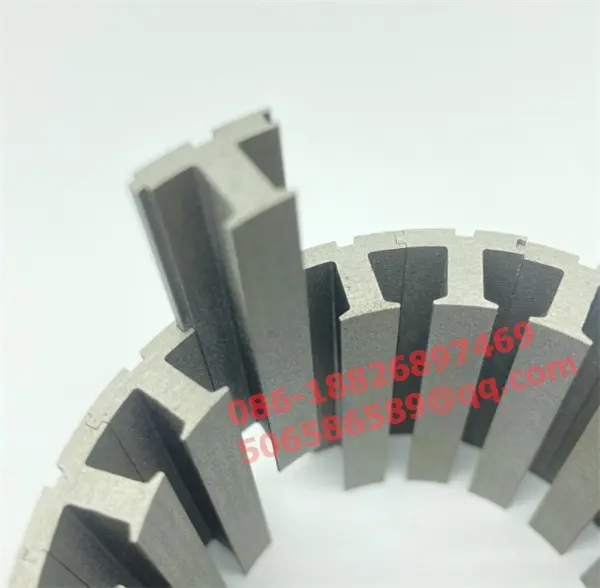
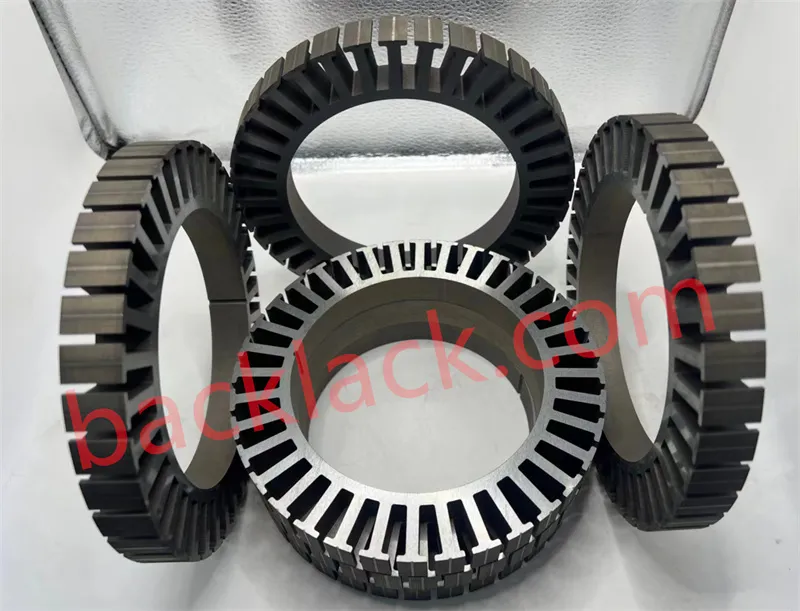
By precisely controlling temperature and pressure inside the mold, the Backlack self-bonding coating is evenly and fully activated. The lamination stacks achieve 100% full-interface bonding with intact insulation layer, fundamentally eliminating inter-lamination micro-short circuits and effectively suppressing high-frequency eddy current loss, adapting to 400Hz+ high-speed motor operating scenarios.

No mechanical clinching extrusion or laser thermal impact zone is generated during the whole process. The internal residual stress of the iron core is close to zero, which completely preserves the original high magnetic permeability and low loss characteristics of ultra-thin silicon steel sheets, unlocking the ultimate power density of the motor.

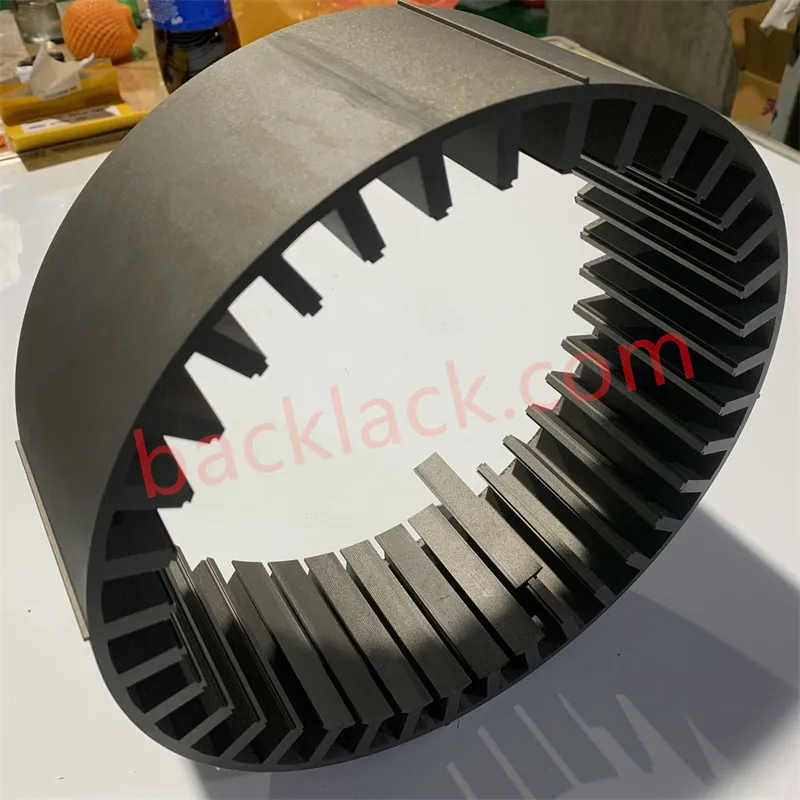
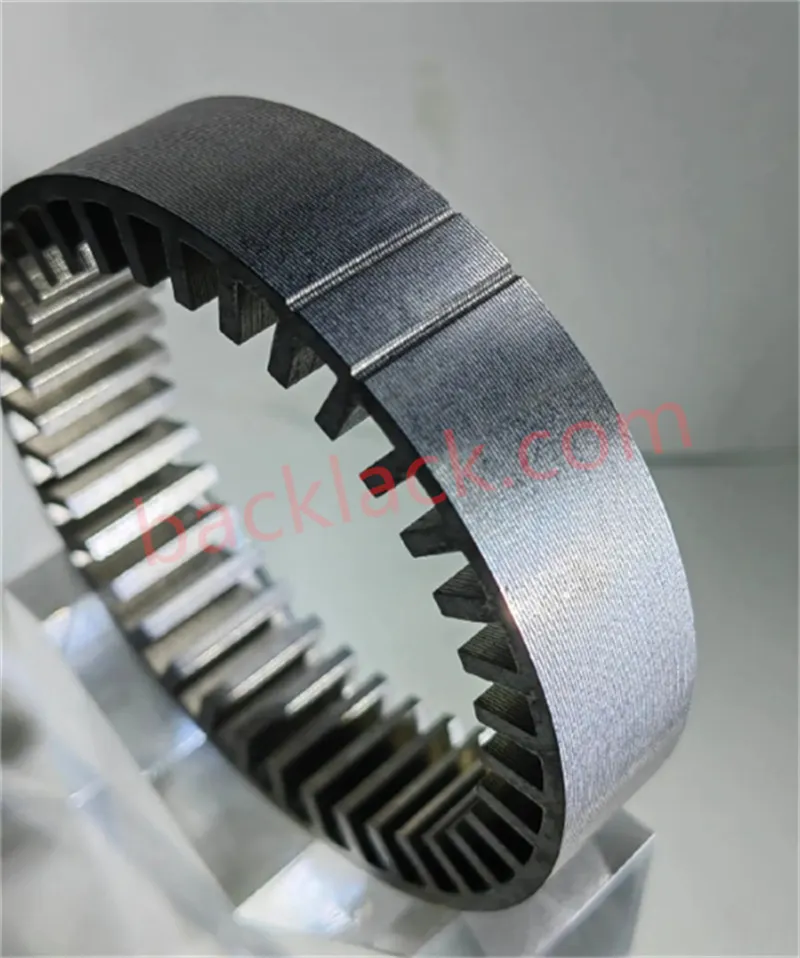
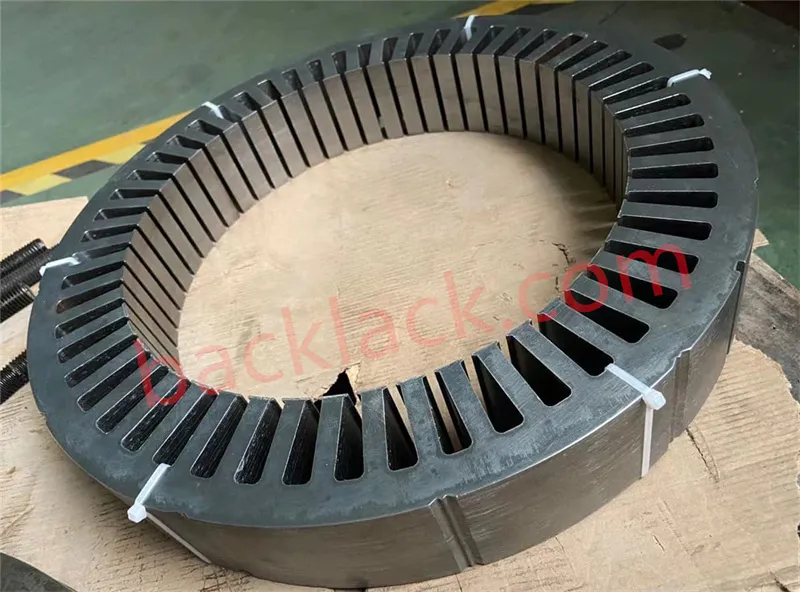
The surface bonding shear strength reaches ≥12 MPa. The overall iron core forms a highly homogeneous integrated rigid structure, which significantly increases the natural frequency of the stator stack, effectively suppresses electromagnetic vibration and high-frequency noise during high-speed operation, and greatly optimizes motor NVH performance.

The in-die integrated molding process has ultra-high adaptability to ultra-thin sheets, completely solving the industry problems of easy deformation in clinching and easy perforation in laser welding for 0.1mm/0.15mm/0.2mm thin silicon steel laminations, supporting the miniaturization and high-power iteration of new energy motors.

III. Manufacturing & Cost Benefits: Full-Lifecycle Value for Procurement

While upgrading electrical performance, In-Die Self-Bonding technology comprehensively optimizes production processes, yield rate and delivery cycle, bringing tangible cost reduction and efficiency improvement benefits for procurement and production management.

Evaluation Dimension Traditional Clinching / Laser Welding Traditional Offline Post-Curing In-Die Self-Bonding Technology
Insulation Integrity Partial damage, severe high-frequency eddy current loss Complete insulation 100% Intact, Excellent Insulation Performance
Residual Stress Large mechanical/thermal stress Minimal stress Near Zero Residual Stress
Bonding Strength & Rigidity Only partial point connection, poor overall rigidity Full-surface bonding Full-Surface High-Strength Bonding (≥12MPa Shear Strength)
Production Lead Time Short cycle but severely performance-limited Extremely long, multiple secondary processes One-Step Molding, Double Production Efficiency
Ultra-Thin Sheet Machinability (≤0.2mm) Difficult processing, high scrap rate Good processing performance Perfect Adaptation, Ultra-High Yield Rate

IV. Why Choose Youyou’s In-Die Self-Bonding Solution

As a professional manufacturer focusing on precision motor core customization, Youyou deeply integrates precision mold R&D, electromagnetic material characteristics and processing thermodynamics, providing standardized and customized mass production solutions for high-end motor customers.

  • Independent R&D In-Die Temperature Control System: The self-developed in-die thermal pressure control module achieves micron-level pressure and millisecond-level temperature precision control, ensuring each silicon steel lamination reaches the optimal coating activation state and consistent bonding quality.
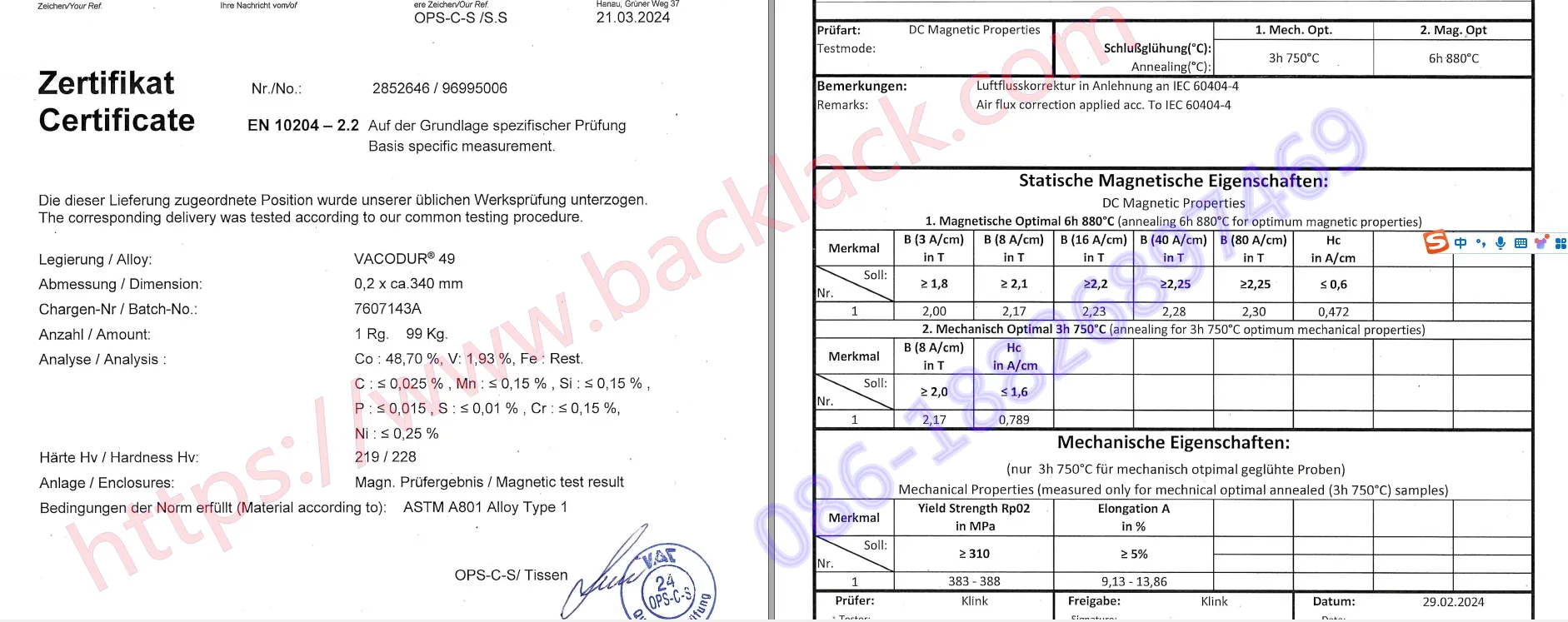
  • Rich Advanced Material Application Experience: Proficient in processing various mainstream self-bonding coated silicon steel materials (including 23ZDKH85, 0.1mm/0.15mm/0.2mm ultra-thin specifications) to meet the customized R&D and production needs of new energy vehicles, industrial automation and aerospace motors.
  • Full-Process DFM Technical Support: Provide early-stage DFM manufacturability evaluation, structural optimization suggestions, rapid prototyping and seamless mass production docking services to help customers shorten product iteration cycles and reduce trial and error costs.

About Youyou Company

In-Die Self-Bonding technology is not only a core upgrade of motor electromagnetic performance, but also a key technical path for enterprises to achieve differentiated competition, full-lifecycle cost reduction and quality improvement in high-frequency high-density motor manufacturing.

Ready to upgrade your next-generation motor core solution?

Contact our professional technical team to obtain free DFM design evaluation and prototype sampling support!
REQUEST CONSULTATION
 

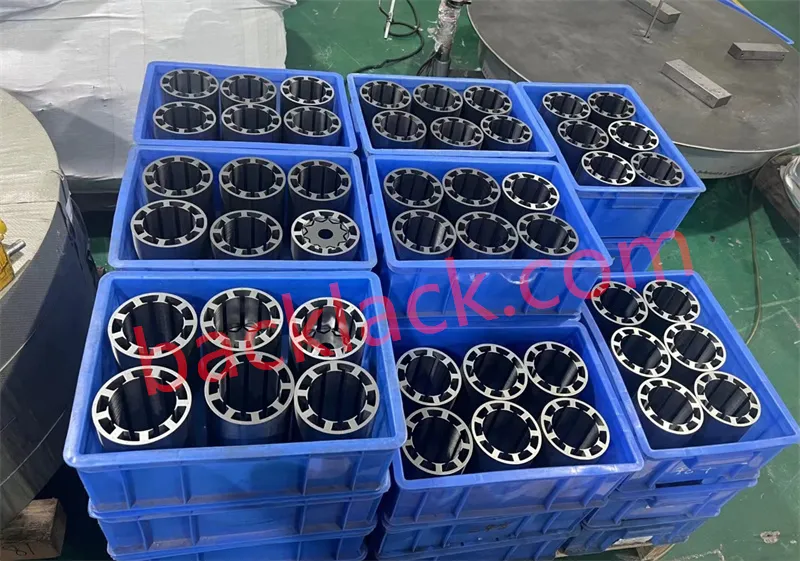
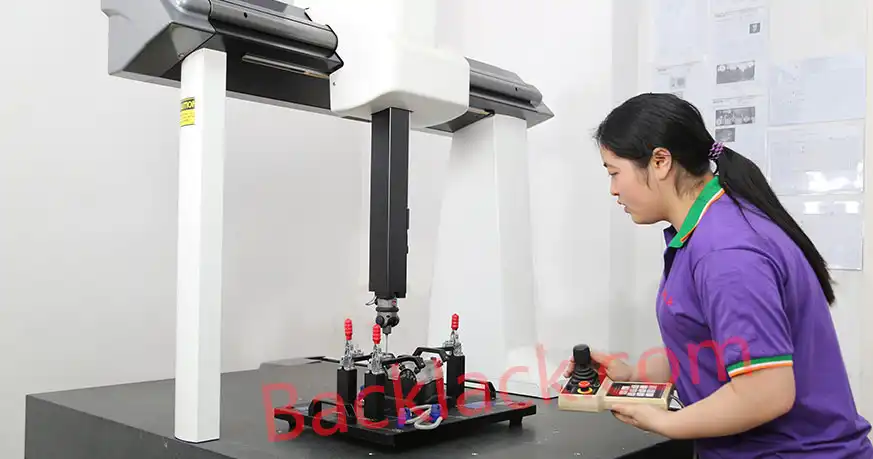
Quality Control for In-Die Self-Bonding Motor Cores & Ultra-Thin Laminations

As a professional precision motor core manufacturer, Youyou Company implements full-process strict QC standards for in-die self-bonding Backlack technology, ensuring zero-defect low-loss, high-rigidity, low-NVH silicon steel stacks for high-frequency motor applications.

Ultra-Thin Silicon Steel & Backlack Coating Inspection: Full detection for 0.1mm–0.2mm ultra-thin electrical steel and Backlack self-bonding coating integrity. 100% insulation layer retention ensures zero inter-lamination micro-short circuits and effectively suppresses high-frequency eddy current loss above 400Hz.

Zero Residual Stress Molding Control: Adopt independent R&D in-die constant temperature and pressure system to eliminate mechanical extrusion and thermal stress. Strict testing ensures near-zero internal residual stress of the core, completely retaining the original high magnetic permeability of silicon steel materials.

Bonding Strength & Structural Rigidity QC: Professional shear strength test ensures lamination bonding strength ≥12MPa. The integrated homogeneous rigid structure effectively improves motor natural frequency, restrains high-speed electromagnetic vibration and noise, and achieves excellent NVH optimization effect.

Full-Lifecycle Yield & Consistency Testing: One-step in-die molding solves the deformation and perforation problems of ultra-thin sheets in traditional processes. Strict finished product inspection realizes high yield rate, shortens production lead time by more than 50%, and delivers stable and consistent mass production quality.

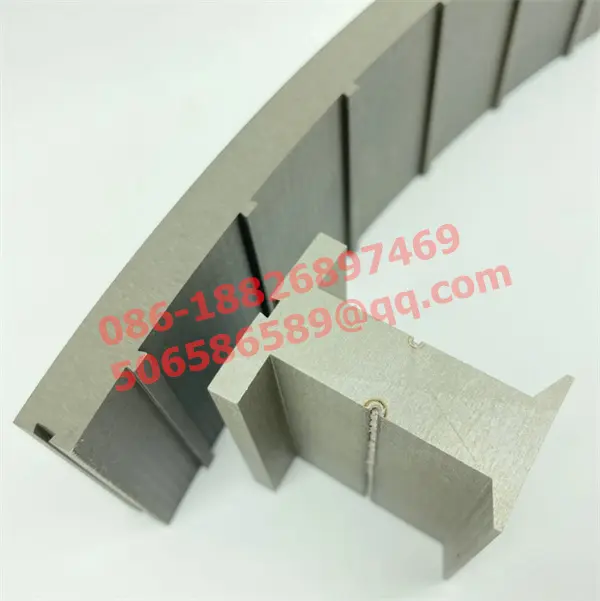
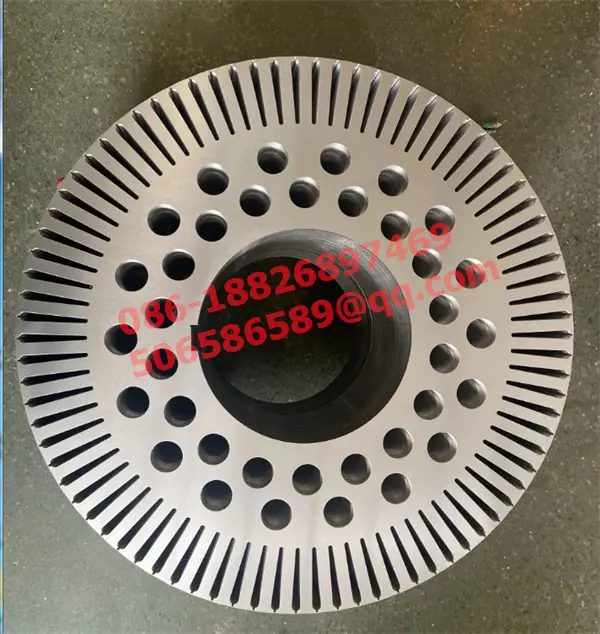
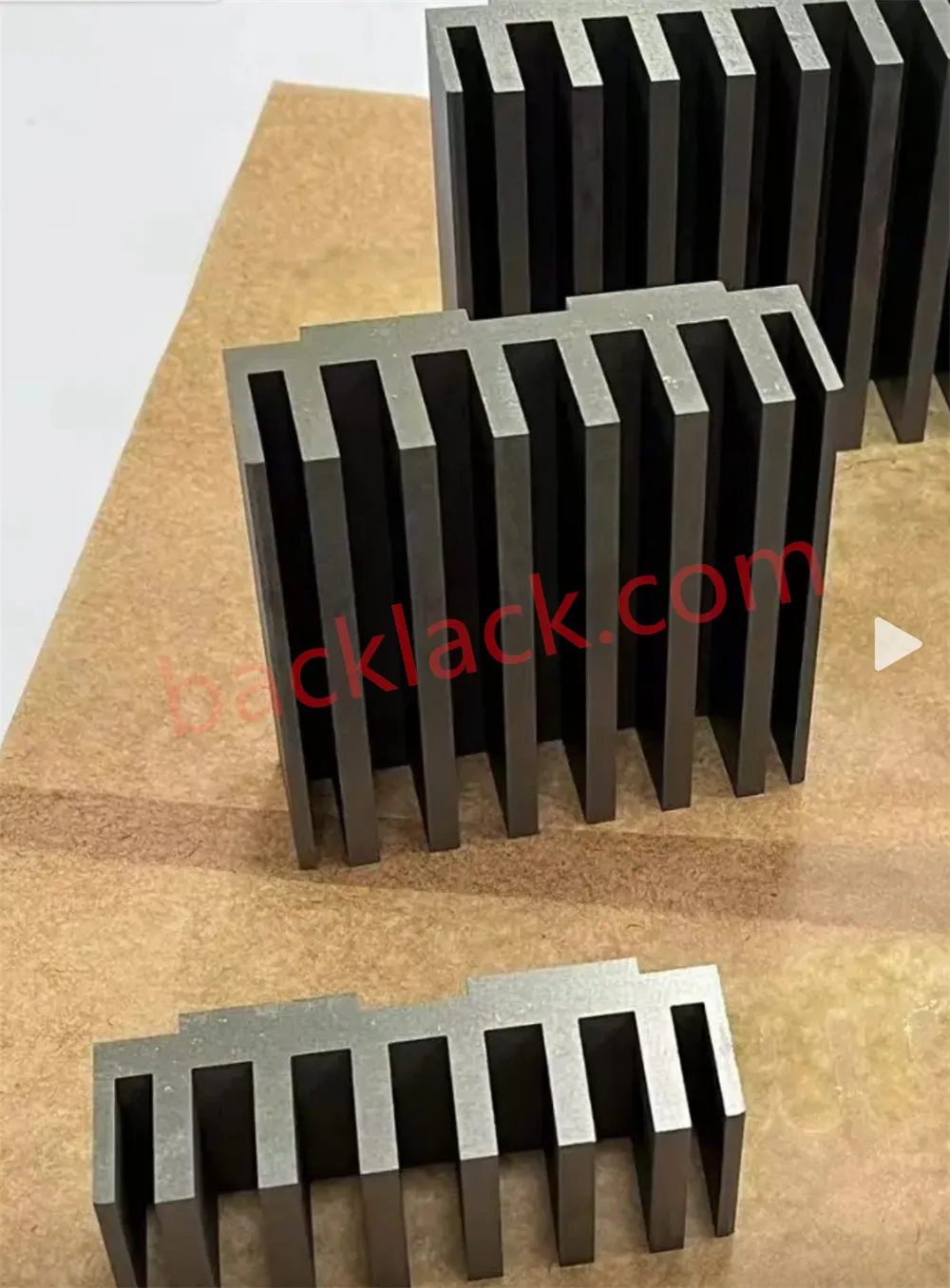
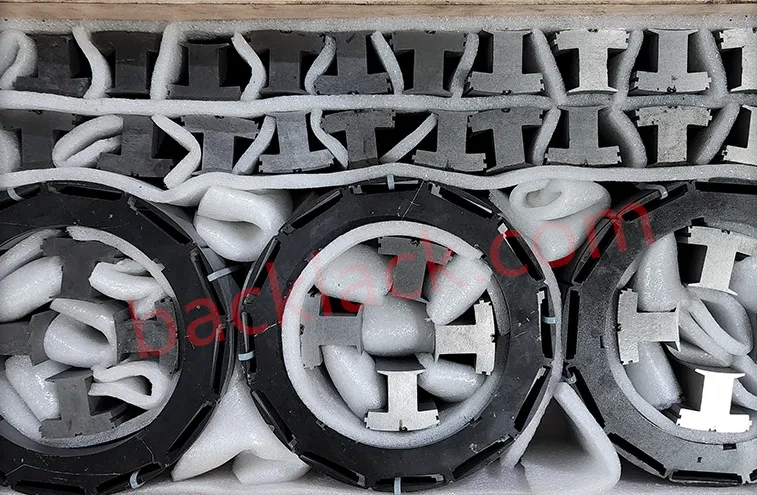
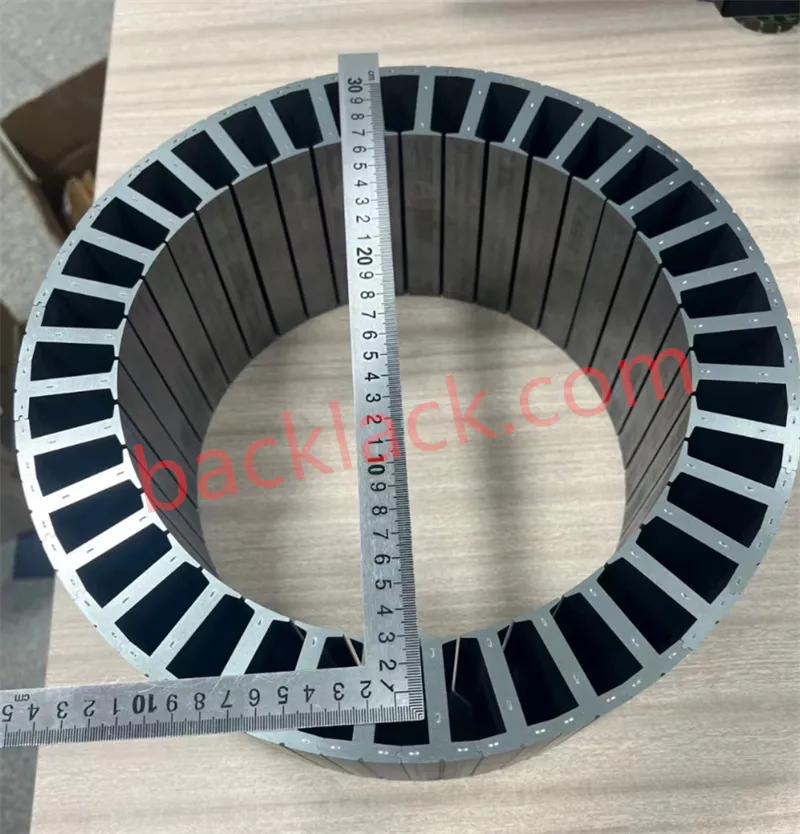
Quality Control For Segmented Stator Lamination and T-Segment Cores

FAQS

Technical answers on In-Die Self-Bonding, Backlack technology, ultra-thin 0.1mm–0.2mm lamination processing, and precision motor core manufacturing.

Ultra-thin silicon steel and high-permeability alloys require extreme mold clearance precision. We utilize carbide progressive dies with shearing clearances kept within 3%–5% of sheet thickness, maintaining stamping burrs within ≤ 5 μm. Coupled with our zero-mechanical-clinching in-die bonding process, we eliminate residual stress and preserve the material's peak magnetic performance.

We utilize an independently developed in-die thermal pressure control system featuring dynamic multi-stage temperature and pressure profiles. This precise activation guarantees a high shear bonding strength of ≥ 12 MPa, ensuring 100% full-interface insulation layer retention with zero risk of inter-lamination micro-short circuits.

Traditional clinching and welding only create localized point connections, leading to vibration and micro-gaps. In-Die Self-Bonding bonds 100% of the lamination surfaces into a homogeneous, highly rigid integrated core. This significantly raises the natural frequency of the stator stack, suppresses high-frequency electromagnetic resonance, and achieves outstanding NVH optimization.

We offer a fast-turn prototyping service with deliveries in 3 to 5 business days using wire-EDM/single-slot punching paired with specialized temperature-controlled bonding fixtures. Our engineering team provides full-process DFM manufacturability evaluations to help shorten R&D iteration cycles before mass production.

Every batch undergoes 100% strict QC, including CMM dimensional verification, high-frequency iron loss testing (above 400Hz), and shear strength testing. Stacks are also subjected to thermal shock testing (-40°C to +180°C) to guarantee long-term delamination-free stability under harsh high-speed operating conditions.

Are You Ready to Overcome High-Frequency Loss Bottlenecks & Maximize Motor Power Density?

Start Your Custom In-Die Self-Bonding Motor Core Project Today

Looking for a trusted precision motor core manufacturer in China specializing in In-Die Self-Bonding technology, 0.10mm–0.20mm ultra-thin Backlack lamination stacks, high-frequency low-loss stators, and carbide progressive stamping? Look no further! Whether you are engineering high-speed motors for EV traction, drone propulsion, semiconductor wafer handling, or high-end medical robotics, Youyou Company delivers tailored, high-performance soft magnetic core solutions optimized for ultimate electromagnetic efficiency and structural rigidity.

Contact our engineering team today to get a 3–5 day rapid prototyping quote and DFM design evaluation for your custom Backlack motor core project!

Get Your Custom Quote Now