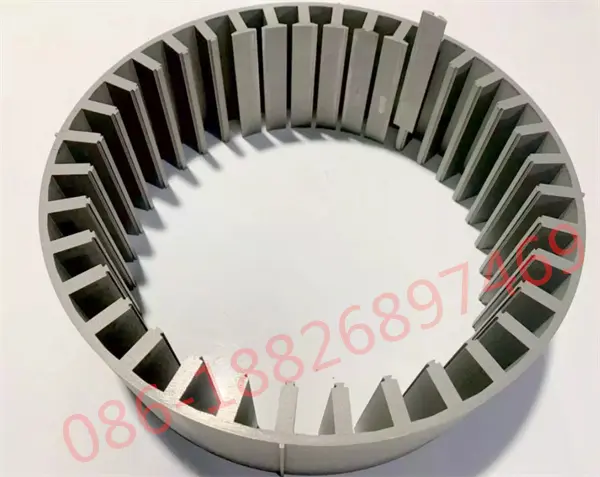
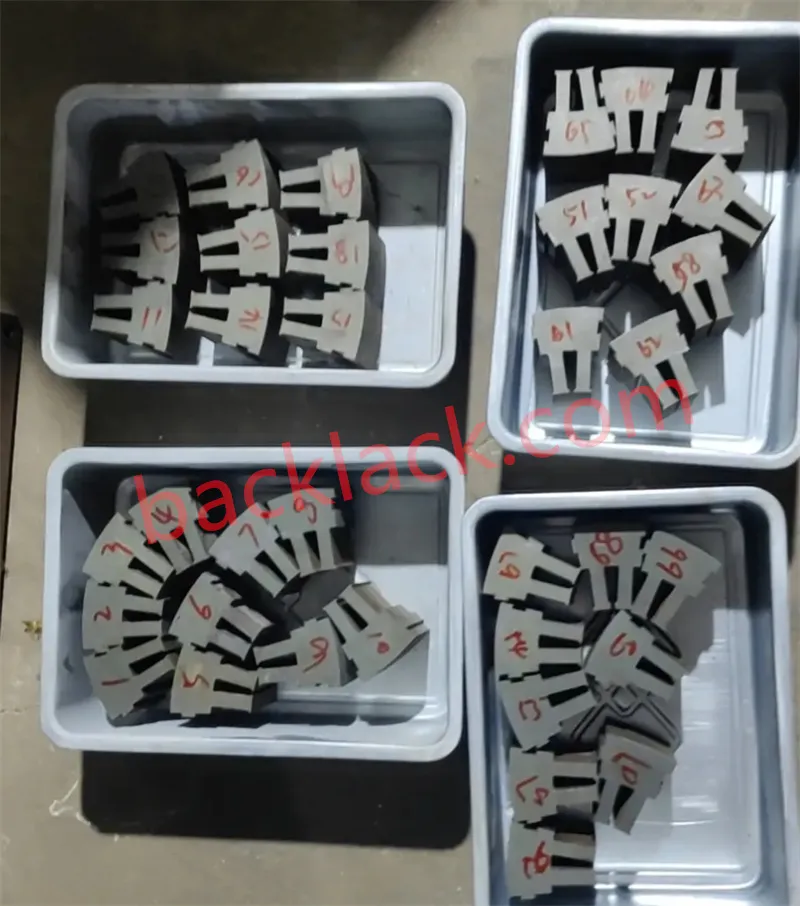
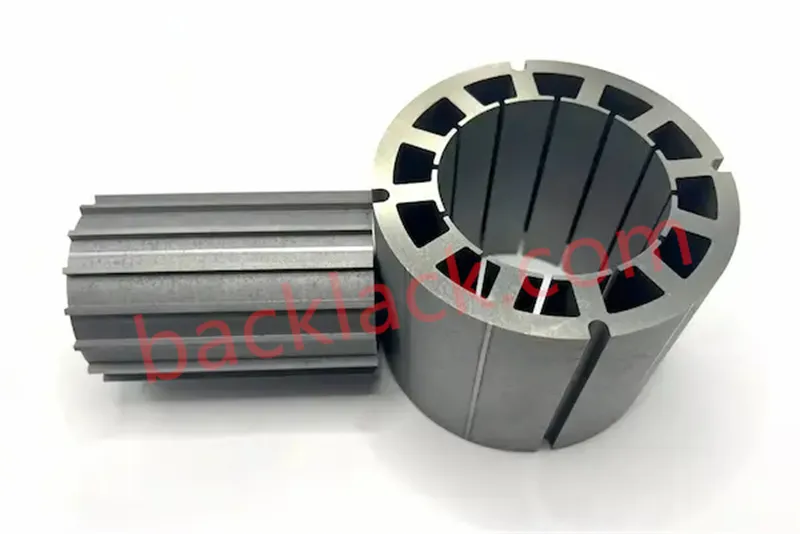
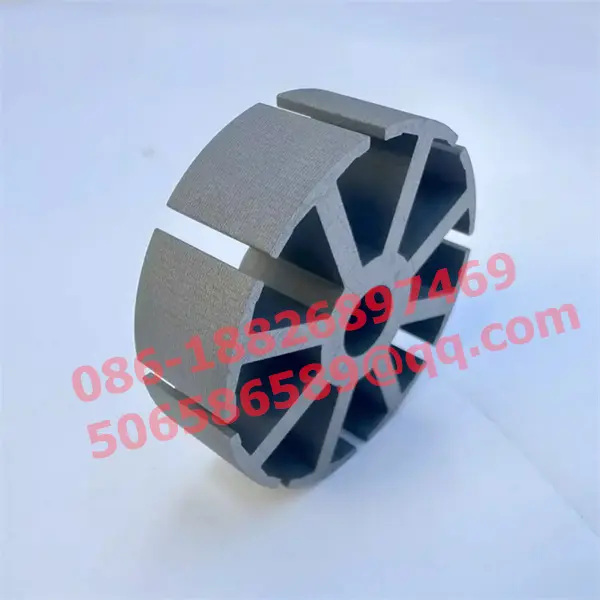
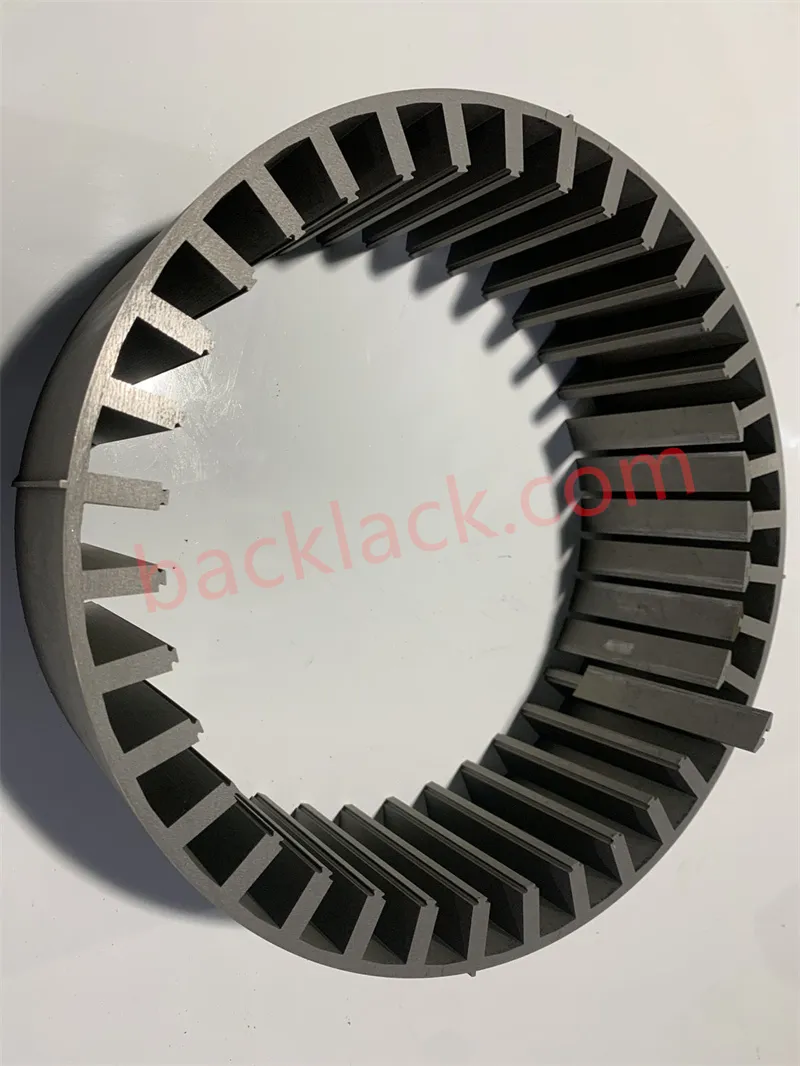
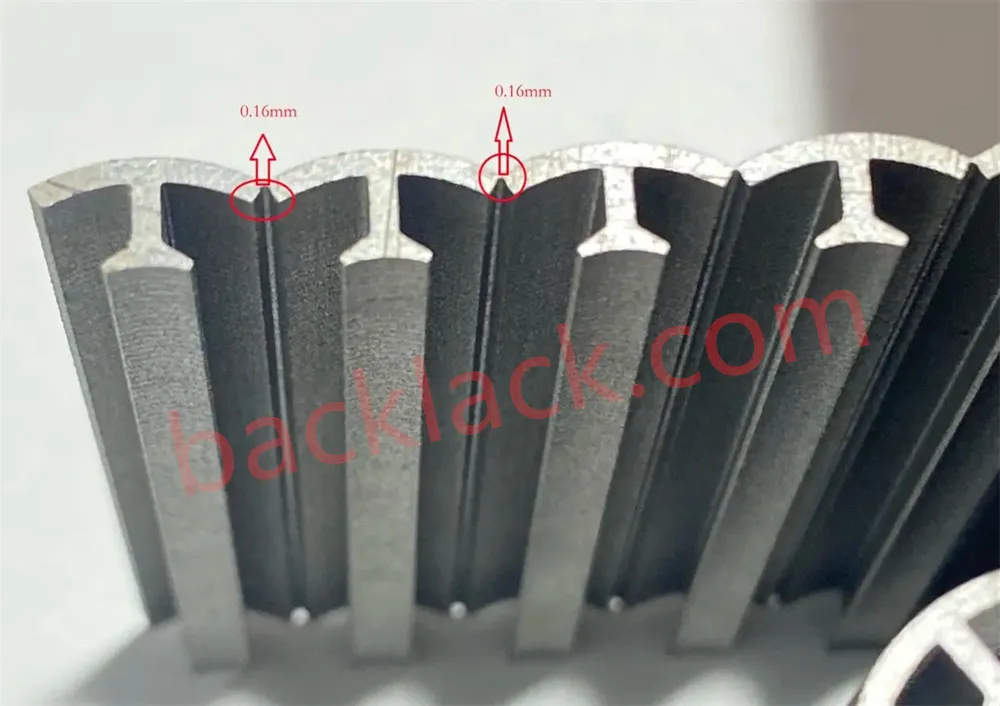
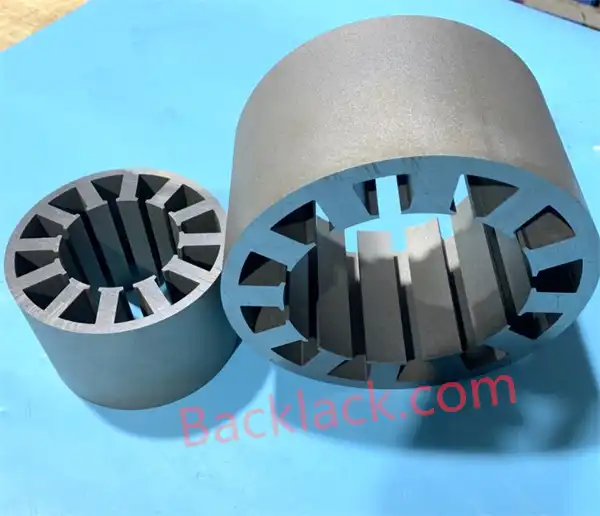
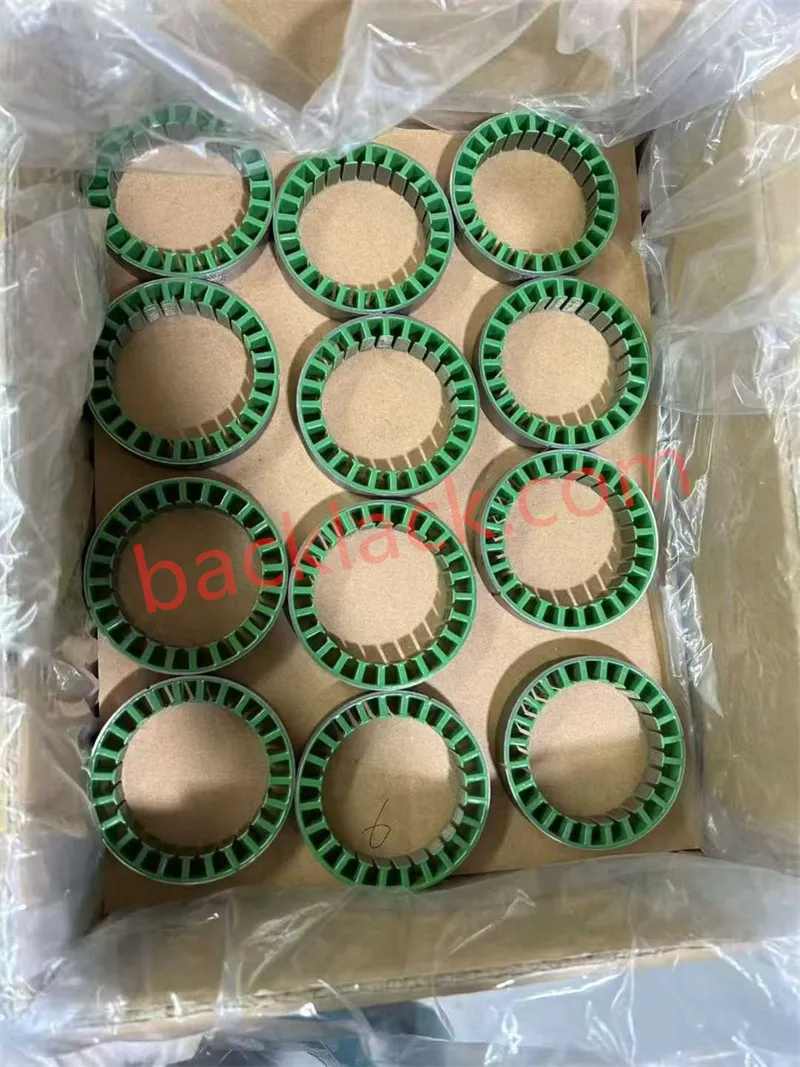
I. Core Material: The "Superpowers" and "Challenges" of Vacodur 49
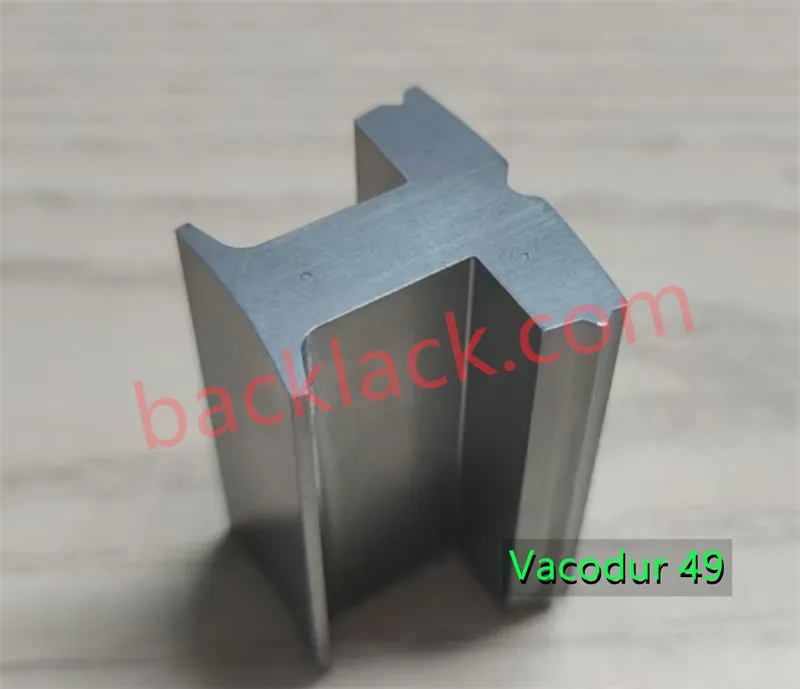
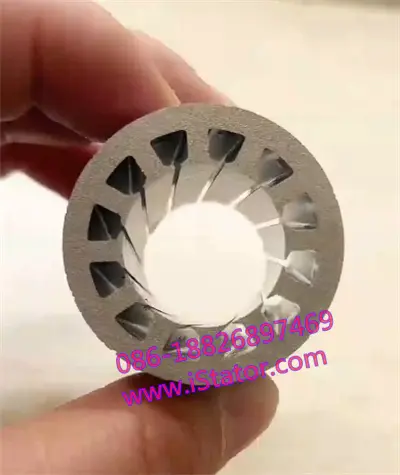
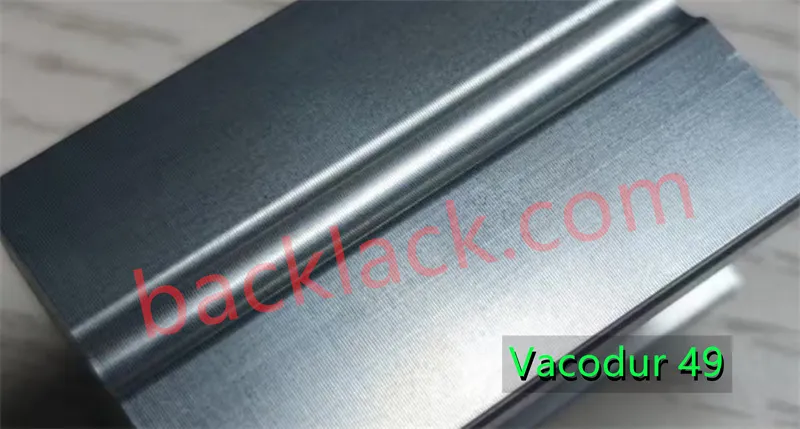
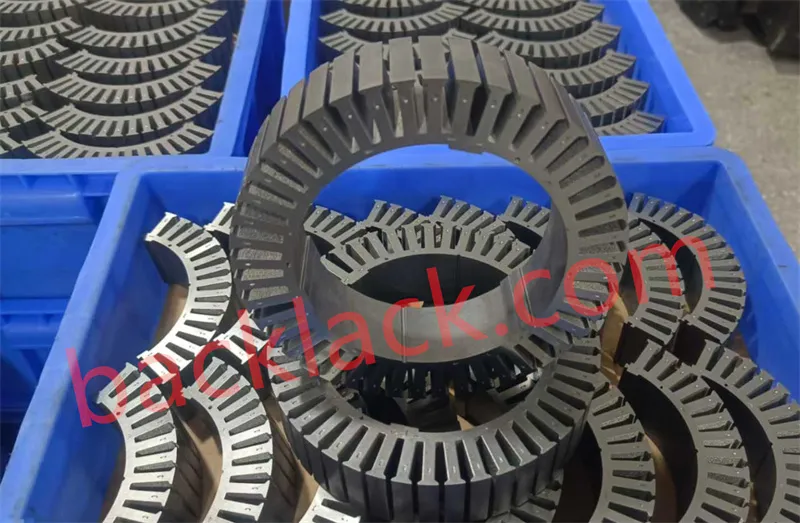
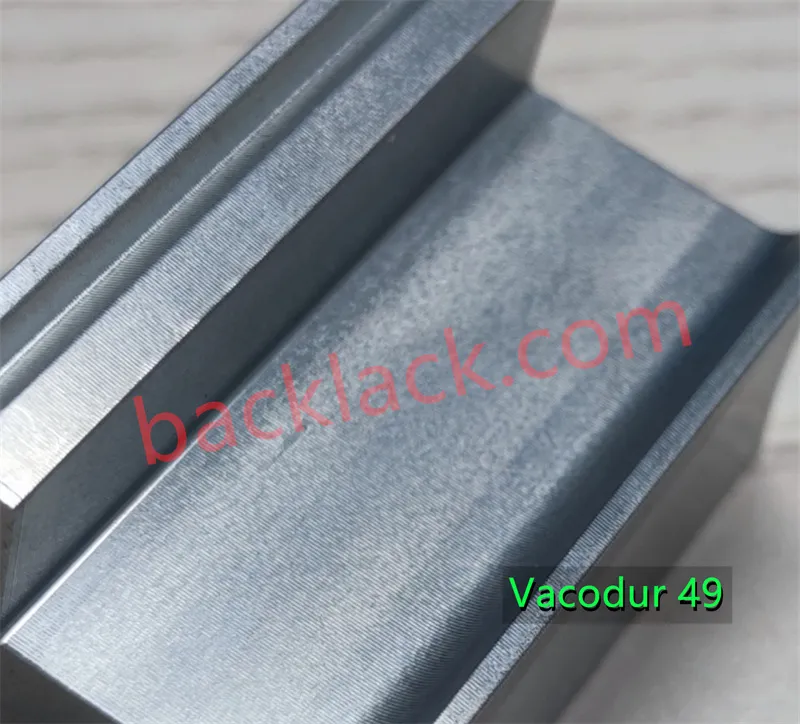
Vacodur 49 is a high-performance soft magnetic cobalt-iron alloy and one of the commercial materials with the highest magnetic saturation performance available today. It is engineered specifically to meet the rigorous demands of high-end electrical equipment such as eVTOL, F1 electric drives, and high-frequency spindles. However, compared with conventional silicon steel (e.g., NO20 or 10JNEX900), it poses far greater processing challenges. To maximize its application value, it is essential to fully leverage its "superpowers" while precisely addressing its inherent "challenges".
1. Unmatched Magnetic Saturation
Magnetic saturation performance is Vacodur 49’s core advantage and the key to meeting the "20% torque boost without volume increase" requirement. The saturation magnetic induction (Bₛ) of conventional silicon steel is typically around 1.6T, while that of Vacodur 49 reaches an impressive 2.30T. This means that with the same excitation current, motors using Vacodur 49 can generate a much stronger magnetic field, leading to a significant torque increase without expanding the motor volume. It is thus the perfect fit for the development trend of miniaturization and high power in high-end motors.
2. Stress Sensitivity – The Most Critical "Challenge"
Key Note: Without effective heat treatment, Vacodur 49’s coercivity will rise sharply and iron loss may even double, directly affecting motor efficiency and service life.
This is the most important consideration in Vacodur 49 processing and a core pain point often overlooked by many engineers. Vacodur 49 generates substantial internal stress during stamping. Without effective heat treatment, its coercivity will rise sharply and iron loss may even double, directly causing reduced motor efficiency, excessive heating, and failure to unleash the material’s inherent magnetic performance. Therefore, a precision heat treatment process is the fundamental prerequisite for unlocking Vacodur 49’s full potential.
3. Trade-off in Yield Strength – Custom Optimization for Integrated Adaptation
Through precise annealing curve control at Youyou Company, we can achieve distinct physical properties on a single core, fully exploiting Vacodur 49’s application flexibility to meet the different requirements of motor stators and rotors:
- Magnetically optimized annealing: Prioritizes ultra-high magnetic permeability and reduced iron loss, ideal for motor stators to ensure efficient and stable magnetic field conduction.
- Strength-optimized annealing: Enables Vacodur 49 to achieve a yield strength of over 400 MPa through precise control of annealing parameters, suitable for high-speed rotors to effectively prevent centrifugal deformation during high-speed rotation and ensure stable motor operation.
In addition, Vacodur 49 boasts low electrical resistivity (only 0.42 µΩm) and a high Curie temperature (950°C). It maintains stable magnetic and mechanical performance even in extreme operating conditions such as high frequency (> 800Hz) and high temperature, making it further suitable for harsh scenarios like eVTOL and high-frequency spindles.
II. Why Backlack Is the Only Viable Solution for Vacodur 49?
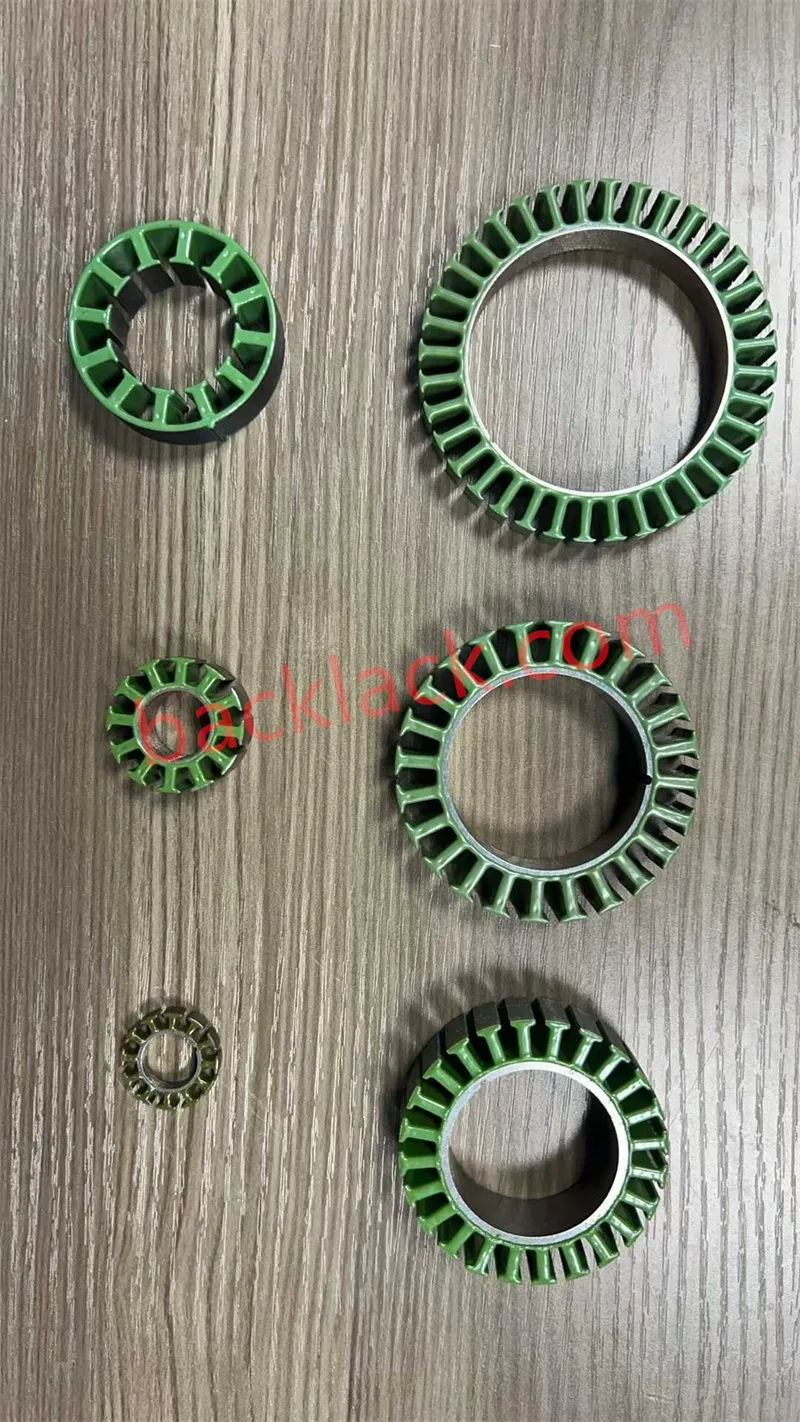
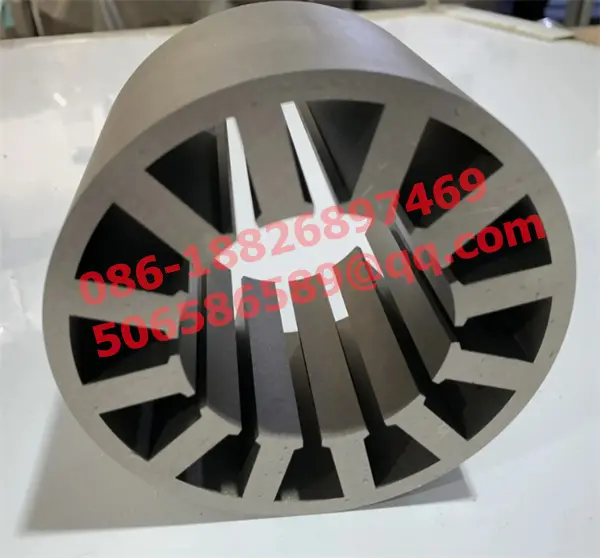
In practical engineering applications, many customers ask: Can traditional welding or riveting be used for assembling Vacodur 49 laminations? As a manufacturer with rich engineering experience, Youyou Company’s answer is clear: For Vacodur 49, welding and riveting are almost performance killers, while the Backlack (self-bonding) process is the only assembly method that perfectly matches Vacodur 49 and maximizes its performance. The specific reasons are as follows:
1. Eliminating Short-Circuit Points and Eddy Current Loss for High-Frequency Scenarios
In high-frequency motors (frequency > 800Hz) such as eVTOL and high-frequency spindles, any welding point or rivet hole will break the interlaminar insulation and form local circulating currents, leading to a sharp increase in eddy current loss. This not only wastes energy but also exacerbates motor heating and shortens service life. Backlack (e.g., EB 549 and other self-bonding varnishes) provides a complete, uniform insulation layer for Vacodur 49 laminations with an ultra-thin thickness of 2~4μm, effectively blocking local circulating currents and significantly reducing eddy current loss at high frequencies, ensuring efficient and stable motor operation even at high-speed rotation.
2. Ensuring Perfect Geometric Accuracy and Dynamic Balance to Reduce NVH Risks
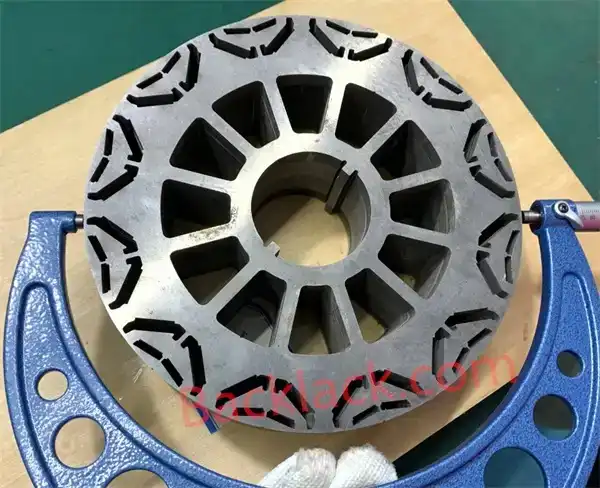
Vacodur 49 is often processed into ultra-thin sheets (0.1mm or 0.05mm). Traditional welding and riveting processes tend to cause warping and misalignment of lamination edges, compromising core geometric accuracy. The Backlack process enables one-step forming in a press, controlling the coaxiality and roundness errors of the core to the μm level. This ultra-high geometric accuracy is crucial for reducing motor vibration (NVH), making it particularly suitable for scenarios with strict requirements for operational smoothness such as F1 electric drives and high-frequency spindles.
3. Enhancing Thermal Conductivity to Extend Motor Service Life
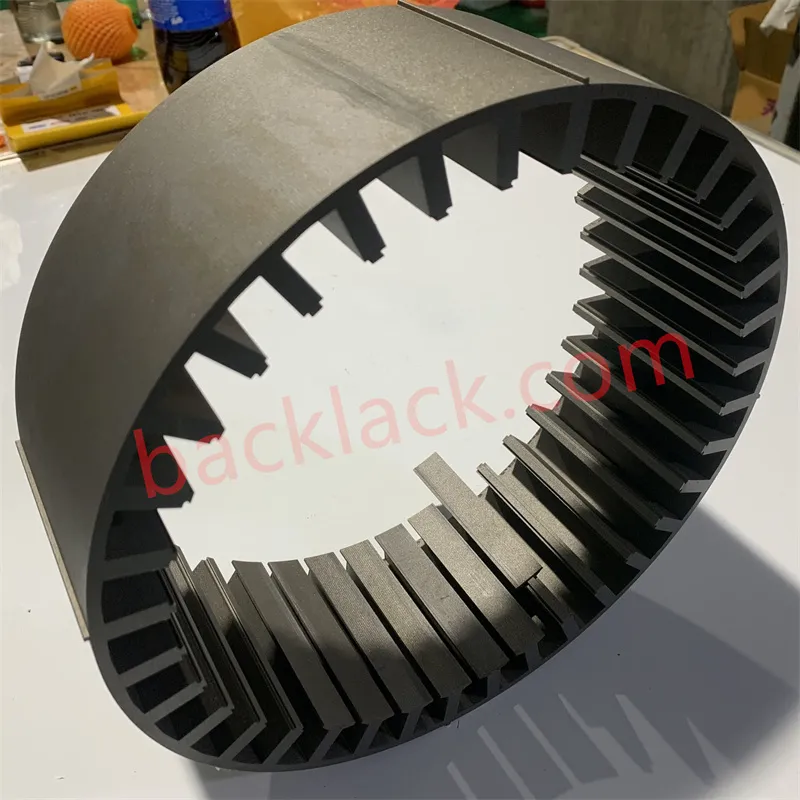
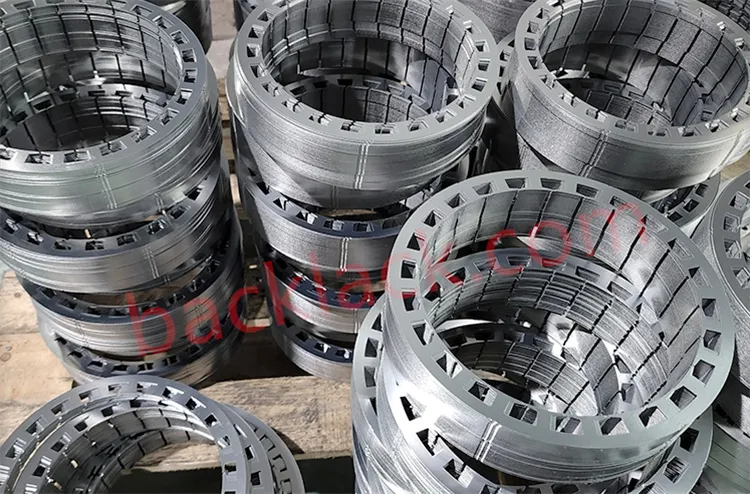
Traditional notched core assembly leaves numerous air gaps between laminations. Air has high thermal resistance, preventing the rapid dissipation of heat generated during motor operation. Accumulated heat accelerates the aging of motor components and shortens service life. The resin layer of Backlack fully fills the gaps between laminations, forming a robust integrated thermal conductor. Heat can be more effectively transferred from the stator to the housing oil channel for rapid heat dissipation, ensuring long-term stable motor operation.
III. Youyou Company’s Engineering Implementation Capabilities
Youyou Company: Your Trusted Partner for Custom High-Performance Motor Cores, Providing Full-Process Engineering Solutions from Design to Mass Production.
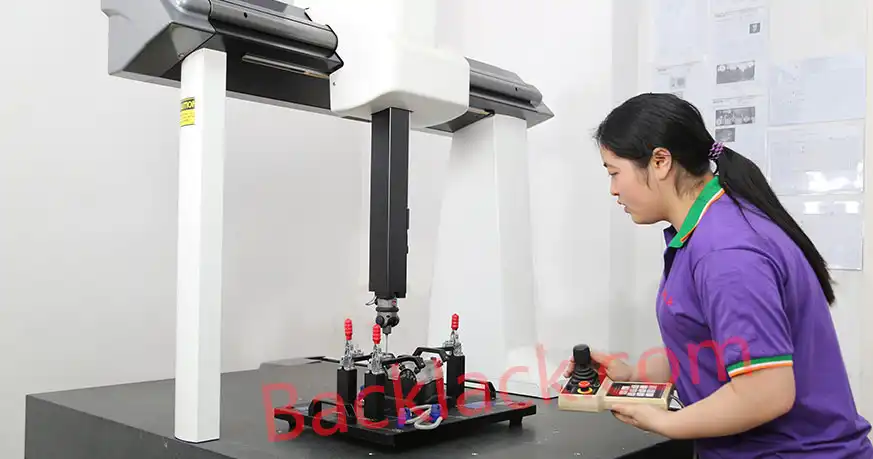
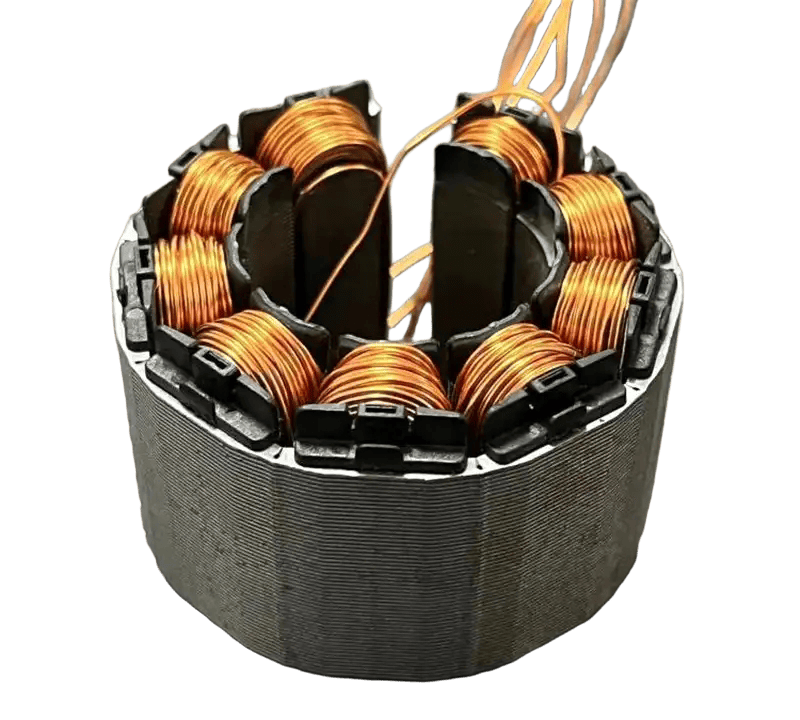
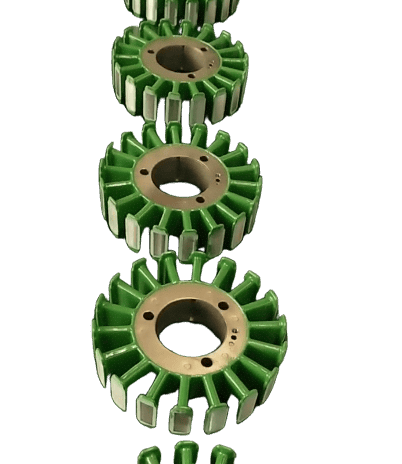
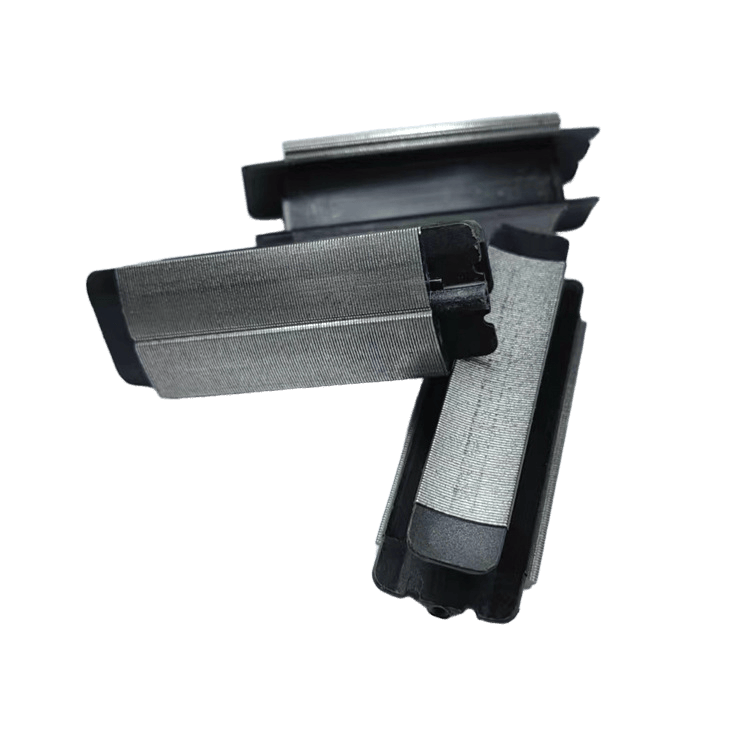
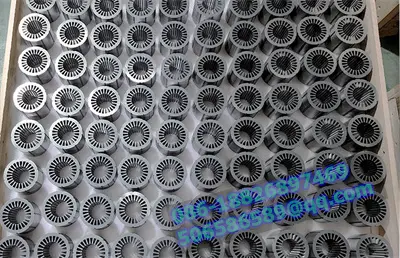
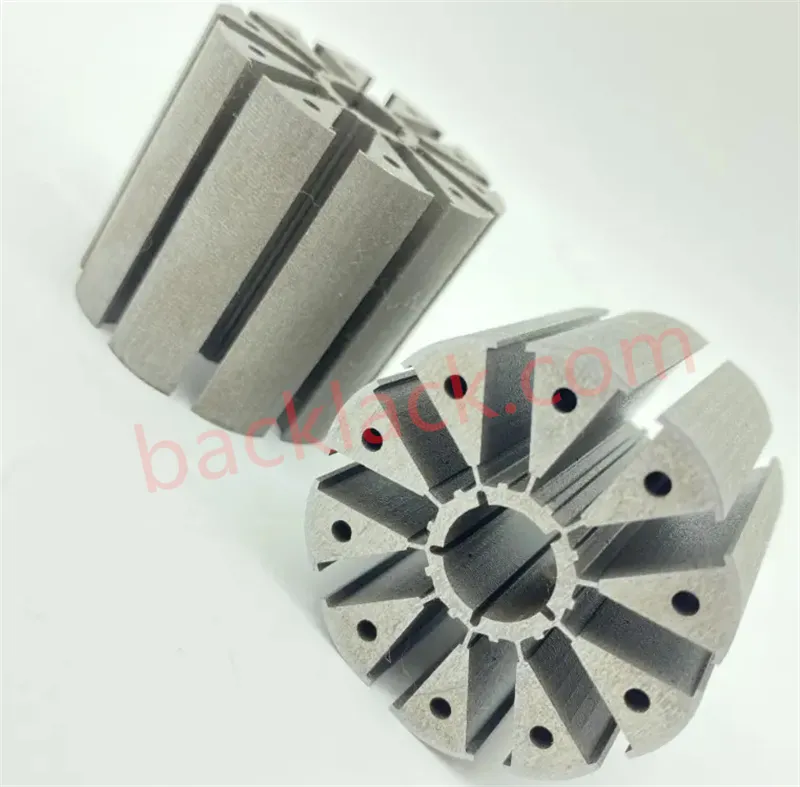
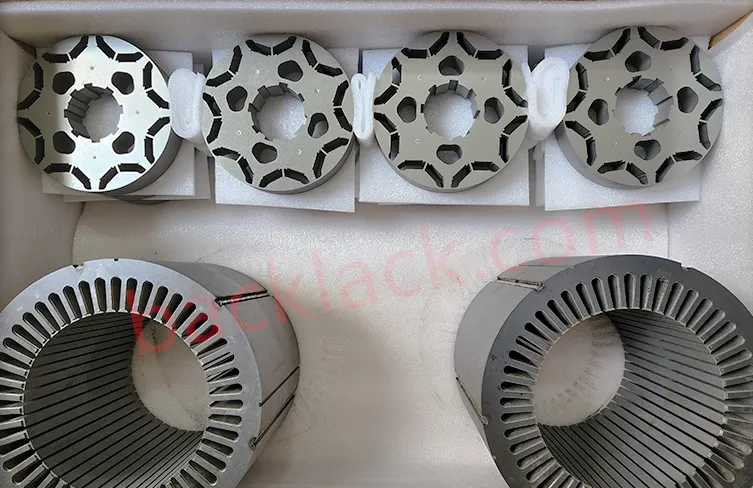
As a specialist in custom high-performance motor cores, Youyou Company not only provides core products combining Vacodur 49 and Backlack but also offers a complete engineering delivery framework. We control quality throughout the entire process from material processing and heat treatment to assembly and curing, ensuring every batch of products meets the design requirements of high-end motors and helping customers achieve a seamless transition from theoretical design to mass production. Our core engineering capabilities are reflected in the following three aspects:
1. High-Precision Stamping and Laser Cutting – Mastering the First Step of Processing
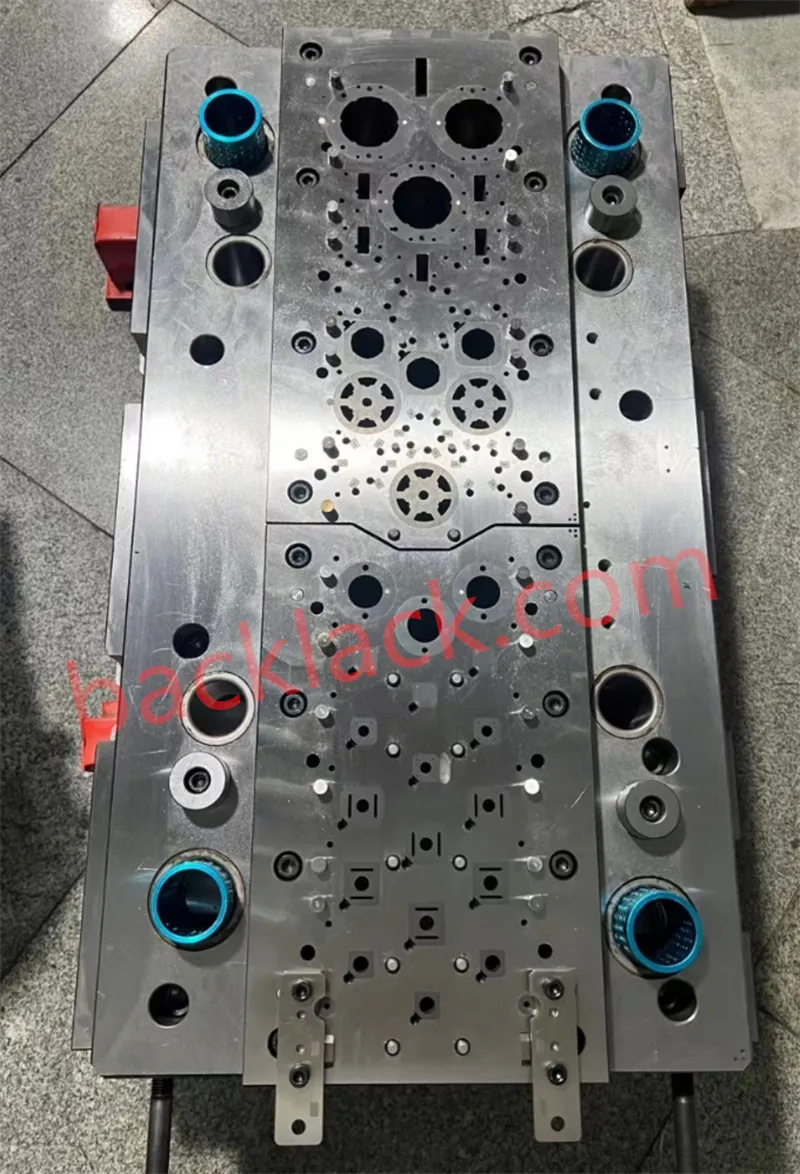
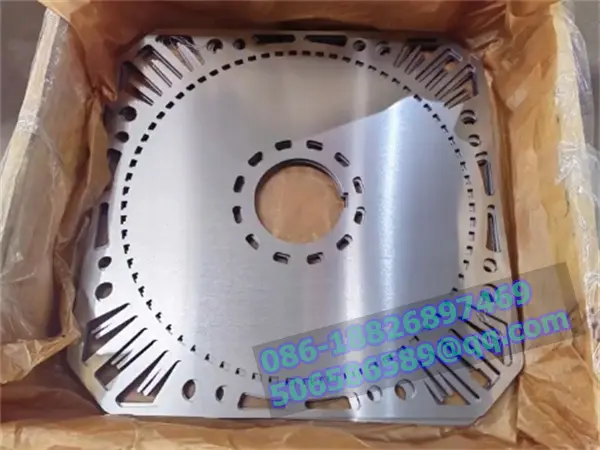
As a cobalt-iron alloy, Vacodur 49 has high hardness and places extremely high demands on processing accuracy and molds. Youyou Company has extensive experience in processing Vacodur 49 thin strips of various specifications from 0.05mm to 0.35mm, capable of completing precise stamping or laser cutting according to customers’ motor design requirements. Meanwhile, we use special tungsten steel molds to effectively extend mold life and strictly control stamping edge burrs to < 0.01mm, preventing burrs from affecting lamination fit and insulation performance and laying a solid foundation for subsequent Backlack bonding and magnetic performance exertion.
2. Closed-Loop Annealing Process – The Core Guarantee for Stable Magnetic Performance
Addressing the high stress sensitivity of Vacodur 49, Youyou Company adopts a closed-loop vacuum annealing process, performing annealing treatment in a pure hydrogen environment with a typical annealing duration of more than 10 hours to ensure complete release of internal stress. Our temperature control error is precisely limited to ±2°C, the core factor for ensuring the consistency of Vacodur 49’s magnetic performance. Additionally, special surface protection treatment is applied to prevent oxidation and spalling of the material during high-temperature annealing, ensuring the adhesion of the subsequent Backlack bonding layer and avoiding issues such as poor bonding and delamination.
3. Backlack Curing Process Monitoring – Precise Control for Guaranteed Quality
Backlack self-bonding is not a simple heating process; its curing process directly affects the core’s bonding strength, stacking factor, and magnetic performance. Youyou Company adopts a "step-by-step pressure boost" curing process with real-time monitoring throughout to ensure precise control of every step:
- Preheating stage: Precisely control temperature to activate the viscosity of Backlack adhesive, preparing for subsequent lamination bonding.
- High-pressure curing: Apply uniform high pressure to ensure tight lamination fit with a stacking factor > 97%, maximizing magnetic conduction efficiency.
- Cooling and shaping: Slow cooling to prevent residual stress inside the core, ensuring the geometric accuracy and magnetic performance stability of the core.
IV. Performance Test Comparison (Data Speaks)
To intuitively demonstrate the performance advantages of the Vacodur 49 + Backlack combination, Youyou Company conducted laboratory tests on an eVTOL propulsion motor, comparing the traditional silicon steel process (35W300 + riveting) with our custom Vacodur 49 + Backlack process. The specific test data is shown in the table below, proving its performance advantages with real figures:
| Test Item | 35W300 + Riveting (Traditional Process) | Vacodur 49 + Backlack (Youyou Custom) |
|---|---|---|
| Stator Outer Diameter | 150mm | 150mm |
| Peak Flux Density | 1.65T | 2.28T |
| Interlaminar Resistance | Volatile | Extremely high and stable |
| Tooth Rigidity | Prone to vibration | Ultra-high (similar to solid steel) |
| Total Motor Weight | 12.5kg | 9.2kg (26% weight reduction) |
The test data clearly shows that with the same stator outer diameter (no volume increase), Youyou Company’s custom Vacodur 49 + Backlack process not only increases the peak flux density by more than 40% but also achieves a 26% weight reduction. At the same time, it features stable interlaminar resistance and ultra-high tooth rigidity, effectively solving the pain points of traditional processes and perfectly meeting the core requirements of eVTOL propulsion motors for miniaturization, high power, and high stability.
V. Recommendations for Engineers: How to Optimize Your Costs?
While the Vacodur 49 + Backlack combination delivers outstanding performance and helps engineers break through design bottlenecks, its cost is relatively higher than that of traditional silicon steel processes. As a trusted partner specializing in custom high-performance motor cores, Youyou Company provides the following two cost optimization recommendations based on years of engineering experience, helping you reasonably control costs while ensuring performance:
1. Hybrid Material Solution – Precise Material Selection for Maximum Cost-Effectiveness
It is unnecessary to use Vacodur 49 for all motor components. A hybrid material solution can be adopted according to the functional requirements of each motor component: the stator, as the core of magnetic field conduction, uses Vacodur 49 to achieve ultra-high power and efficiency; the rotor can be paired with high-grade silicon steel based on strength requirements to reduce material costs while meeting mechanical strength demands, achieving a balance between performance and cost.
2. Early Involvement in the Design Phase – Avoiding Disconnect Between Theory and Manufacturing to Reduce Trial-and-Error Costs
We recommend that engineers contact Youyou Company at the motor simulation stage (e.g., Maxwell or Ansys). We can provide the actual material B-H curve data of Vacodur 49 to help you conduct more accurate simulation design, avoiding subsequent design modifications and prototype iterations caused by deviations between theoretical data and actual manufacturing. This reduces trial-and-error costs and shortens the project R&D cycle.
Conclusion
In 2026, the design competition for high-performance motors will become increasingly fierce, and the demand for "performance improvement without volume increase" will become the industry norm. The combination of Vacodur 49 and Backlack technology will be the core solution to break through this design bottleneck. Relying on years of engineering practice experience, Youyou Company has achieved the precise implementation of this combination, providing full-process custom services and technical support from material processing and heat treatment to assembly and curing.
If you are engaged in R&D in the field of high-performance motors such as eVTOL, F1 electric drives, and high-frequency spindles, and face challenges in material selection, process implementation, or cost optimization, welcome to contact Youyou Company. We will provide custom core solutions and professional technical guidance tailored to your specific design requirements, helping your motor design reach the industry pinnacle.
Ready to elevate your motor performance?
Are you researching the stator lamination process for propulsion motors in electric vertical takeoff and landing (EVTOL) aircraft?
Request a Technical ConsultationContact us today for a technical consultation and sample evaluation. Our team will work with you to understand your specific requirements, optimize your core design, and deliver a solution that meets your performance, budget, and timeline needs.
About Youyou Technology
With decades of experience in precision motor core manufacturing, we specialize in custom stator and rotor laminations for the most demanding applications. Our capabilities include:
- Material expertise: Silicon steel (0.05mm–0.5mm), amorphous alloys, cobalt-iron alloys, and soft magnetic composites
- Advanced manufacturing: Laser cutting, precision stamping, automated stacking, and specialized coating technologies
- Quality standards: ISO 9001, IATF 16949, and industry-specific certifications
- Global partnerships: Serving leading OEMs in automotive, aerospace, industrial automation, and renewable energy sectors