1. Introduction: Breaking Through in the Motor Efficiency Race
In the context of global energy transition and the accelerated advancement of high-end manufacturing, motors as the core power sources in industrial and transportation sectors are facing unprecedented challenges in efficiency and performance. Whether it is the pursuit of extreme range in new energy vehicles or the stringent requirements for high power density and dynamic response in humanoid robots, the limitations of traditional continuous stator lamination designs in terms of material utilization, thermal bottlenecks, and manufacturing costs are becoming increasingly apparent. Against this industry backdrop, Segmented Stator technology has emerged. It not only breaks the physical constraints of traditional designs but also achieves a dual leap in electromagnetic performance and manufacturing processes through structural innovation, becoming the core solution driving the next-generation motor efficiency revolution.
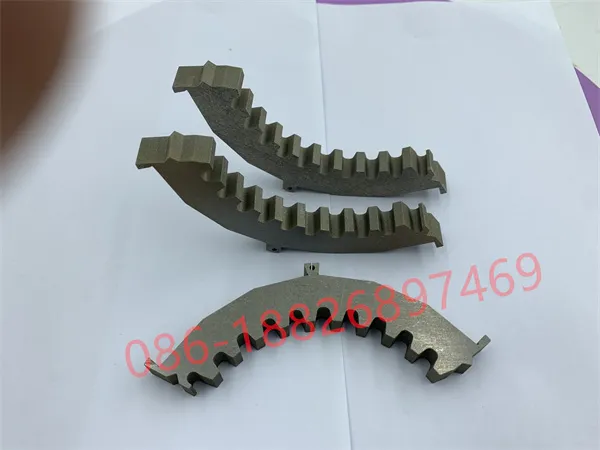
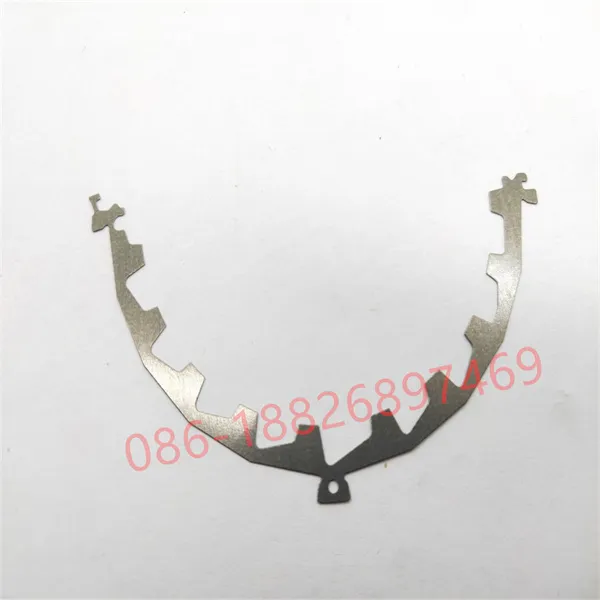
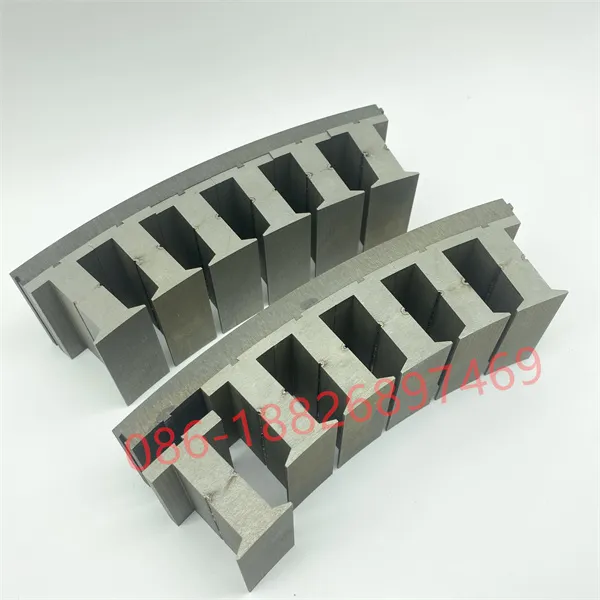
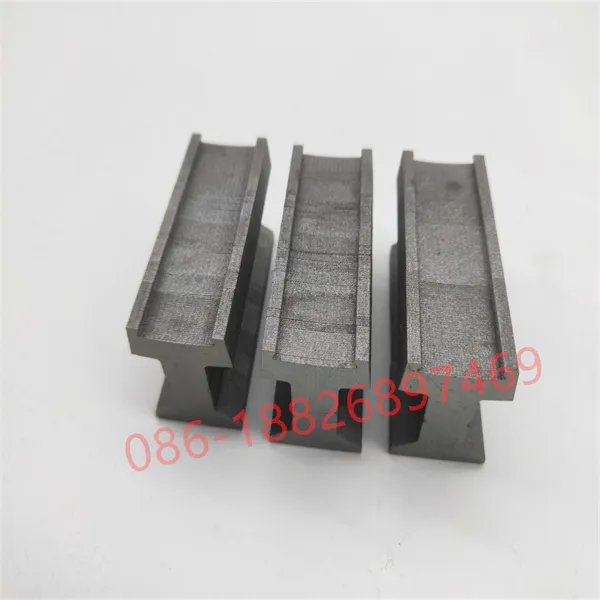
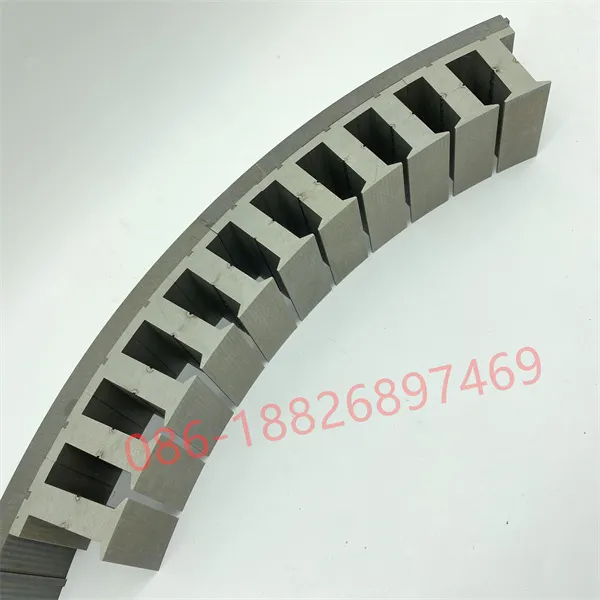
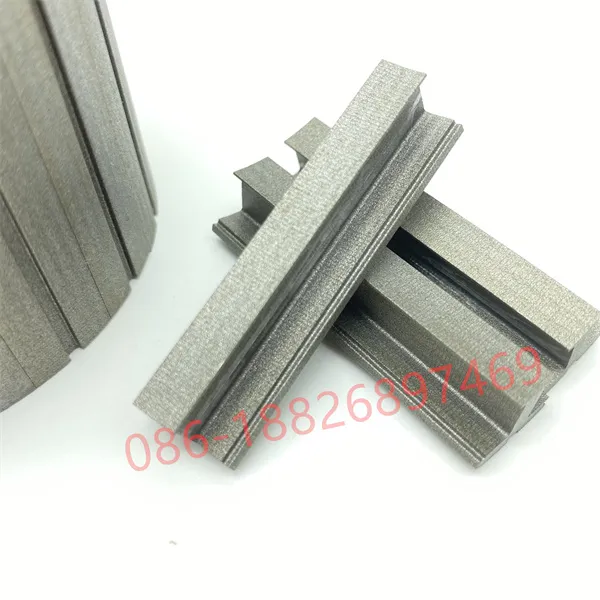
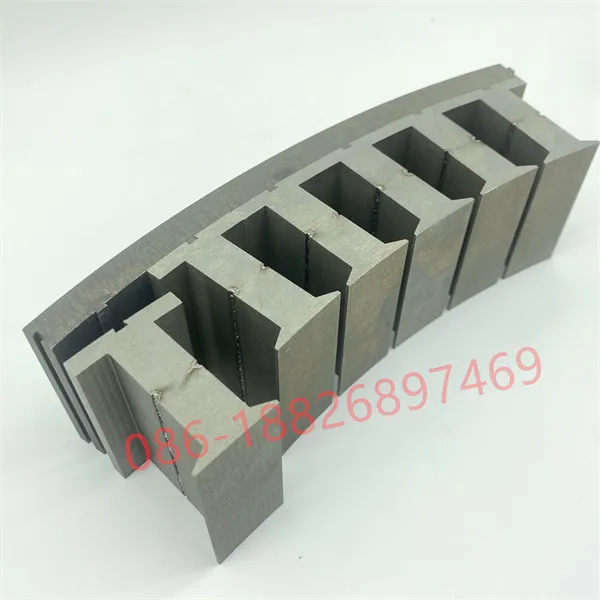
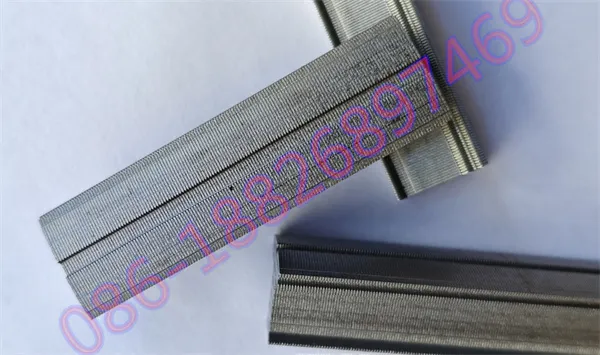
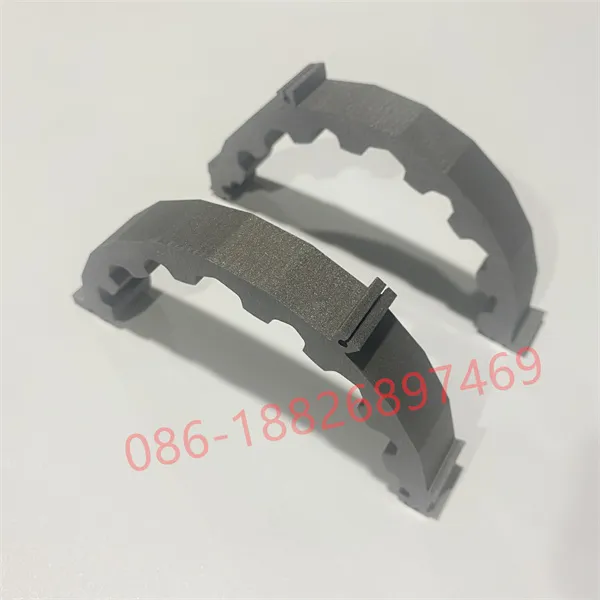
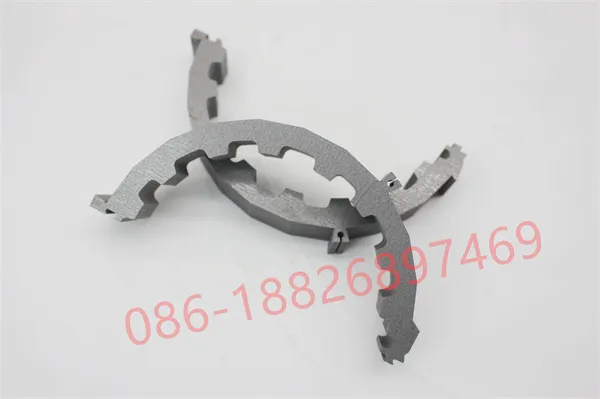
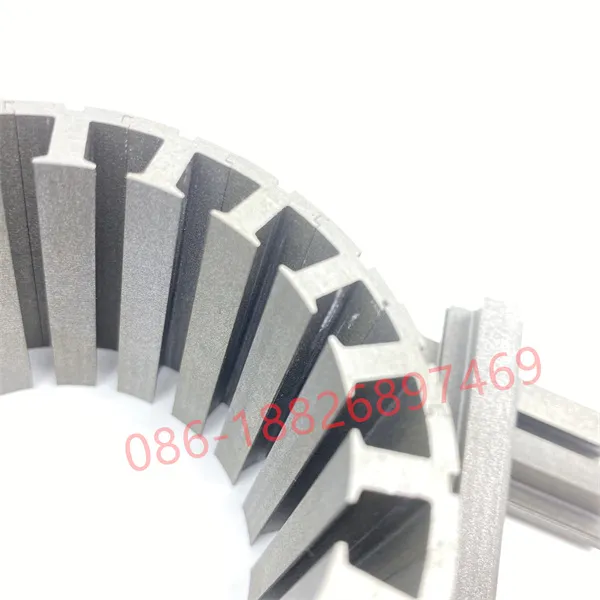
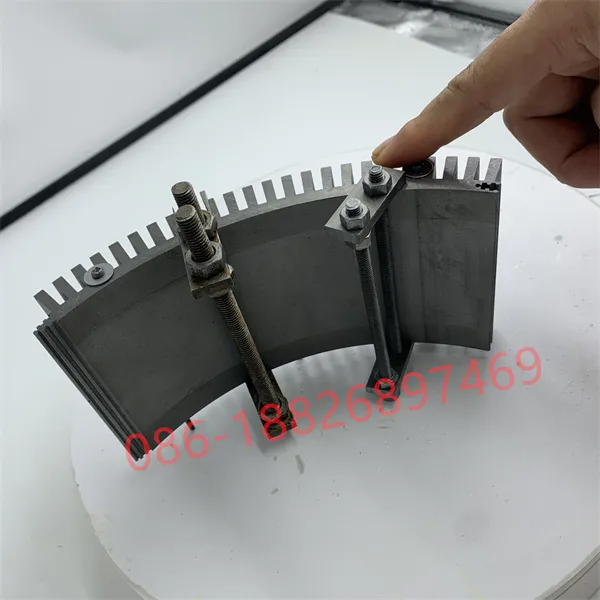
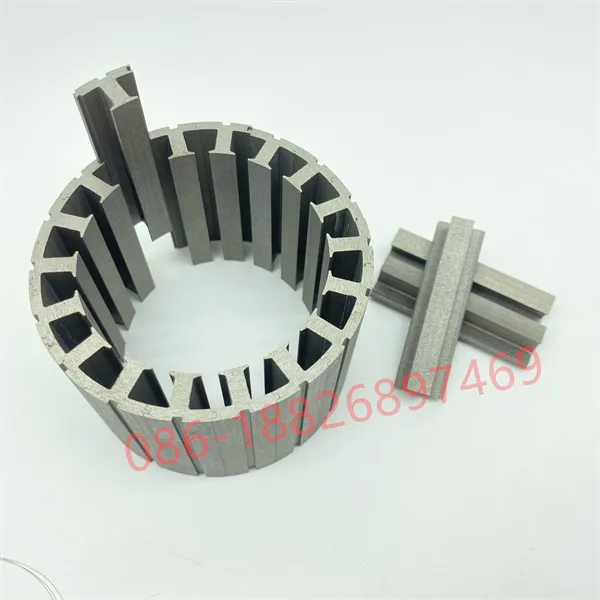
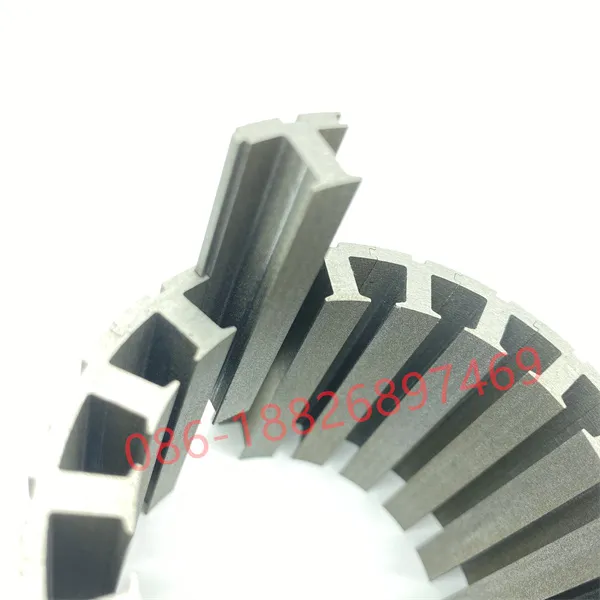
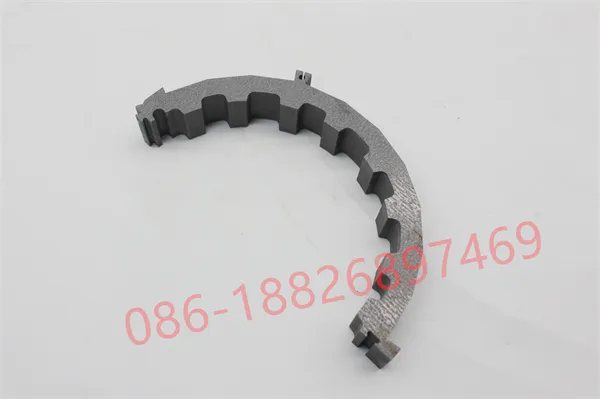
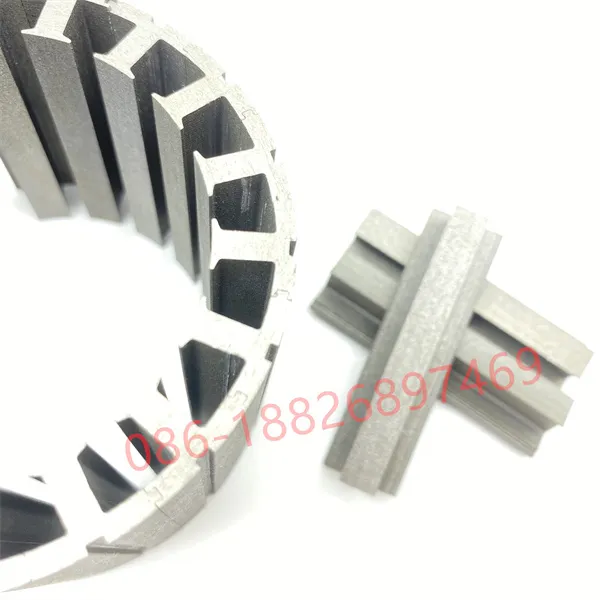
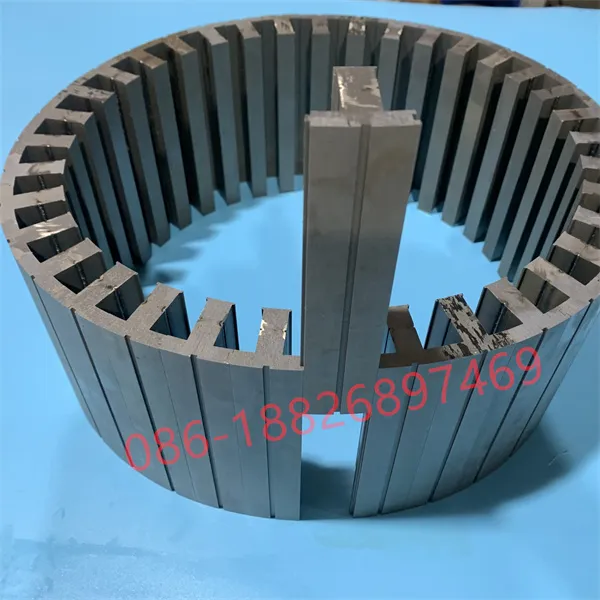
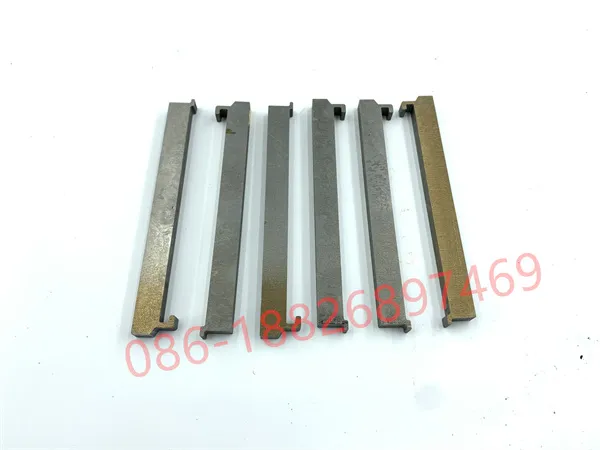
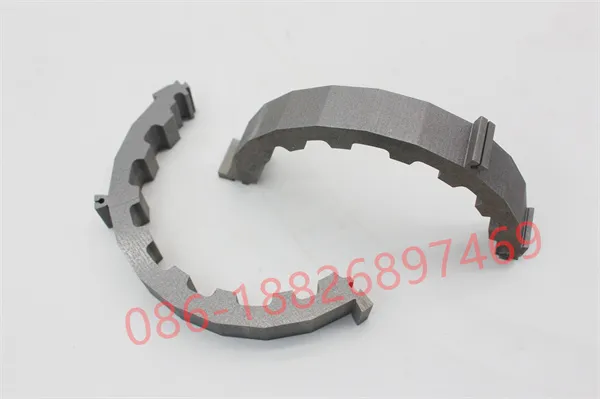
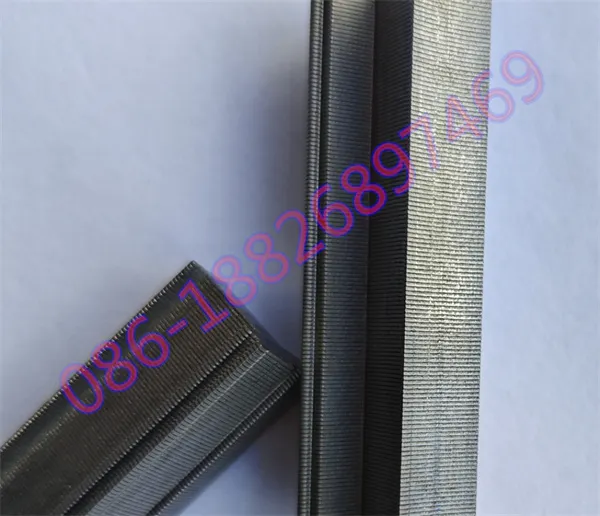
2. What Is a Segmented Stator Lamination?
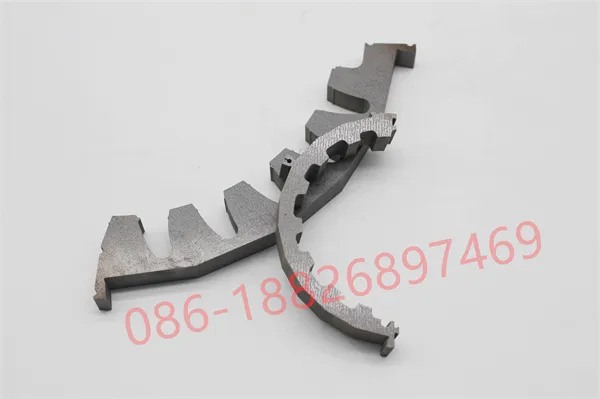
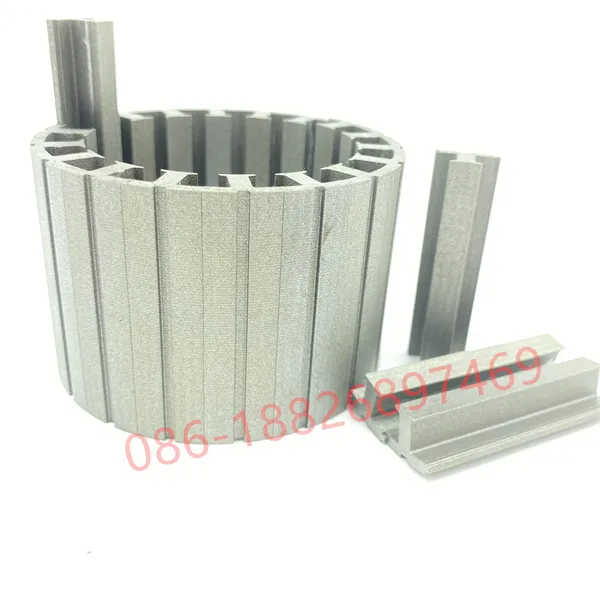
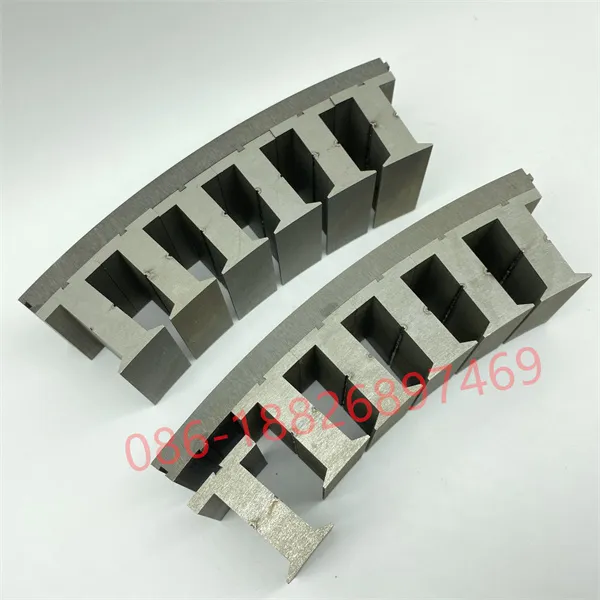
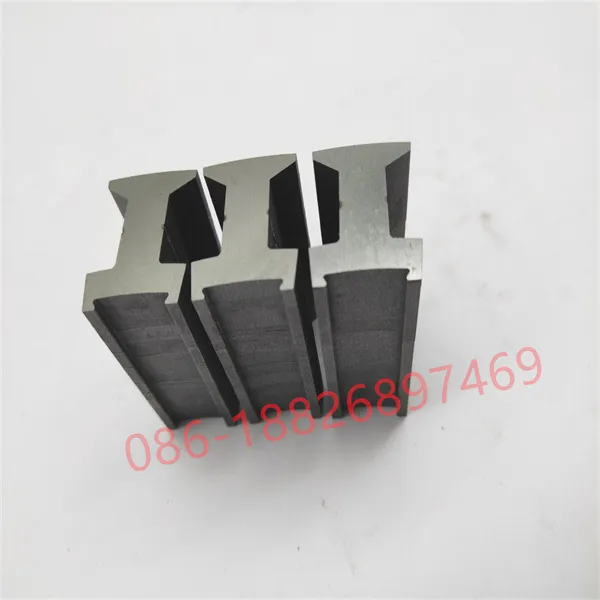
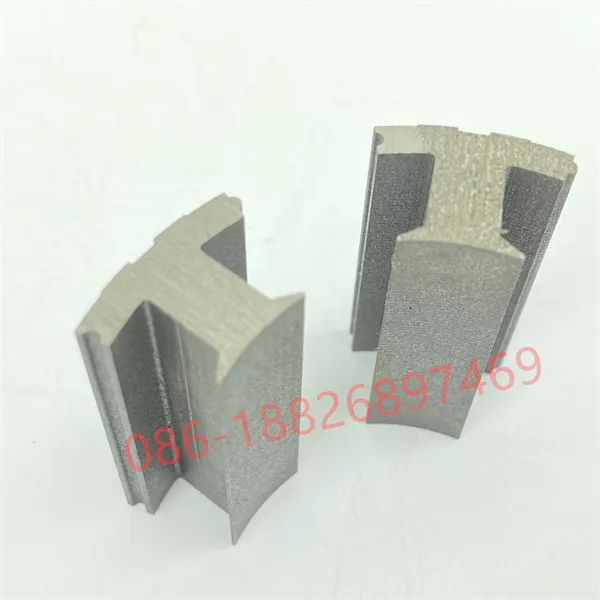
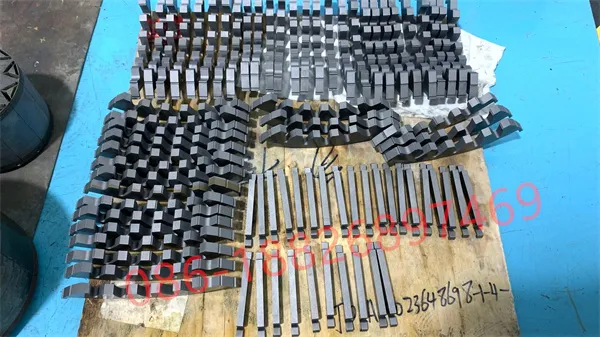
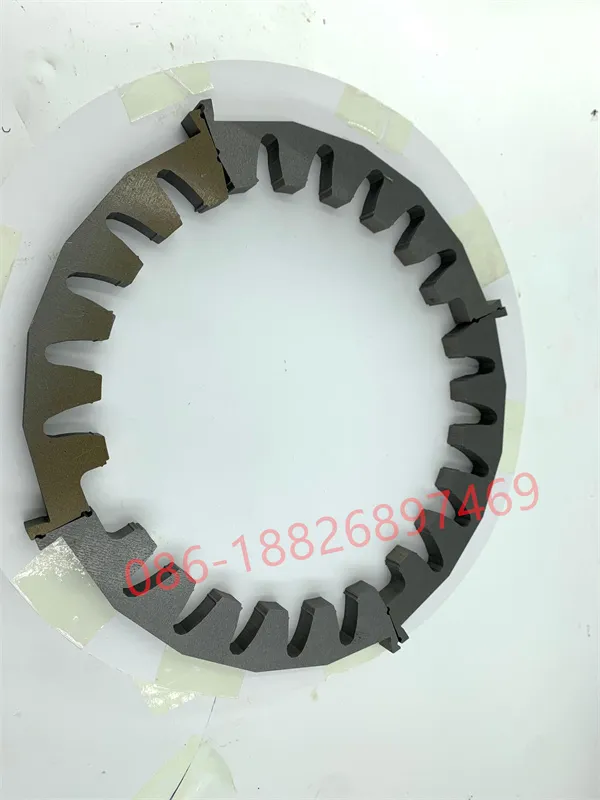
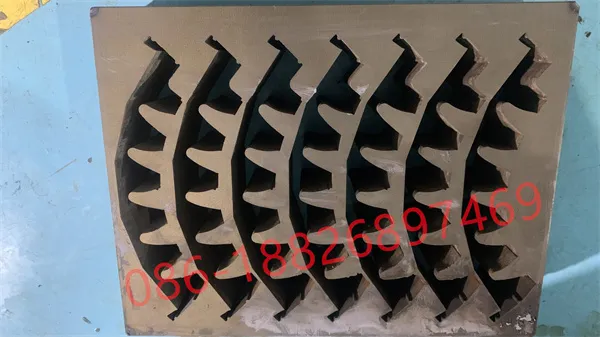
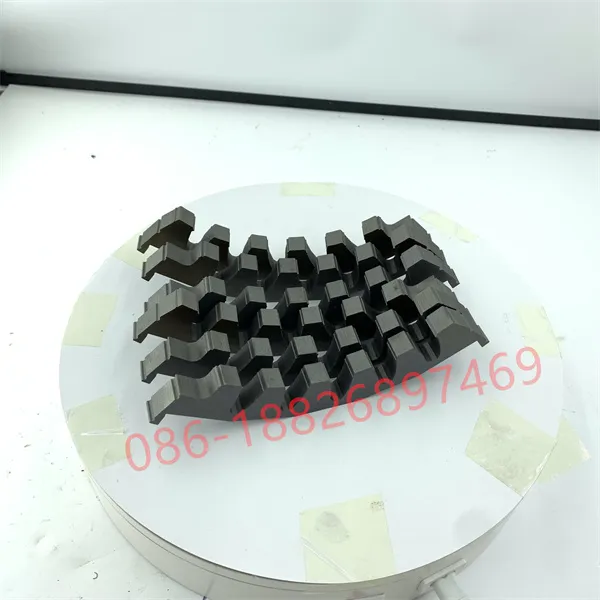
A segmented stator lamination, as the name suggests, divides the traditional continuous ring-shaped stator core into multiple independent segments (segments), with each segment covering only a portion of the stator core circumference. This design is also commonly referred to as T-segment laminations, characterized by a concave inner arc edge that forms multiple independent tooth-slot structures.
Compared with traditional continuous laminations, the segmented design fundamentally changes the coupling between magnetic and mechanical structures. Traditional designs require windings to be threaded through continuous slots, making winding difficult and limiting slot fill factor. In contrast, segmented laminations allow coils to be wound directly onto independent tooth segments, which are then assembled into a complete ring-shaped core stack through dovetail interlocking or welding. This "wind-first, assemble-later" philosophy not only significantly simplifies the winding process but also opens the door to high slot fill factors and high-performance motor manufacturing.
3. Core Technical Advantages of Segmented Stators
Segmented stator laminations stand out in numerous high-performance applications thanks to their comprehensive advantages across electromagnetic, thermal, material, and cost dimensions:
- Improved Efficiency & Reduced Losses: The segmented structure effectively reduces eddy current losses and iron losses within the core. Additionally, the natural gaps between segments increase the heat dissipation area, resulting in lower temperature rise during operation and further improving overall efficiency.
- Optimized Electromagnetic Performance: The independent tooth-segment design enables a more uniform magnetic field distribution, significantly reducing magnetic losses and operational noise. Furthermore, the high slot fill factor improves the motor's power factor and torque density.
- Higher Material Utilization & Cost Reduction: In mass production, segmented cores can achieve efficient material utilization through high-speed progressive stamping dies, significantly reducing silicon steel scrap. For larger diameter core products, the material-saving economic benefits of segmented design are particularly pronounced.
- Enhanced Manufacturing Flexibility & Scalability: For ultra-large motors with diameters exceeding 1260mm or scenarios with special geometric requirements, continuous core machining and transportation are extremely difficult. The segmented design allows motor segments to be produced independently, with torque easily scalable by increasing the number of segments, making ultra-large diameter motors economically viable. Moreover, each segment can produce a tractive force related to magnetic height (e.g., in Schaeffler's solution, magnetic height varies from 25mm to 200mm in 25mm steps, with single-segment thrust ranging from 560N to 4500N), providing great flexibility for customized drives.
4. Manufacturing Process: Precision Engineering from Stamping to Assembly
Manufacturing segmented stator laminations is a highly precise systematic engineering endeavor. Its core processes include:
- High-Speed Stamping & Progressive Forming: Using 25T-300T stamping presses with high-speed progressive stamping dies to achieve efficient forming and inter-layer interlocking of silicon steel sheets. Modern processes can handle silicon steel sheets from 0.1mm to 1mm as well as 25μm amorphous materials, meeting extreme thinning requirements.
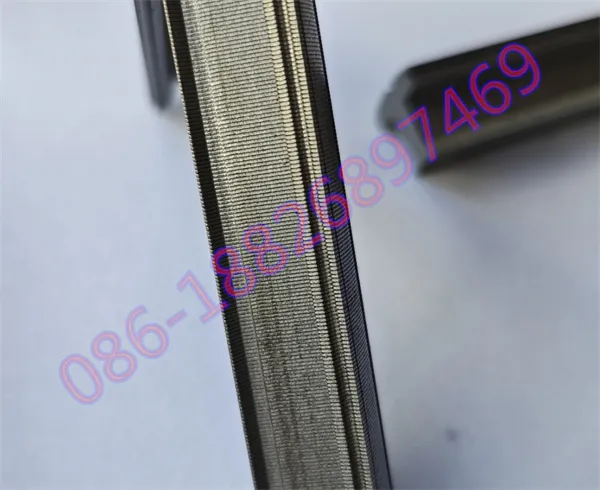
- Self-Bonding Process: To replace traditional riveting or welding, self-bonding coating technology is widely applied in segmented cores. This process cures inter-layer resin through heating and pressing, avoiding mechanical stress damage to the magnetic properties of silicon steel sheets while further reducing iron losses.
- Assembly & Joining: Formed independent tooth segments are assembled into a complete ring-shaped stator through precision dovetail interlocking, or via laser welding, adhesive bonding, and other processes. This modular assembly approach ensures both mechanical strength and coaxiality of the core.
- Prototyping & Special Machining: For small-batch prototyping or special size requirements, laser cutting and wire cutting technologies are widely used for rapid forming, significantly shortening development cycles. Currently, mature segmented core manufacturing capabilities cover diameter ranges from 20mm to 1250mm.
5. Comparison of Three Stator Core Design Routes
In motor design, besides the segmented approach, there are traditional laminated and emerging Sintered Magnetic Compound (SMC) routes. Below is a comprehensive comparison of the three design approaches:
| Comparison Dimension | Traditional Laminated | Segmented | Sintered (SMC) |
|---|---|---|---|
| Structure | Thin silicon steel sheets stacked and bonded, continuous ring | Independent tooth segments assembled into a ring | Soft magnetic composite powder pressed, 3D magnetic path |
| Slot Fill & Winding | Difficult winding, limited slot fill | Easy winding, supports high slot fill | Easy winding, but magnetically limited |
| Magnetic Performance | Excellent, suitable for high-frequency applications | Excellent, low eddy current loss, high power density | Good 3D magnetic path, but max flux density limited |
| Manufacturing Process | Mature, high cost-effectiveness | High mold cost, low mass-production cost | Suitable for complex shapes, no lamination needed |
| Typical Thickness / Material | 0.15-0.65mm silicon steel | 0.1mm-1mm silicon steel / amorphous material | Iron powder / alloy powder with insulating coating |
| Primary Applications | General industrial motors, household appliances | High-performance EV motors, precision servo, large direct-drive | Complex 3D magnetic path motors, special sensors |
6. Industry Applications: From Micro Drives to Mega Equipment
The modularity and high-performance characteristics of segmented stator laminations make them promising across multiple frontier sectors:
- Electric Vehicles & New Energy: In EV traction motors, the high slot fill factor and low-loss characteristics of segmented design directly improve driving range. In wind power generation and solar tracking systems, their high reliability and maintenance-free advantages are highly valued.
- Industrial Automation & Precision Equipment: In robotic arms, conveyor systems, and CNC rotary tables (turning/grinding/milling), segmented motors provide exceptional dynamic response and positioning accuracy. Manufacturers like Schaeffler have introduced segmented linear motors that integrate coil systems within independent housings with external junction box interconnection, enabling customized drives for automated packaging and rotary tables.
- Aerospace & Ship Propulsion: In weight- and size-critical aerospace and marine applications, the high power density and redundant design capability (single-segment failure does not affect overall operation) of segmented design becomes a key advantage.
- Large Rotating Equipment: For mega-motors with diameters exceeding 1.2 meters, segmented design not only solves manufacturing and transportation challenges but also enhances overall system reliability through modular redundancy.
7. Material Trends: Toward Thinner & Better
The performance ceiling of stator cores is largely determined by materials. Modern electrical steel achieves iron losses below 1.5 W/kg at 1.5T/50Hz, with silicon content typically ranging from 1.5% to 6.5%. Future material trends include:
- Ultra-Thin Silicon Steel: To address the high-frequency trend, 0.1mm and even thinner silicon steel sheets are gradually replacing traditional 0.35mm/0.5mm specifications to further reduce high-frequency eddy current losses.
- Amorphous & Nanocrystalline Materials: 25μm-level amorphous materials exhibit outstanding ultra-low iron loss performance and are transitioning from specialty applications into high-end motors.
- High-Silicon Steel & GO/NO Optimization: Selecting non-oriented (NO) or grain-oriented (GO) electrical steel according to the magnetic path direction to achieve极致 utilization of magnetic properties in segmented designs.
8. Selection & Quality Considerations: Reliability Is the Baseline
When adopting segmented stator technology, performance and reliability must be balanced. High-quality stators can operate for 15-25 years under normal conditions, with the primary limiting factor being temperature-induced insulation degradation. Therefore, selection and manufacturing must focus on:
- Standards Compliance: Strict adherence to NEMA/IEC and other international standards to ensure motor safety and interchangeability.
- Insulation Systems: Using premium-grade varnishes, slot wedges, and insulating paper to ensure electrical safety under high slot fill conditions.
- Failure Prevention & Diagnostics: Addressing common failures such as winding open/short circuits, insulation degradation, and core damage by incorporating thermal simulation and stress analysis at the design stage, and integrating condition monitoring during operation to avoid single downtime events costing $10,000-$50,000 in losses.
9. Future Outlook: Deep Integration with Frontier Industries
Segmented stator lamination technology is not merely an optimization of motor design but a deep alignment with future industrial paradigms:
- EV 800V Platforms: High-voltage conversion brings high-frequency switching losses that require segmented cores paired with ultra-thin silicon steel sheets to address.
- Humanoid Robot Joint Modules: The extreme pursuit of high torque density, low cogging torque, and compact form factor makes segmented design virtually the only viable solution.
- Low-Altitude Economy (eVTOL): Aviation-grade motors demand power density and redundant reliability, which align closely with the advantages of segmented technology.
10. Conclusion
Segmented stator lamination technology, with its comprehensive advantages in efficiency, thermal management, manufacturing flexibility, and cost, is reshaping the fundamental logic of motor design. It is not merely a tactical choice for meeting current energy efficiency standards but a strategic layout for the future era of high-end equipment and new energy. For motor engineers, product designers, and procurement decision-makers, deeply understanding and mastering this technology will provide a competitive edge in the next wave of industrial competition.
About YouYou Company
As a specialized manufacturer of high-precision motor lamination stacks and high-frequency reactor cores in China, YouYou Company delivers state-of-the-art precision stamping and 0.10mm ultra-thin self-bonding (Backlack) lamination. We specialize in Axial Flux motor core manufacturing (YOUYOU T-segmented stator / helical winding) and SMC (Soft Magnetic Composite) 3D powder compacting. Our solutions are engineered to maximize slot fill factors for hairpin windings, optimize thermal management, and achieve zero core loss degradation—delivering maximum torque density for global OEMs and Tier-1 suppliers.
Whether you are developing next-generation EV traction motors, humanoid robot actuators (dexterous hand joint cores), drone propulsion, or high-frequency power electronics, our end-to-end capabilities have you covered. Contact our engineering team for T-segment stator prototyping, SMC mold pressing trials, Backlack bonding tests, and comprehensive magnetic core optimization.
Ready to Upgrade Your Motor & Core Design?
Core Services: YOUYOU T-Segmented Stator Manufacturing, Hairpin Winding Compatible Cores, SMC 3D Soft Magnetic Powder Molding, Backlack Self-Bonding Lamination, and Custom High-Speed Motor Stators/Rotors.