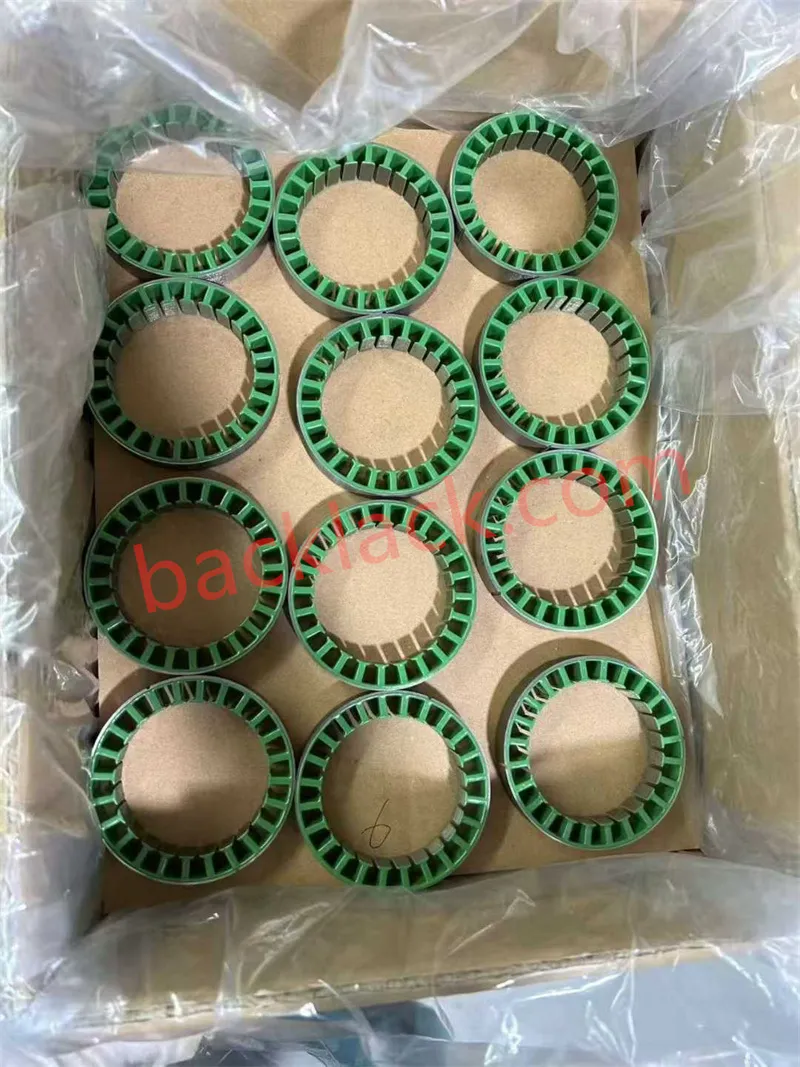
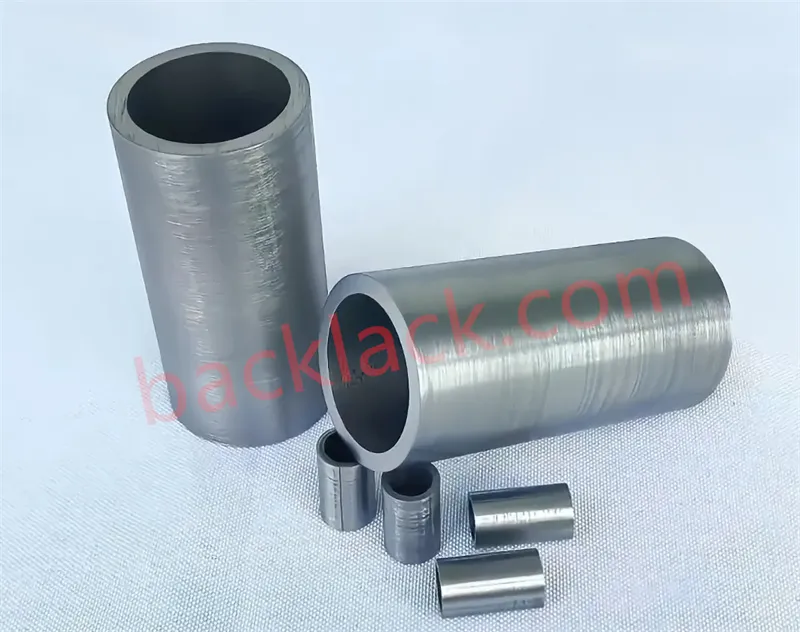
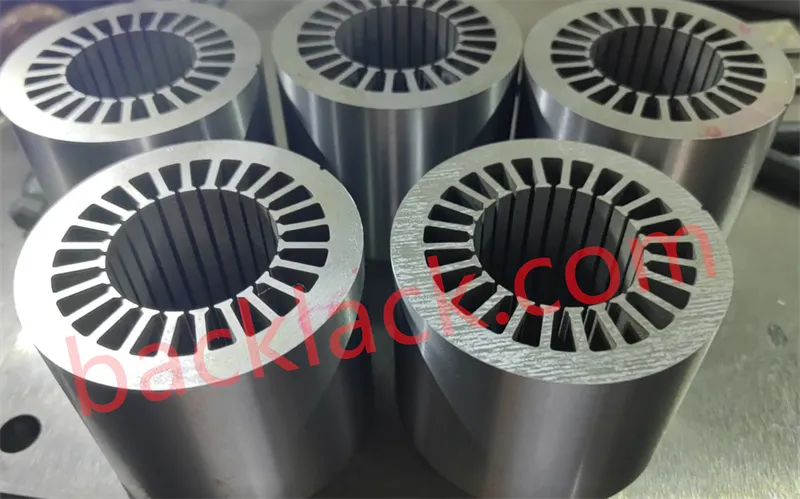
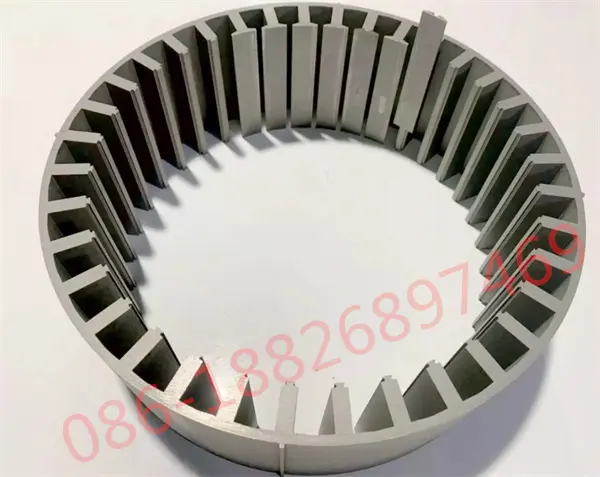
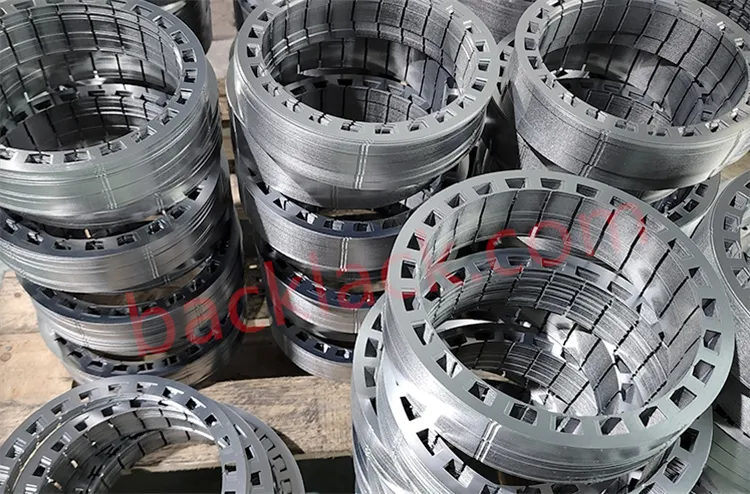
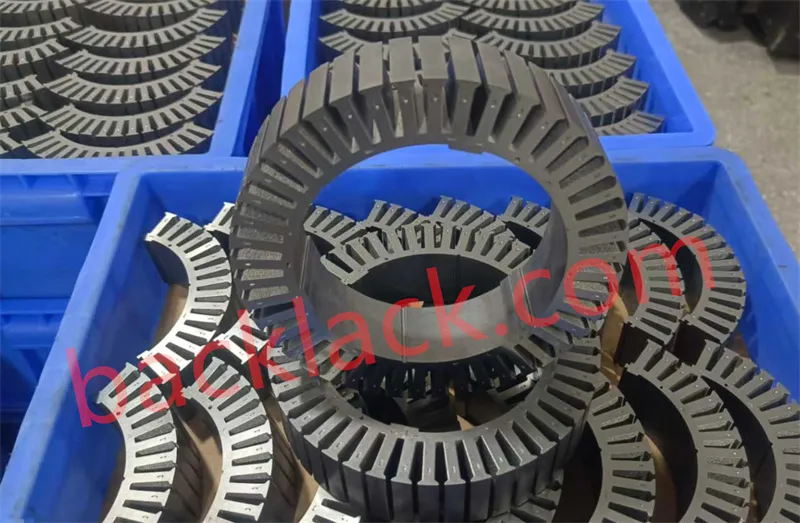
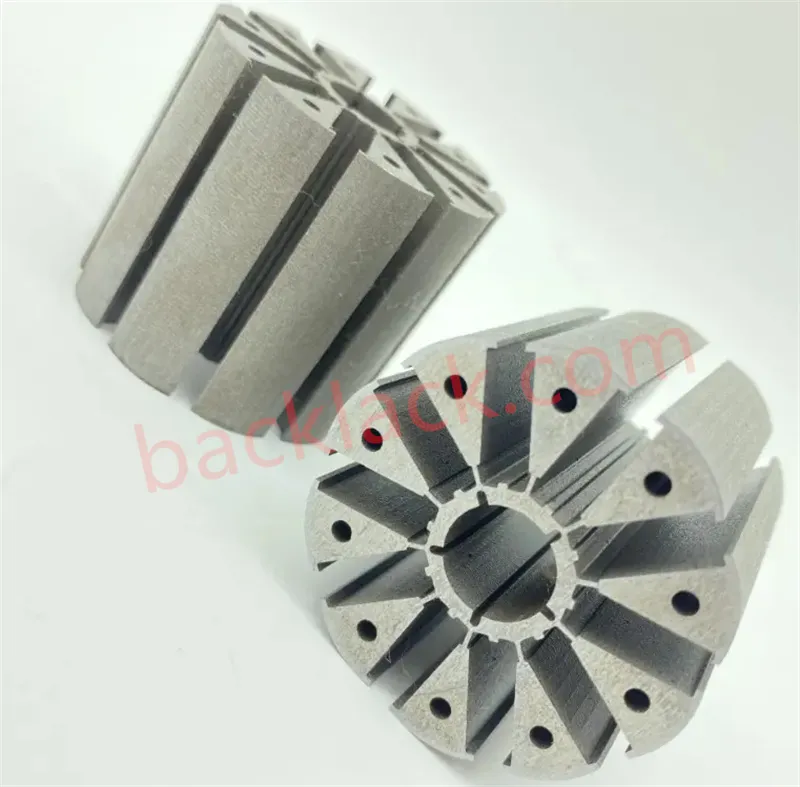
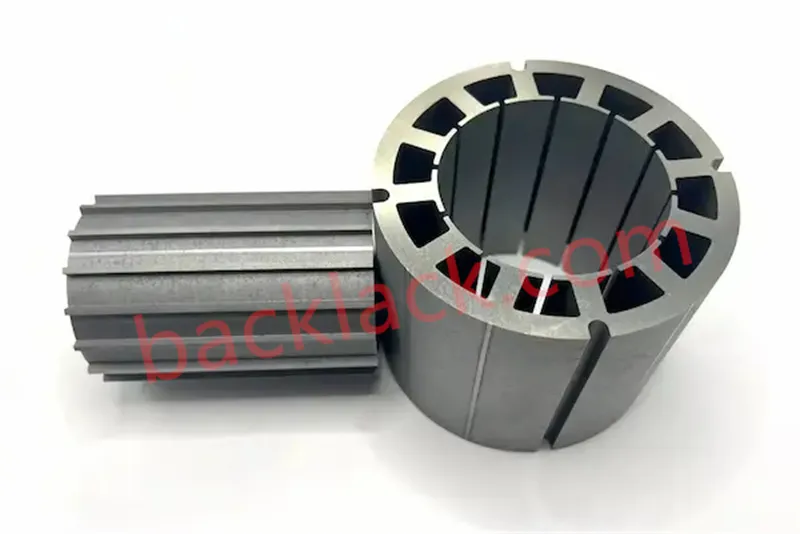
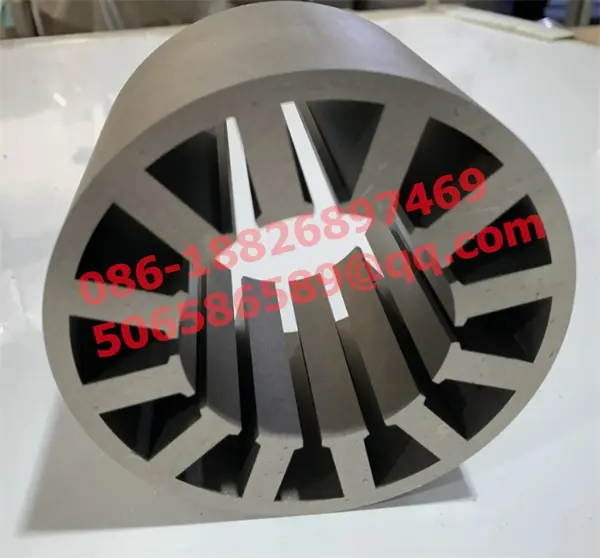
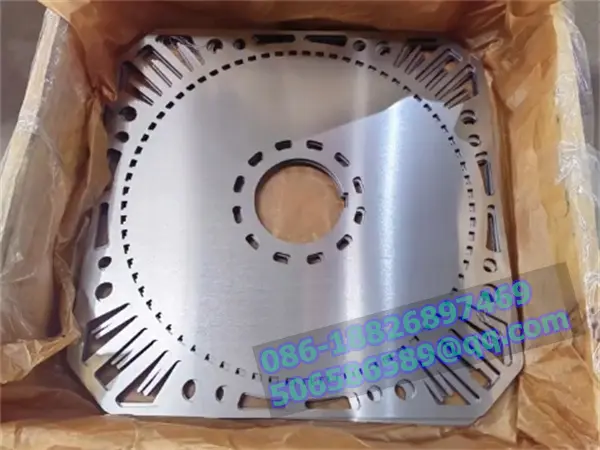
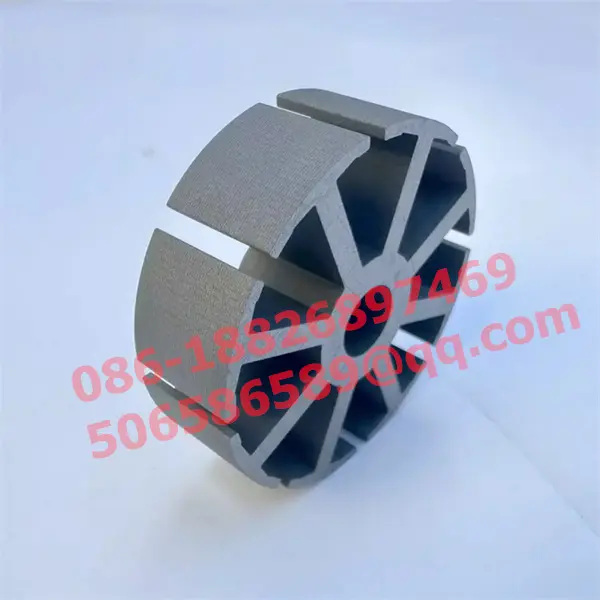
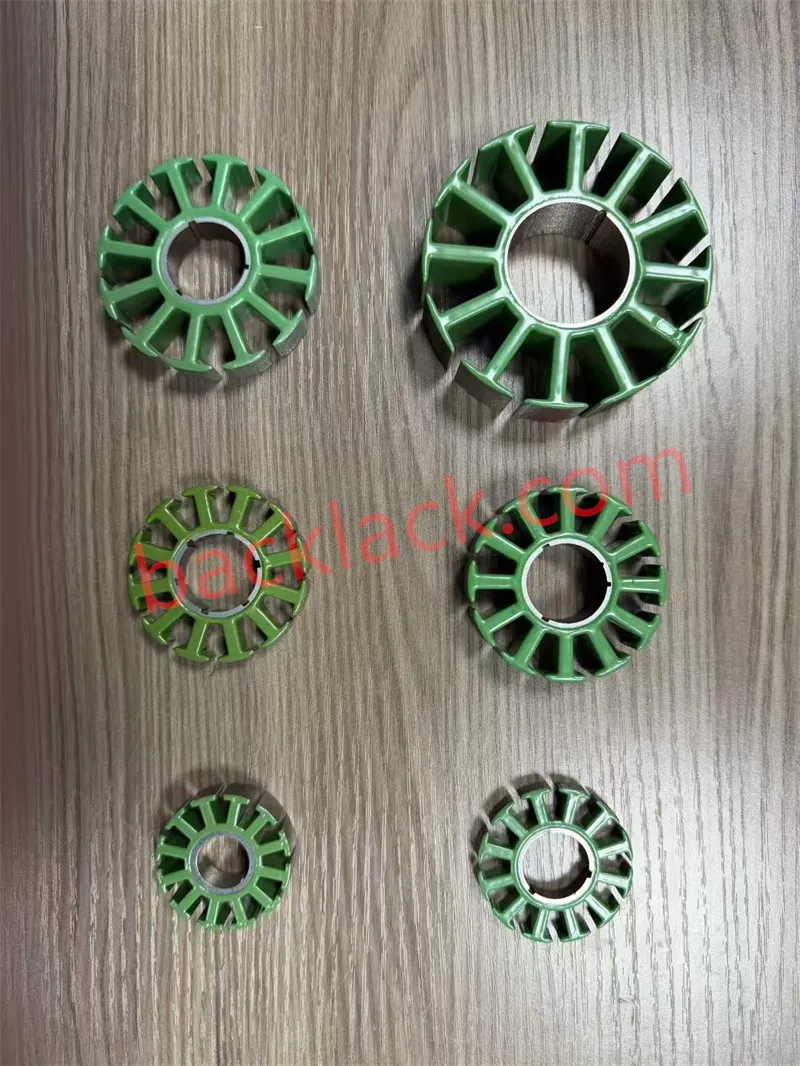
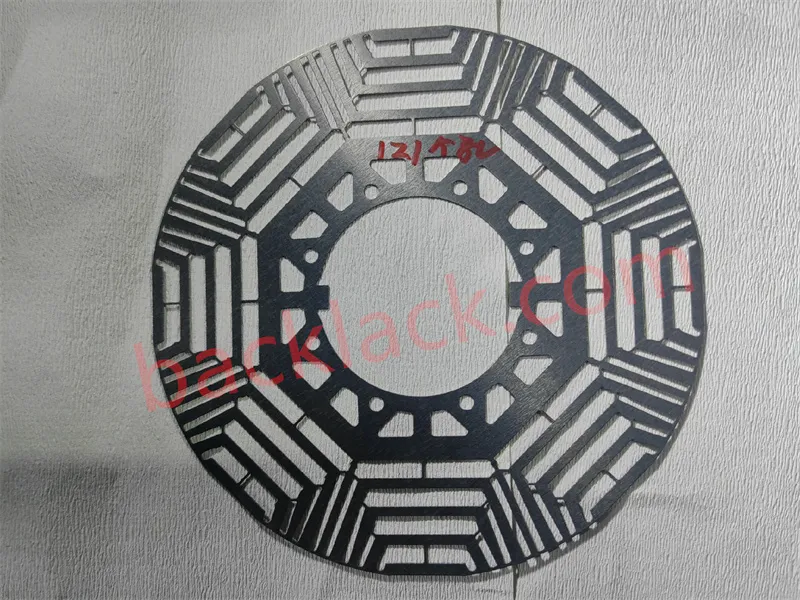
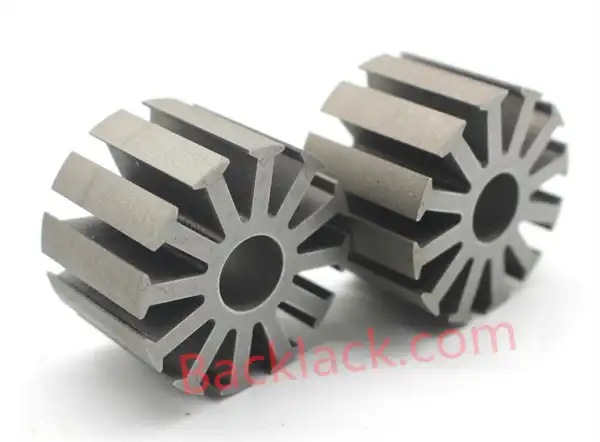
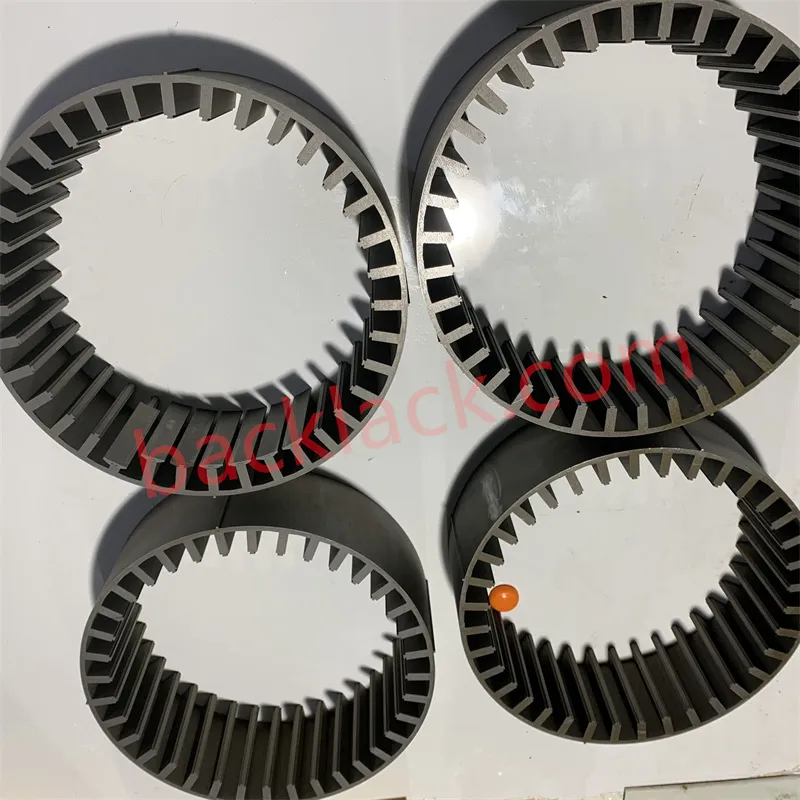
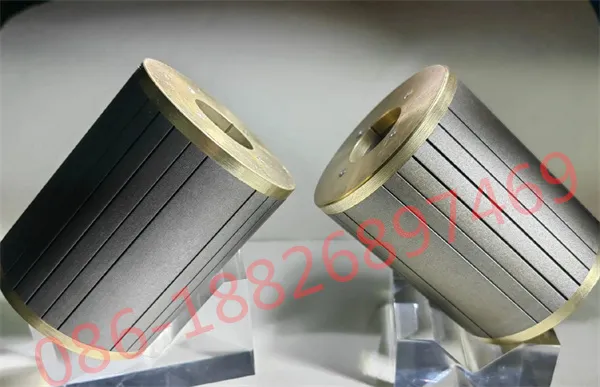
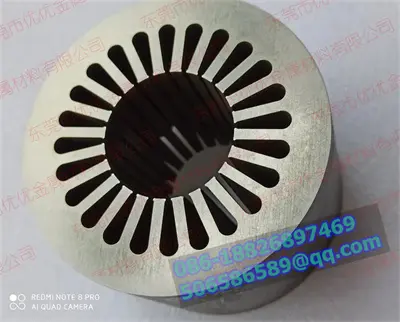
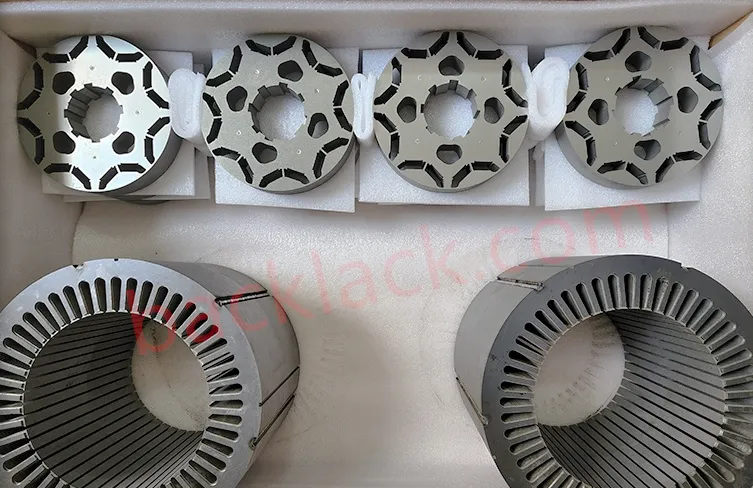
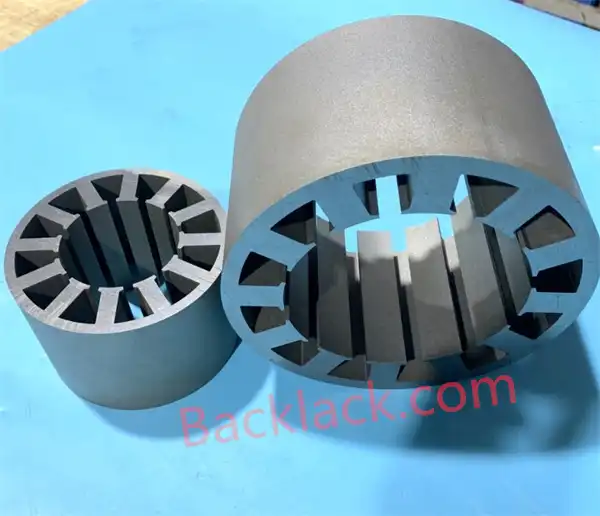
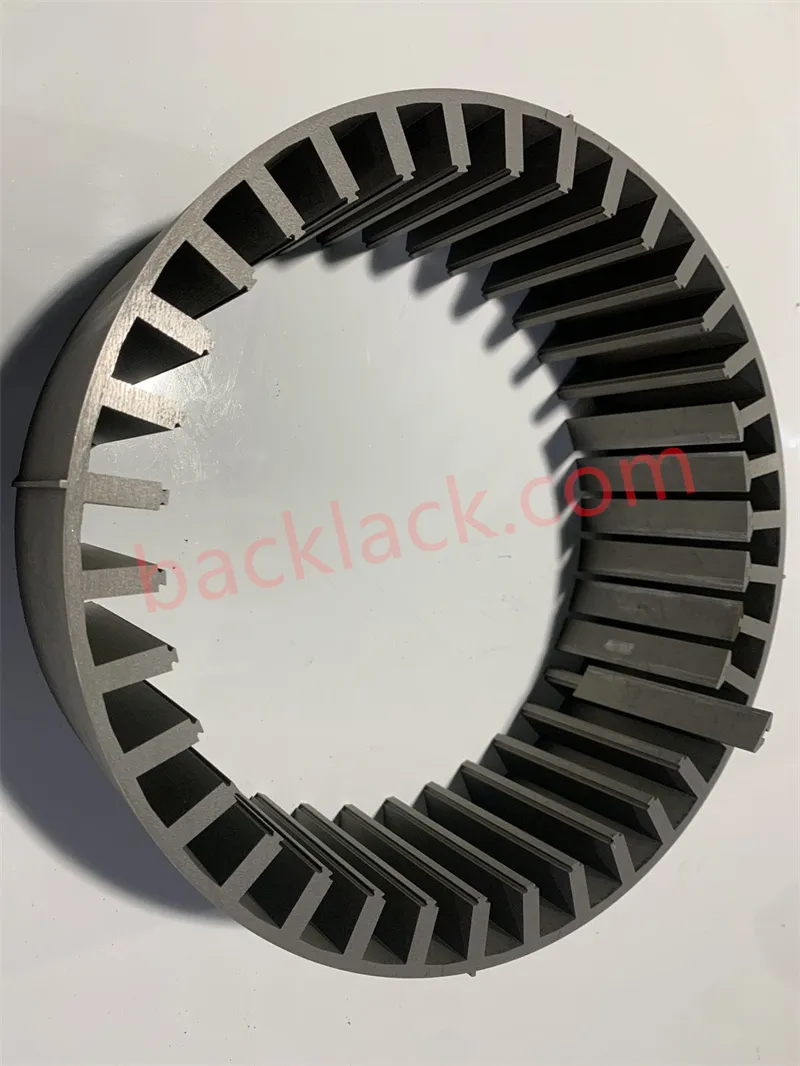
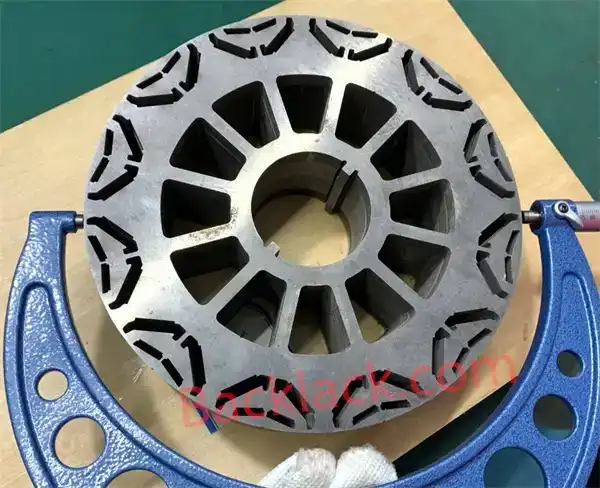
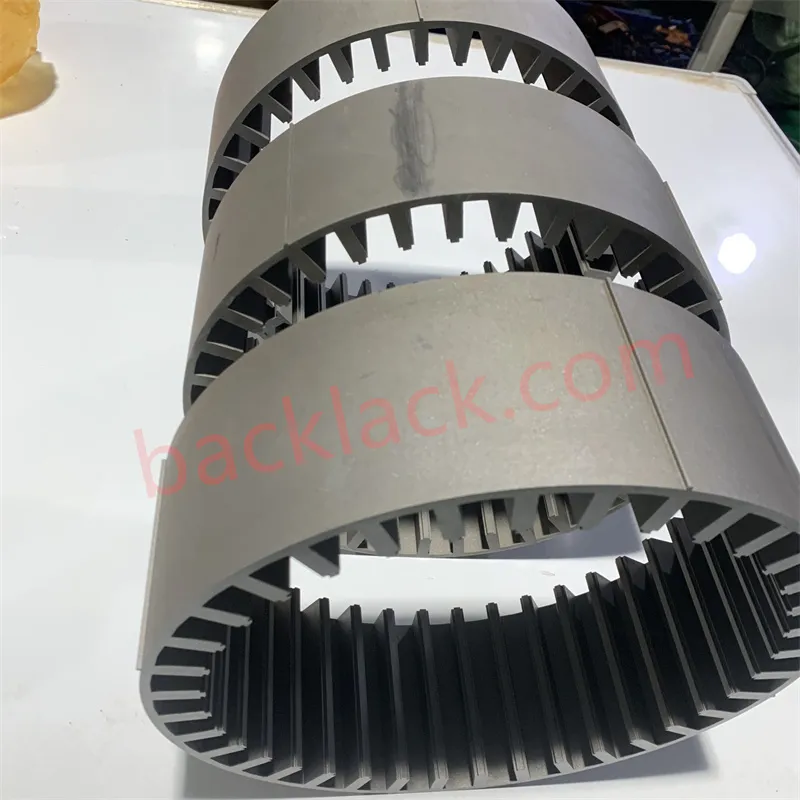
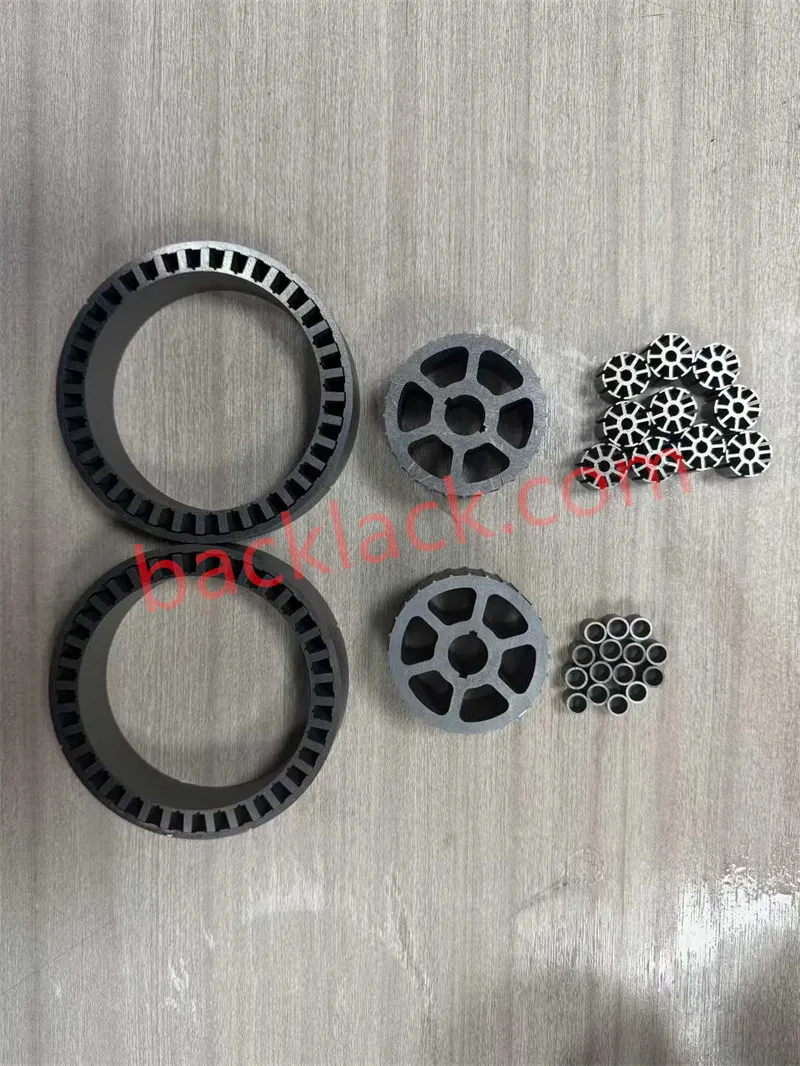
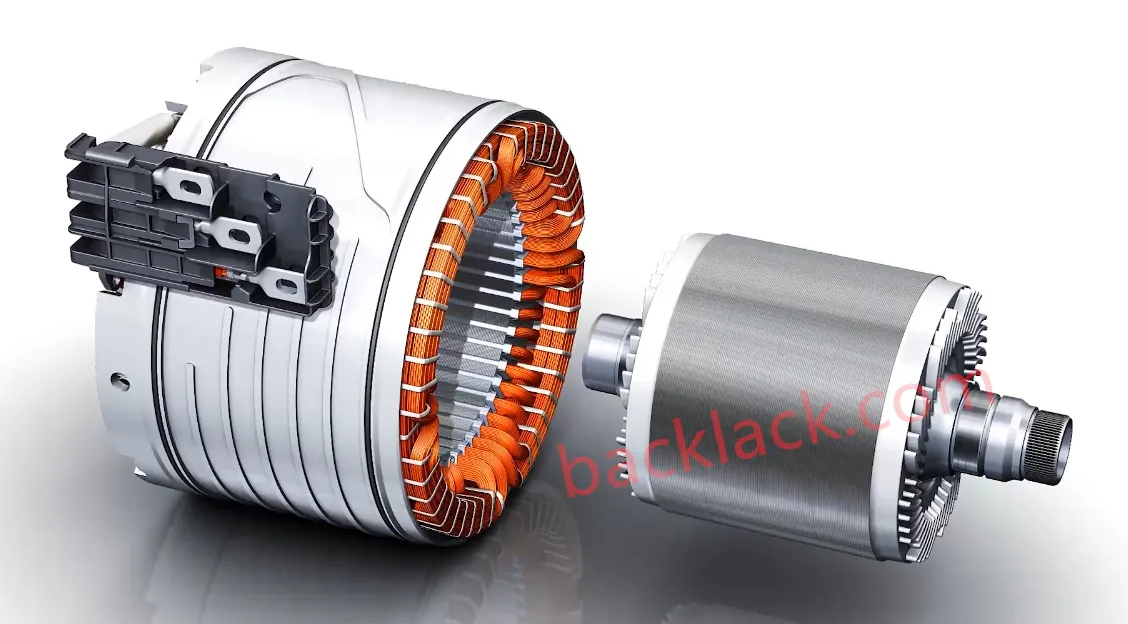
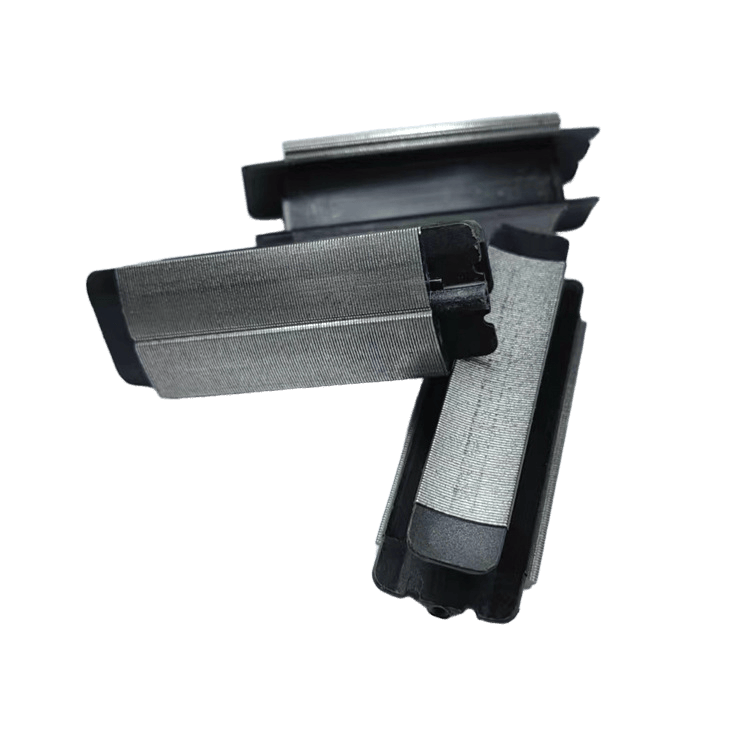
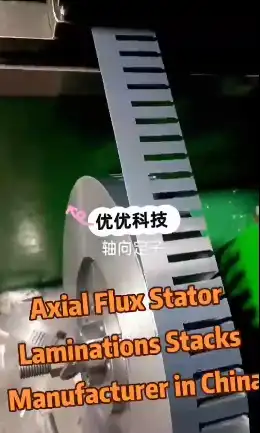
As a professional motor iron core processing factory, we have been deeply engaged in the iron core manufacturing field for many years and fully understand the core value of the iron core as the "magnetic heart" of the motor. Especially in the supercar field, motor performance directly determines the vehicle's acceleration, top speed and handling quality, and the design and manufacturing level of the iron core is the key to breaking through the performance bottleneck of supercar motors. To meet the extreme requirements of supercar motors for high power density, low loss and light weight, our factory has independently developed and implemented a self-bonding iron core solution, which subverts the traditional mechanical fastening mode and achieves an all-round upgrade of iron core performance through polymer coating bonding technology. With the full-chain independent manufacturing capacity, we have become a core supplier of high-end supercar motor iron cores, providing solid support for the performance revolution of supercar motors with sophisticated craftsmanship.
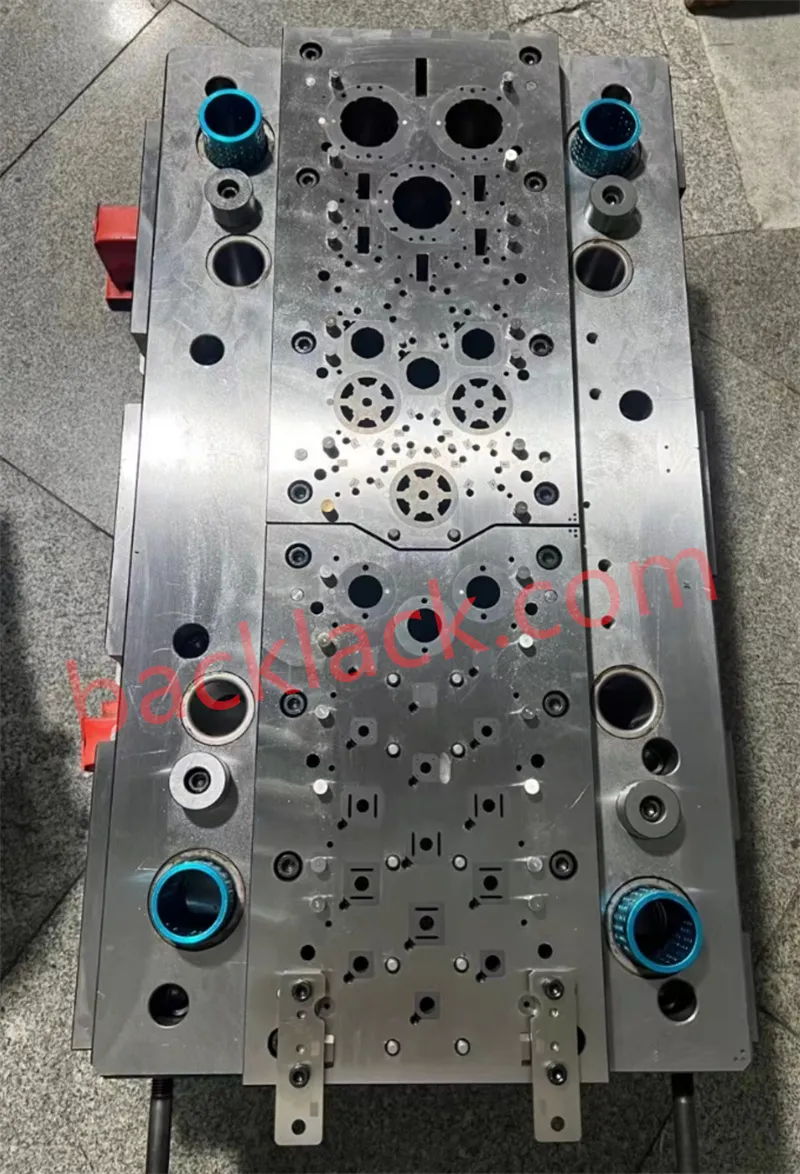
Supercar motors need to maintain low loss and high stability when operating at high speeds above 20000rpm, which puts strict requirements on iron core materials. Our factory abandons the passive limitation of external procurement, achieves dual breakthroughs in substrate localization and coating customization, builds a unique material competitive advantage, ensures the quality and performance of iron cores from the source, and meets the extreme working conditions of supercar motors.
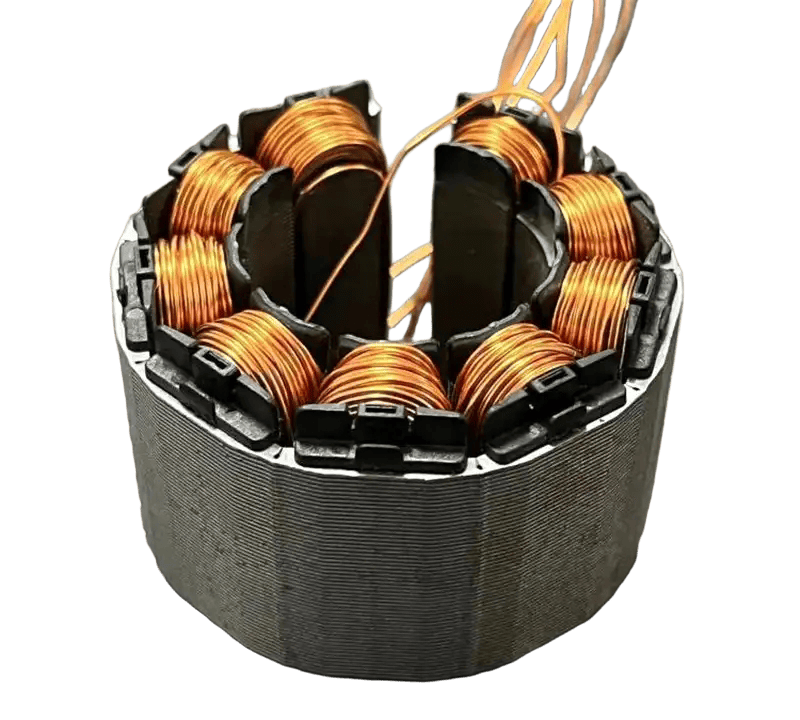
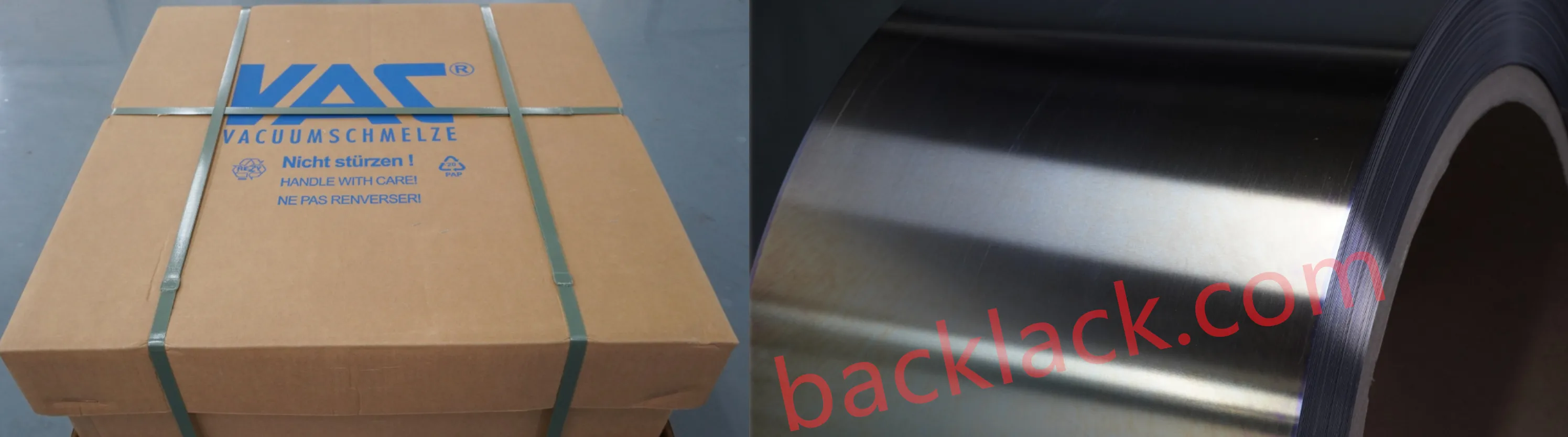
We fully understand that eddy current loss is proportional to the square of the silicon steel sheet thickness. The strict standards for high-frequency loss of supercar motors make ultra-thin silicon steel a core necessity. After years of technological research, our factory has realized the independent production and supply of 0.05-0.1mm ultra-thin silicon steel. Compared with traditional silicon steel sheets of more than 0.2mm, it can limit the eddy current path to a narrower space. Combined with the insulation effect of the coating, it directly reduces eddy current loss by 15%-30%. Relying on independent supply capacity, we can flexibly adjust the magnetic permeability and iron loss parameters of silicon steel sheets according to the customized needs of supercar customers, without being restricted by the specifications of external suppliers, and accurately match the performance requirements of each supercar motor.
When supercar motors output peak power, the iron core temperature often exceeds 200℃. Ordinary coatings are prone to thermal attenuation and bonding failure, which seriously affects motor stability. Our factory has developed a customized self-adhesive coating with a temperature resistance of up to 220℃. By precisely controlling the B-stage reaction degree and curing parameters of the coating, we ensure that the iron core can still maintain sufficient vertical tensile force in high-temperature environments, and the bonding strength is much higher than that of traditional riveted structures. At the same time, the coating has dual characteristics of insulation and thermal conductivity: the uniform film layer of 2-8μm can effectively block inter-sheet circulation, fill the lamination gap to improve axial thermal conductivity, make the iron core temperature rise more uniform, avoid magnetic performance degradation caused by local overheating, and fully adapt to the extreme working environment of supercar motors.

To meet the higher power density requirements of supercar motors, in addition to conventional silicon steel processing, our factory can also provide processing services for self-bonding iron core products of special soft magnetic alloys such as 1J22 and 1J50. Taking 1J22 iron-cobalt alloy as an example, its saturation magnetic flux density can reach 2.4T, which is more than 40% higher than that of ordinary silicon steel. Combined with the high lamination factor of our self-bonding process (more than 97%), it can increase the power density of motors of the same volume by more than 30%, helping supercar motors break through performance limits and achieve stronger power output.

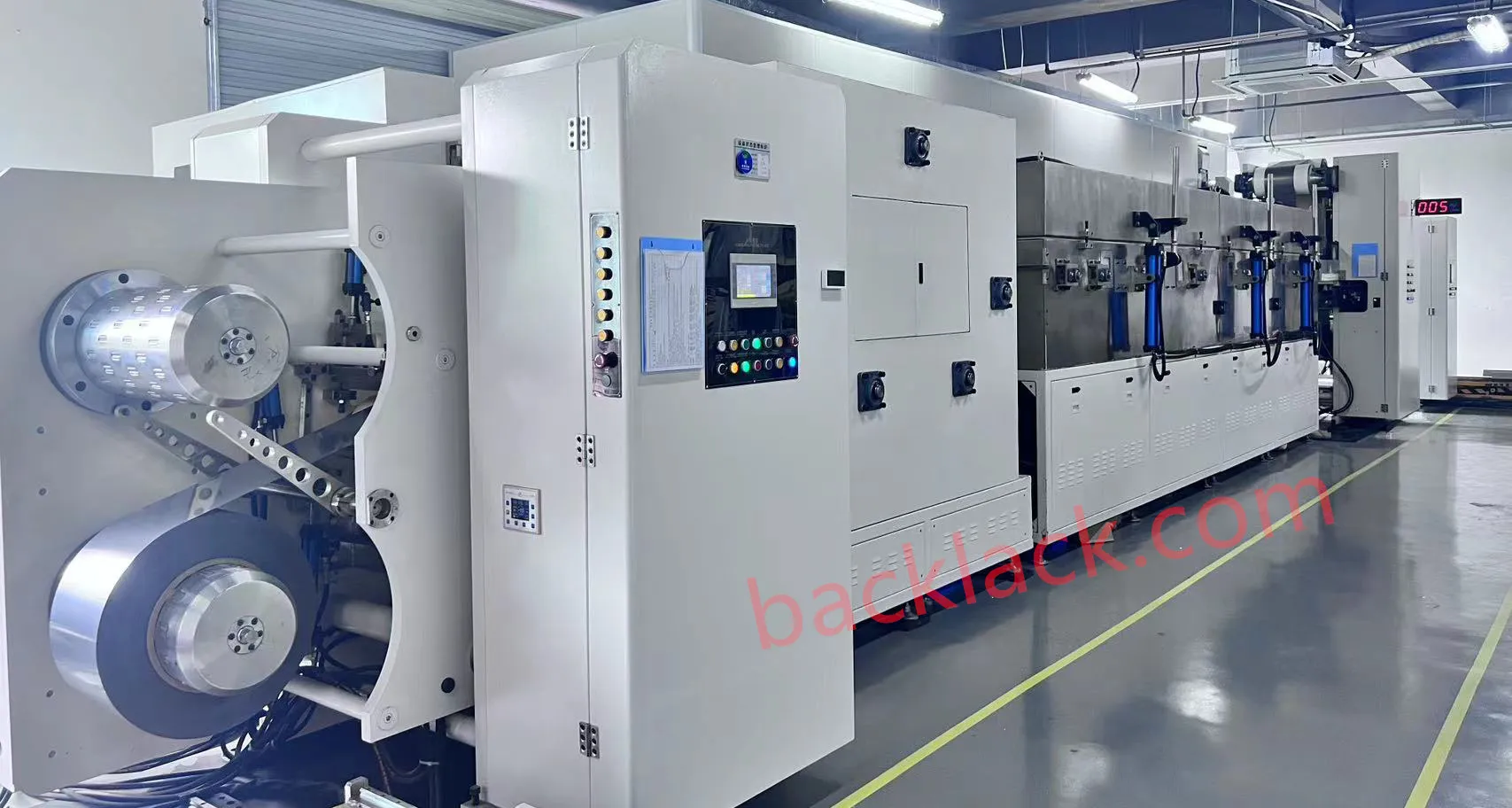
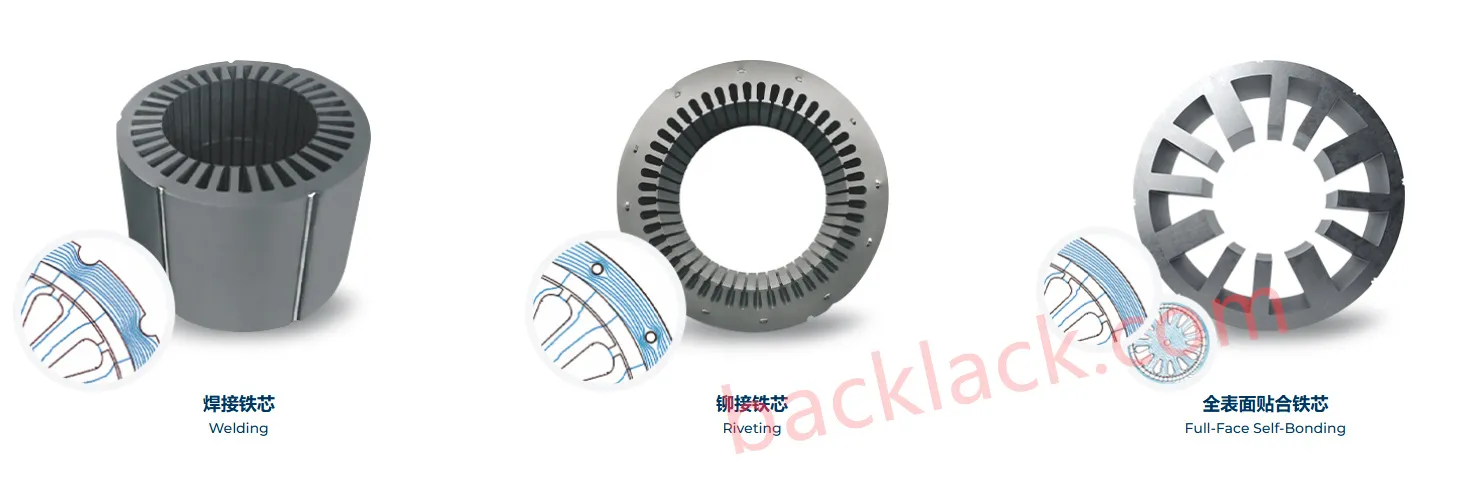
Traditional riveting and welding processes not only damage the insulation layer of silicon steel sheets, but also are difficult to adapt to ultra-thin substrates and complex structures, which cannot meet the high precision and high performance requirements of supercar iron cores. Based on the core advantages of processing and manufacturing, our factory has achieved dual breakthroughs in the performance and production efficiency of self-bonding iron cores through full-chain process innovation, built a standardized, refined and automated production system, and ensured that each product meets the supercar-level quality standards.
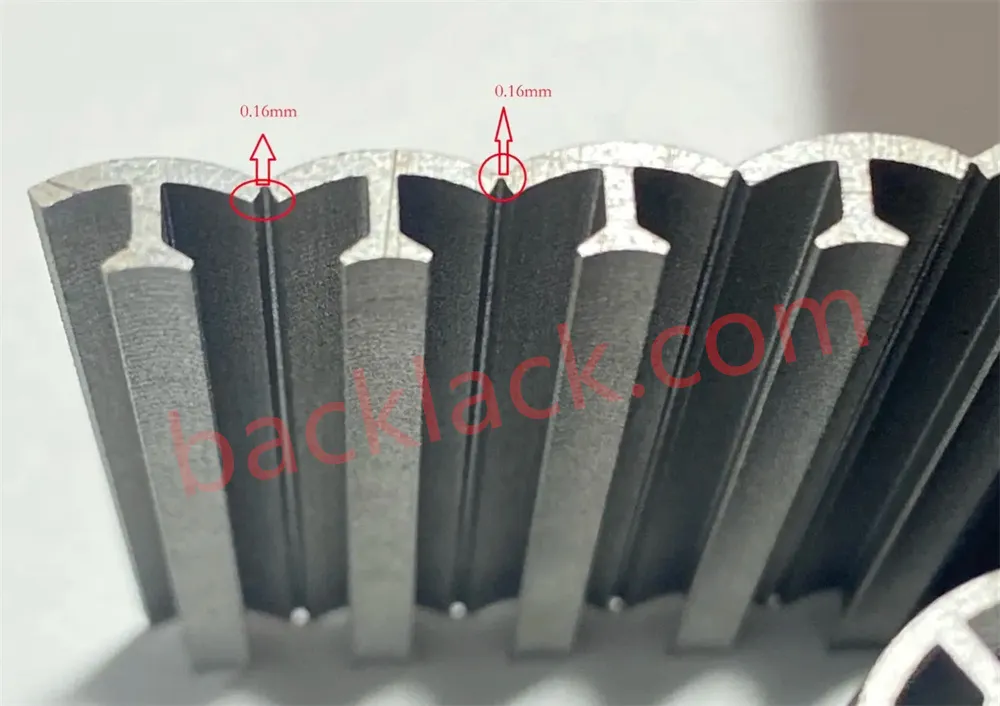
Our factory adopts a fully automated production process of "coating - slitting - punching - integral forming". Through high-temperature and high-pressure curing process, the laminations form a seamless integrated structure, which completely replaces the "point connection" of traditional riveting and welding, and eliminates iron core performance loss from the processing level. Compared with traditional processes, this technology has three core advantages:
Avoid damage to the silicon steel sheet coating by rivets and welding scars, no magnetic circuit distortion caused by mechanical connection points, reducing hysteresis loss by more than 10%.
The bonding strength can reach 2-4N/mm², which is more than 10 times that of traditional welding structures, ensuring no lamination loosening risk when the iron core rotates at a high speed of 20000rpm.
Remove fasteners such as end plates and pressure rings, reduce the iron core weight by 8%-12%, and achieve an overall weight reduction of more than 40% with ultra-thin substrates, directly optimizing the unsprung mass and cruising range of supercars, and conforming to the lightweight development trend of supercars.
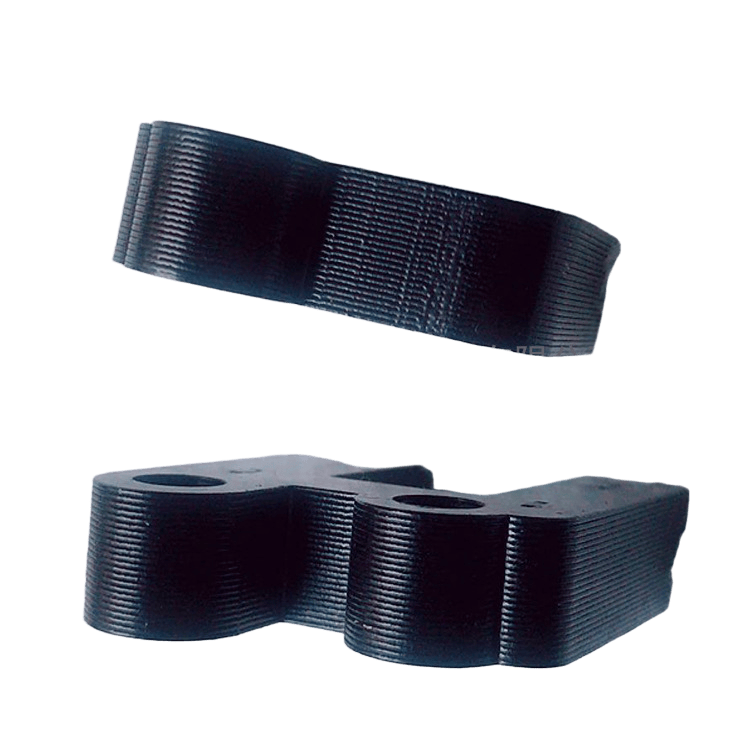
Supercar motors often adopt iron cores with special structures, which have extremely high requirements for the irregularity and refinement of iron cores. Conventional processing equipment is difficult to meet the needs. Our factory has independently developed an integrated forming and curing equipment for self-adhesive iron cores, equipped with replaceable tooling molds and precise pressure-temperature control modules, realizing the customized production of small iron cores below 10mm to large irregular iron cores of 600mm. It can flexibly adapt to the motor layout needs of different supercar models, solve the pain points of poor adaptability and insufficient precision of traditional processing equipment, and ensure that each irregular iron core meets the design standards.
We fully understand that the high temperature of traditional welding and the mechanical force of riveting will cause plastic deformation of silicon steel sheets, resulting in magnetic performance degradation and affecting the energy efficiency of supercar motors. To this end, our self-bonding process avoids high-temperature welding and mechanical stamping stress throughout the process. Through the toughness buffer of the semi-cured coating and uniform pressure curing, the original magnetic performance of the silicon steel sheet is maximally retained. Test data shows that the performance degradation rate of the self-bonding iron core produced by our factory due to processing is less than 5%, while the degradation rate of traditional processes often exceeds 15%, which effectively ensures the extreme energy efficiency of supercar motors and provides core support for the "second-level acceleration" of supercars.
The extreme pursuit of "acceleration burst, handling stability and operation quietness" by supercars is highly consistent with the performance advantages of our self-bonding iron cores. As a professional processing factory, we have always been customer-oriented, accurately matching the core needs of supercar motors, and providing a full range of iron core solutions for the supercar field with customized processing capabilities and stable product quality.

The 100km acceleration of supercars often needs to break through 2.0 seconds, relying on the instantaneous output of kilonewton-meter torque by the motor, and power density is the core constraint factor. Through the combined processing scheme of "ultra-thin substrate + high lamination factor + special alloy", our factory can increase the motor power density by more than 35%, effectively supporting the instantaneous power output of supercar motors, helping supercars achieve extreme acceleration performance, and highlighting our factory's technical strength in the field of iron core processing.
Magnetostriction and lamination loosening are the main sources of motor noise, and supercars have extremely high requirements for cockpit quietness. The full-surface bonding structure of our self-bonding iron core completely eliminates inter-layer gaps, reducing vibration caused by magnetostriction by more than 22% and magnetostriction noise by 10dB. Test results show that the motor noise of supercar motors equipped with our self-bonding iron cores is less than 55 decibels at a speed of 120km/h. Combined with the vehicle acoustic package design, it achieves a "balance between performance and quietness" and meets the high-end riding needs of supercars.

Modern supercars mostly adopt distributed drive architecture, and the motor layout is strictly limited by the chassis space, which has extremely high requirements for the irregular and modular design of iron cores. Our self-bonding solution does not need to consider the symmetrical arrangement of rivets, and can flexibly realize irregular and modular iron core design. At the same time, relying on the fully automated production line, it realizes the rapid response of small-batch customized orders, accurately meets the needs of supercars for "limited production and personalized configuration", and provides flexible and efficient processing services for supercar manufacturers.

Core advantages of our factory's self-bonding iron core solution: Through the systematic coordination of "material localization + process customization + scene adaptation", it breaks through the performance bottleneck of supercar motor iron cores. With full-chain independent processing capabilities and strict quality control, it has become a core supplier of high-end supercar motor iron cores.
As a factory focusing on motor iron core processing, we have always adhered to technological innovation and quality first. Our factory's self-bonding iron core solution is not a breakthrough in a single technology, but a systematic project of "material localization + process customization + scene adaptation". Through the independent R&D of 0.05mm/0.1mm(10JNEX900 Supercore silicon) ultra-thin silicon steel and high-temperature resistant coatings, we solve the problems of high-frequency loss and high-temperature stability of supercar motors; through full-surface bonding and automated equipment, we achieve dual improvements in iron core structural strength and design freedom; finally, through NVH optimization and customized response, we accurately match the extreme demands of supercars for "performance, handling and quietness".
Relying on full-chain independent processing capabilities, strict quality control system and rapid customized response capabilities, our factory has become a core supplier of supercar motor iron cores, using professional processing strength to help supercar motors break through performance boundaries and provide solid iron core manufacturing support for the performance revolution in the supercar field. In the future, we will continue to deepen technological R&D, optimize processing processes, and empower the high-quality development of the supercar motor industry with better products and more efficient services.
We support VAC VACODUR 49, 1J50, Alloy 49, and Permenorm 5000 specifications.
We provide empirical B-H curve data from our post-annealed samples to assist in your electromagnetic simulations.
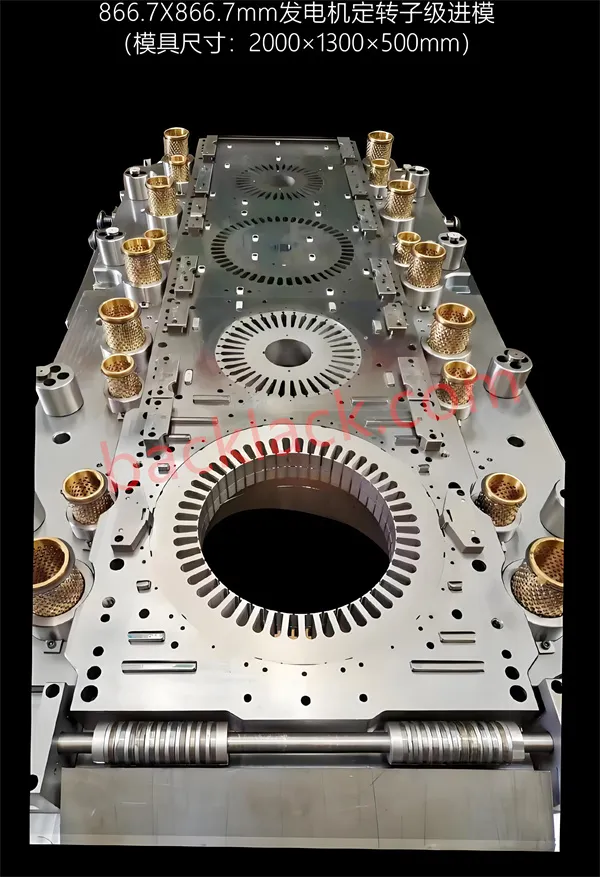
From rapid wire-cut prototypes to million-unit high-speed stamping runs.
A 0.1MM/0.2MM core is more than a mechanical component; it is the engine of efficiency. We understand every micron and every degree of temperature that influences your motor's performance.
Contact our engineering team today to power your next-generation motor project.
With decades of experience in precision motor core manufacturing, we specialize in custom stator and rotor laminations for the most demanding applications. Our capabilities include:
As an stator and rotor lamination bonding stack manufacturer in China, we strictly inspect the raw materials used to make the laminations.
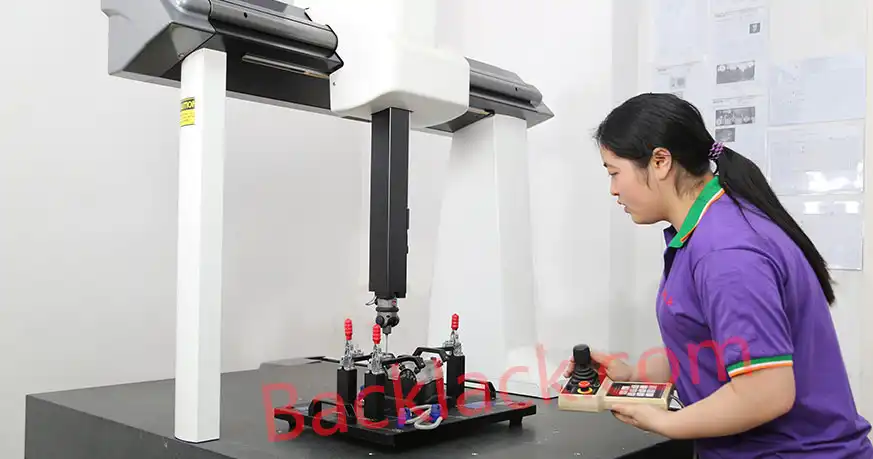
Technicians use measuring tools such as calipers, micrometers, and meters to verify the dimensions of the laminated stack.
Visual inspections are performed to detect any surface defects, scratches, dents, or other imperfections that may affect the performance or appearance of the laminated stack.
Because disc motor lamination stacks are usually made of magnetic materials such as steel, it is critical to test magnetic properties such as permeability, coercivity, and saturation magnetization.
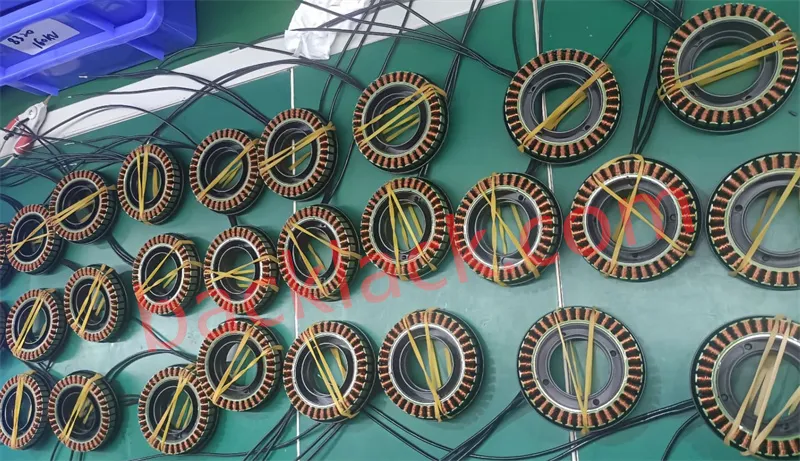
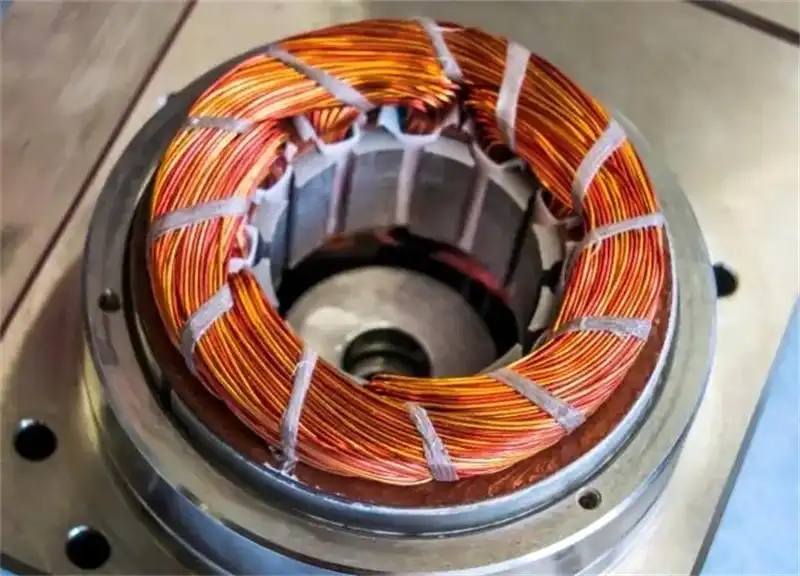
The stator winding is a fundamental component of the electric motor and plays a key role in the conversion of electrical energy into mechanical energy. Essentially, it consists of coils that, when energized, create a rotating magnetic field that drives the motor. The precision and quality of the stator winding directly affects the efficiency, torque, and overall performance of the motor.
We offer a comprehensive range of stator winding services to meet a wide range of motor types and applications. Whether you are looking for a solution for a small project or a large industrial motor, our expertise guarantees optimal performance and lifespan.
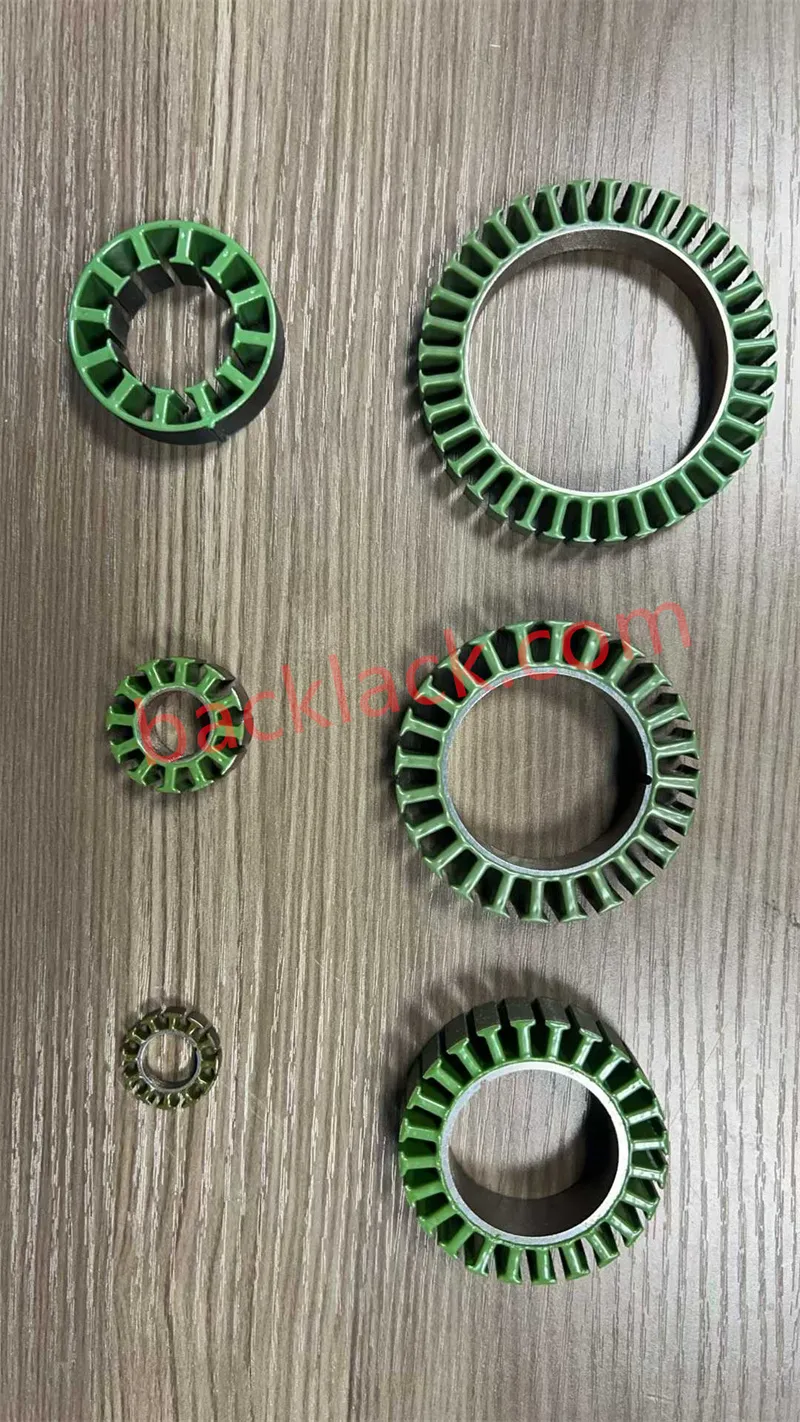
Epoxy powder coating technology involves applying a dry powder which then cures under heat to form a solid protective layer. It ensures that the motor core has greater resistance to corrosion, wear and environmental factors. In addition to protection, epoxy powder coating also improves the thermal efficiency of the motor, ensuring optimal heat dissipation during operation.
We have mastered this technology to provide top-notch epoxy powder coating services for motor cores. Our state-of-the-art equipment, combined with the expertise of our team, ensures a perfect application, improving the life and performance of the motor.
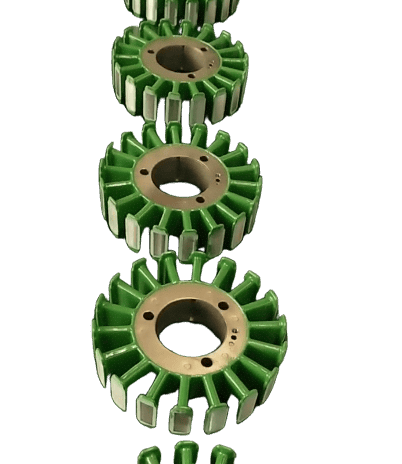
Injection molding insulation for motor stators is a specialized process used to create an insulation layer to protect the stator's windings.
This technology involves injecting a thermosetting resin or thermoplastic material into a mold cavity, which is then cured or cooled to form a solid insulation layer.
The injection molding process allows for precise and uniform control of the thickness of the insulation layer, guaranteeing optimal electrical insulation performance. The insulation layer prevents electrical short circuits, reduces energy losses, and improves the overall performance and reliability of the motor stator.
In motor applications in harsh environments, the laminations of the stator core are susceptible to rust. To combat this problem, electrophoretic deposition coating is essential. This process applies a protective layer with a thickness of 0.01mm to 0.025mm to the laminate.
Leverage our expertise in stator corrosion protection to add the best rust protection to your design.
Yes, manufacturing self-bonding iron cores typically involves specialized processes and equipment to ensure precise bonding between laminations.
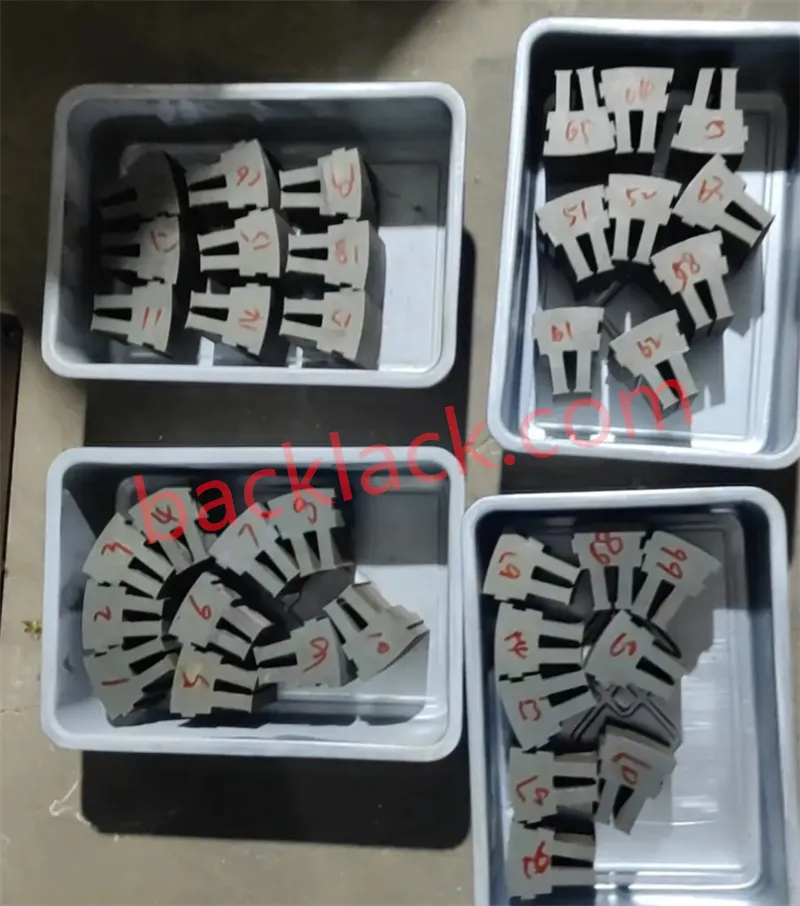
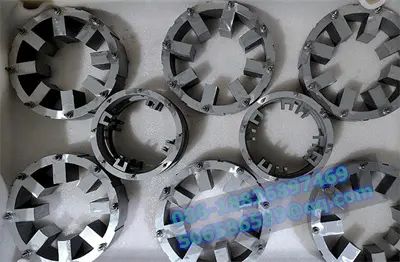
Yes, bonding laminations can be used for segmented stators, providing precise bonding between individual segments to create a unified stator assembly.
Self-bonding cores are versatile and can be used in various types of electric motors. Such as pump motors, drone motors, rail transportation linear motors, permanent magnet synchronous elevator motors, fans motors, robotic motors, and new energy vehicle motors, including those wheel motors.
Glue dot bonding involves applying small adhesive dots to laminations, which then bond together under pressure and heat. This method provides precise and uniform bonding, ensuring optimal motor performance.
Laminated motor cores are used in electric motors, transformers, and generators, where they enhance efficiency and reduce energy losses. The application area includes new energy vehicles, drones, robotics, renewable energy, and transportation.
Self-bonding involves integrating adhesive materials into the laminations themselves, enabling bonding to occur during the manufacturing process without the need for additional adhesives. This results in a seamless and durable bond.
Lamination stacking is crucial for reducing iron core losses(eddy current loss and hysteresis loss), improving motor efficiency, and ensuring the structural integrity of the core.
Looking for a reliable stator and rotor lamination Self-adhesive Cores stack Manufacturer from China? Look no further! Contact us today for cutting-edge solutions and quality stator laminations that meet your specifications.
Contact our technical team now to obtain the self-adhesive silicon steel lamination proofing solution and start your journey of high-efficiency motor innovation!
Get Started NowRecommended For You